
Cincinnati Open: $135M Taxpayer Funding – Is It Worth It?
The Cincinnati Open and the Future of a Public Sports Complex
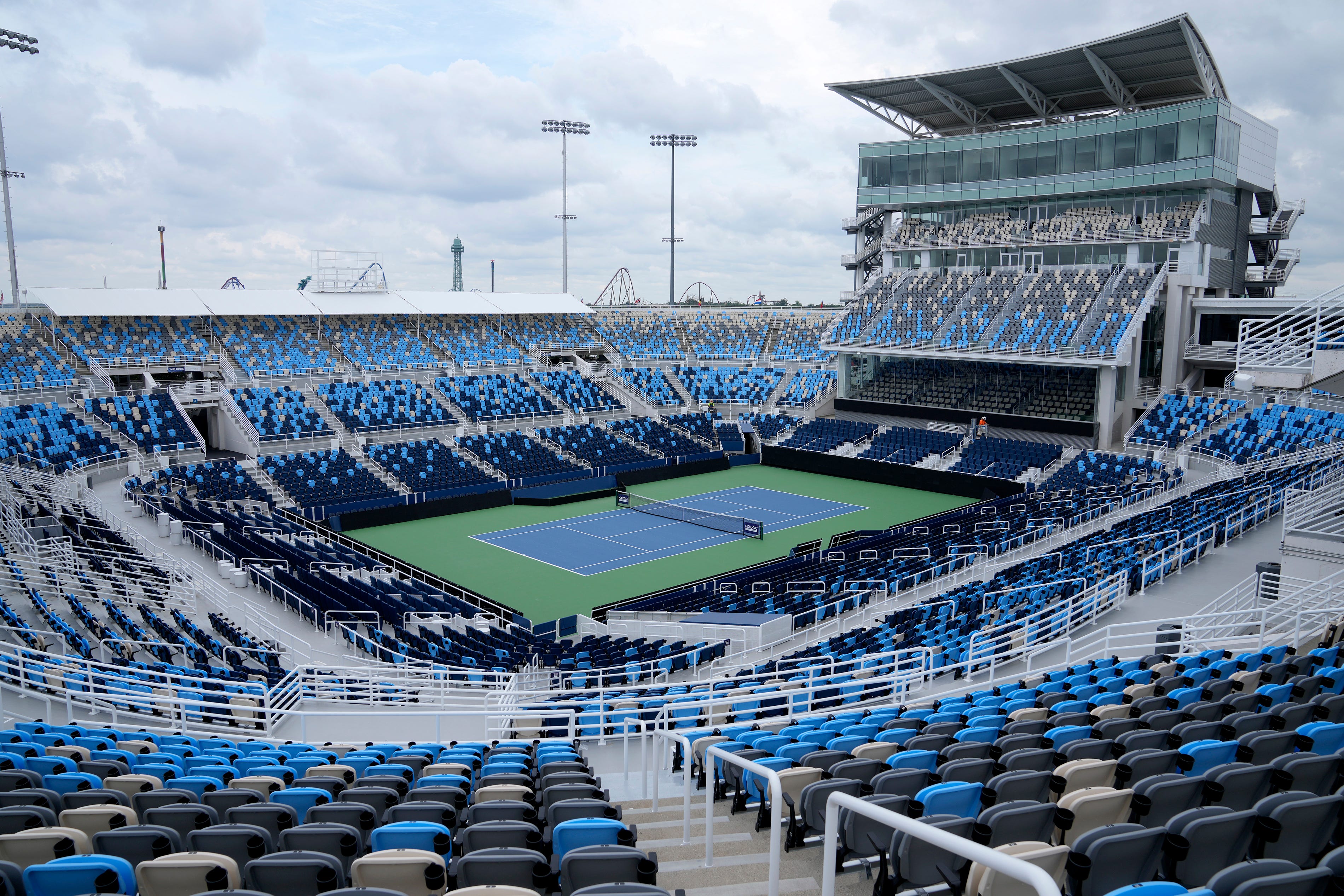
Thousands are expected to gather in Mason, Ohio, next week for the Cincinnati Open tennis tournament. This event, which has been held in the area since 1979, is set to benefit from a major transformation thanks to a $260 million campus renovation. A significant portion of this project is funded by government sources, with taxpayers contributing approximately $135 million.
The city of Mason is playing a key role in the deal. The city council agreed to spend $15 million to purchase the tournament site from its current owner, Tennis for Charity. This move is part of a broader effort to ensure the tournament remains in Mason, as the city already owns an adjacent golf course. Officials have been working closely with the nonprofit organization to finalize the sale, which is expected to be completed before the tournament starts on August 11.
The Warren County Port Authority will own the tennis complex, which is located across Interstate 71 from popular attractions like Kings Island and Great Wolf Lodge Water Park. Beemok, a company involved in the management of the venue, plans to transform the Lindner Family Tennis Center into a year-round sports and entertainment destination. This includes indoor facilities that will support events beyond just the two-week Cincinnati Open, which is expanding to a longer schedule in 2025.
Public access to the facility will include tennis, pickleball, and padel courts for membership-based adult and youth programs. Additionally, Beemok plans to host concerts, events, and other sports tournaments at the venue. Warren County Commissioner Dave Young emphasized the long-term vision for the space, stating that it should host around 100 different events annually.
Public Investment and Financial Breakdown
The decision to keep the tournament in Mason came after concerns that it might move to Charlotte, North Carolina. A proposal there included a $130 million contribution from North Carolina taxpayers toward a $400 million tennis complex. However, local leaders in Warren County, Mason, and Ohio worked together to secure the event for the region.
Ohio state Rep. Adam Mathews played a crucial role in securing funding through two state bills, which contributed $50 million to the project. Warren County provided $45 million, while Mason added $25 million, plus an additional $15 million to buy the land. No local taxes were increased to fund the deal, and the total taxpayer cost was slightly lower than initially anticipated—$135 million.
Warren County expects a return on investment within 10 years, with Beemok committing to keeping the tournament in Mason for 25 years. Any leftover funds from the renovation will go toward a maintenance fund, while Beemok will cover any additional costs.
Economic Impact and Tourism Growth
Tourism is a major driver of Warren County’s economy, supported by events like the Cincinnati Open and attractions such as Kings Island. Sales tax revenue, much of which comes from non-residents, plays a vital role in funding county services. County leaders aim to maintain and grow this industry over the next 25 years.
A 2023 study by the University of Cincinnati Economics Center projected that the extended tournament could generate around $56 million in direct spending from non-local attendees. The total economic impact is estimated at $150 million. Property values and taxes are also expected to rise in Warren County, similar to trends in neighboring counties.
Despite losing nearly $400,000 annually in property taxes due to the government-owned complex, officials believe the sales tax generated by the venue will help keep property taxes low. There is even the possibility of another property tax holiday, like the one offered in 2022.
This investment in the Cincinnati Open and the surrounding sports complex represents a significant step toward ensuring the region remains a hub for sports, entertainment, and tourism. With careful planning and collaboration, the future looks bright for both the tournament and the community it serves.

Posting Komentar untuk "Cincinnati Open: $135M Taxpayer Funding – Is It Worth It?"
Posting Komentar