
CEO Hosts Monthly Dinner with CTOs on AI's Job Impact
The Changing Landscape of Software Engineering
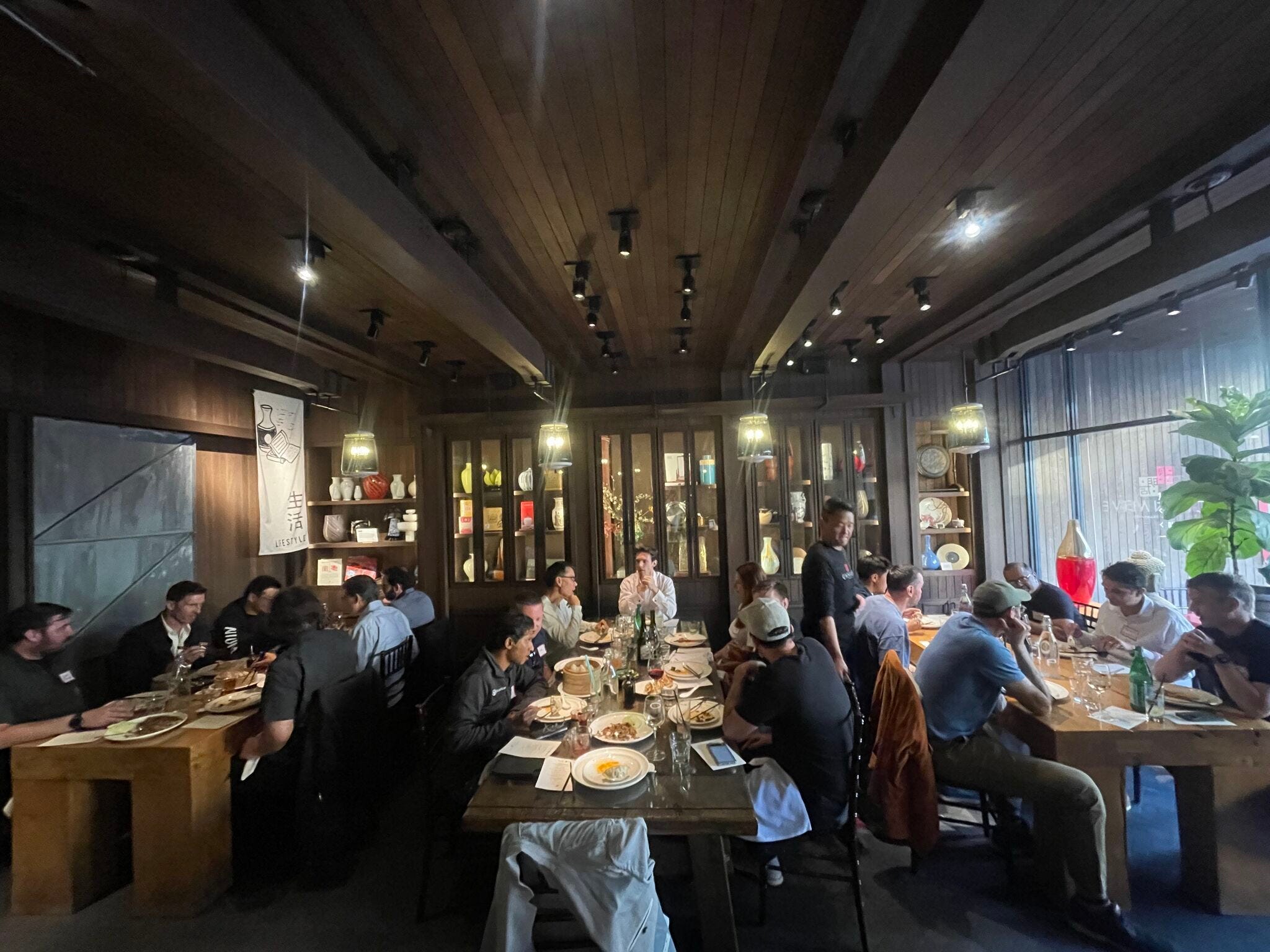
Dylan Serota, CEO of Terminal, a talent platform for software engineers and developers, has been hosting monthly dinner parties with chief technology officers (CTOs) to discuss the evolving role of artificial intelligence (AI) in the tech industry. These gatherings have become a space for CTOs to explore how AI is reshaping their teams and the future of engineering roles.
Serota emphasizes that while some companies have slowed hiring for software developers, others have accelerated their recruitment efforts. He believes that the job of a software engineer is not being replaced but rather transformed. "There's job evolution, not necessarily job replacement," he said. This sentiment is echoed by many of his dinner party guests, who do not believe AI will eliminate software engineering jobs.
Despite the growing capabilities of AI coding tools, Serota maintains that the demand for skilled engineers remains strong. His guests are optimistic about the potential of these tools to boost productivity, even if they lead to lower costs for certain tasks. However, this shift is expected to drive tech companies to invest more in engineering talent rather than reduce it.
"Being able to increase the corpus of data and software, you actually will continue to invest in more software engineers to do things," Serota explained. From his perspective, the focus is shifting from specific language or domain expertise to broader engineering fundamentals.
Shift in Hiring Trends
Serota noted that the type of engineers companies are looking for is changing. Previously, requests were often for specialists like Python developers. Now, there's a greater emphasis on general engineering skills and problem-solving abilities. Companies are less interested in who can "write code" and more interested in who can "think like an engineer."
This change reflects a broader trend in the industry, where the ability to adapt and understand complex systems is becoming more valuable than technical proficiency in a single programming language. As AI continues to handle routine coding tasks, the need for engineers who can manage and optimize these tools is increasing.
Balancing Optimism and Caution
While many CTOs are optimistic about AI's impact, there are also concerns about its long-term effects. Some companies are cautious about adopting AI coding tools due to potential productivity losses among experienced engineers. A recent study highlighted that the use of code editors could lead to decreased efficiency in certain cases.
Additionally, security concerns remain a challenge for some organizations. Companies handling sensitive information worry that integrating AI tools could expose their data to vulnerabilities. As a result, some organizations restrict junior engineers from using these tools, fearing over-reliance on AI.
Serota acknowledges that these concerns are relatively small in number but still notable. "Those concerns are smaller in number, because people are so excited about what you can do, but those things surprise me," he said.
The Future of Software Engineering
From Serota’s perspective, software engineers should not be alarmed by the rise of AI. "The demand for engineers is increasing, not decreasing," he emphasized. While the role of engineers is evolving, the overall demand for their skills remains strong.
As AI continues to reshape the industry, the key takeaway is that the future of software engineering lies in adaptation and continuous learning. Engineers who can embrace new technologies and work alongside AI tools will likely find themselves in high demand.
The conversation around AI and its impact on jobs is ongoing, and while there are uncertainties, the consensus among many industry leaders is that the role of engineers is far from being replaced. Instead, it is being redefined, offering new opportunities for growth and innovation.

Posting Komentar untuk "CEO Hosts Monthly Dinner with CTOs on AI's Job Impact"
Posting Komentar