
Early Trial Results: Healthy Lifestyle Slows Cognitive Decline
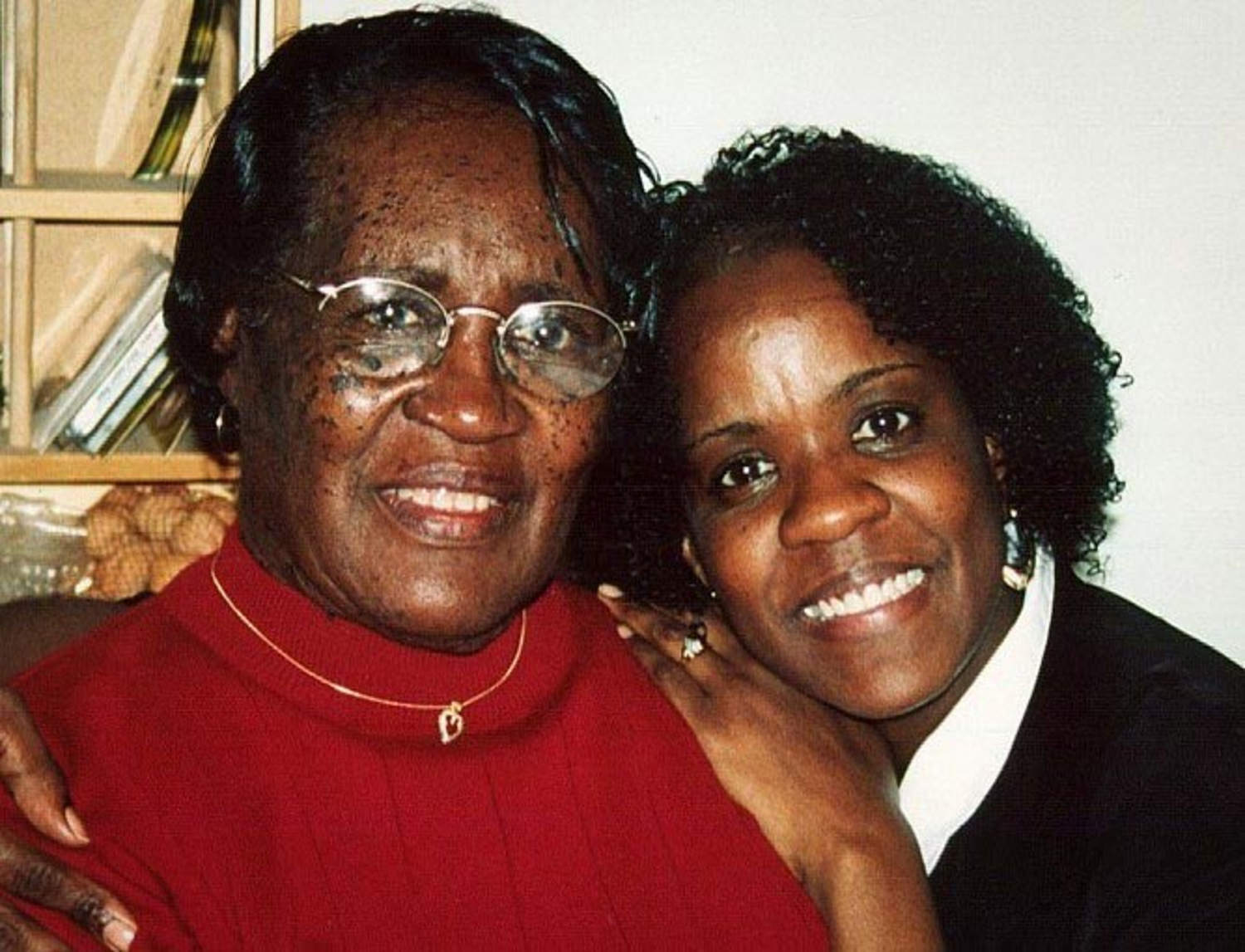
A New Beginning Through Virtual Reality and Lifestyle Changes
Phyllis Jones, a 66-year-old from Aurora, Illinois, starts her day with a routine that takes her across the globe—sometimes even to the moon. This unique experience is made possible by her favorite workout gadget: a virtual reality headset. Her journey into an active lifestyle is a far cry from where she was just a few years ago.
Jones had been struggling with prediabetes, and her cholesterol and blood pressure levels were on the rise. After falling into a deep depression, she became completely sedentary. “I was in bed. I didn’t care at all. I was just spiraling,” she recalls. She feared losing her cognitive abilities, especially given her family history of vascular dementia, which affects the brain’s ability to receive enough blood flow. Two generations of her family suffered from the condition, and she was determined to break the cycle for herself.
Four years ago, Jones joined a major clinical trial called U.S. POINTER, aimed at understanding how older adults at high risk for dementia can maintain better health. The study involved over 2,000 participants, with half receiving advice on a healthy lifestyle, including diet and exercise, while the other half engaged in a structured program. This program included regular meetings with experts, group activities, brain exercises, and aerobics classes, along with following the MIND diet, which emphasizes whole grains, fruits, leafy greens, and other vegetables.
The researchers measured cognitive function by assessing memory, attention, and processing speed. After two years, both groups showed improvement, but the structured group experienced greater benefits. According to Laura Baker, lead researcher and gerontology professor, the structured group performed at a level comparable to adults one to two years younger. “This is what’s giving folks additional resilience against cognitive decline,” she said.
The key factors in the success of the structured group were increased support and accountability. “We’re going to tell you what to do, but we’re also going to help you get there, and we’re going to work with you as a partner to meet you where you are,” Baker explained.
The findings, published in the Journal of the American Medical Association, mark the first large-scale randomized controlled trial showing that organized, sustainable lifestyle interventions can have a measurable impact on brain health. With the number of people living with dementia expected to double by 2060, these results are significant. About 10% of Americans over 65 have dementia, and nearly 7 million have Alzheimer’s, the most common type.
While some drugs may slow the progression of dementia, there is no cure. Dr. Richard Isaacson, a neurologist not involved in the study, emphasized that the new findings show people are not powerless in the fight against cognitive decline and Alzheimer’s disease.
Other research presented at the Alzheimer’s Association conference found that regular walking can protect the brains of those with a genetic risk for Alzheimer’s. Rachel Wu, an associate professor of psychology, noted that lifestyle interventions have no downside and can be universally applied.
POINTER trial researchers collected blood samples and brain scans to look for amyloid and tau proteins associated with Alzheimer’s. These samples will be analyzed further, with additional findings expected within the year.
Jones is eager to see the results and has already transformed her life. She has lost 30 pounds, is no longer prediabetic, and is actively managing her health. “I’m going to keep moving, eating right, socializing, monitoring my comorbidities,” she says. “I’m going to take care of myself.”

Posting Komentar untuk "Early Trial Results: Healthy Lifestyle Slows Cognitive Decline"
Posting Komentar