
Ontario Intensifies 'Buy Canada' Push Amid Rising US Boycotts
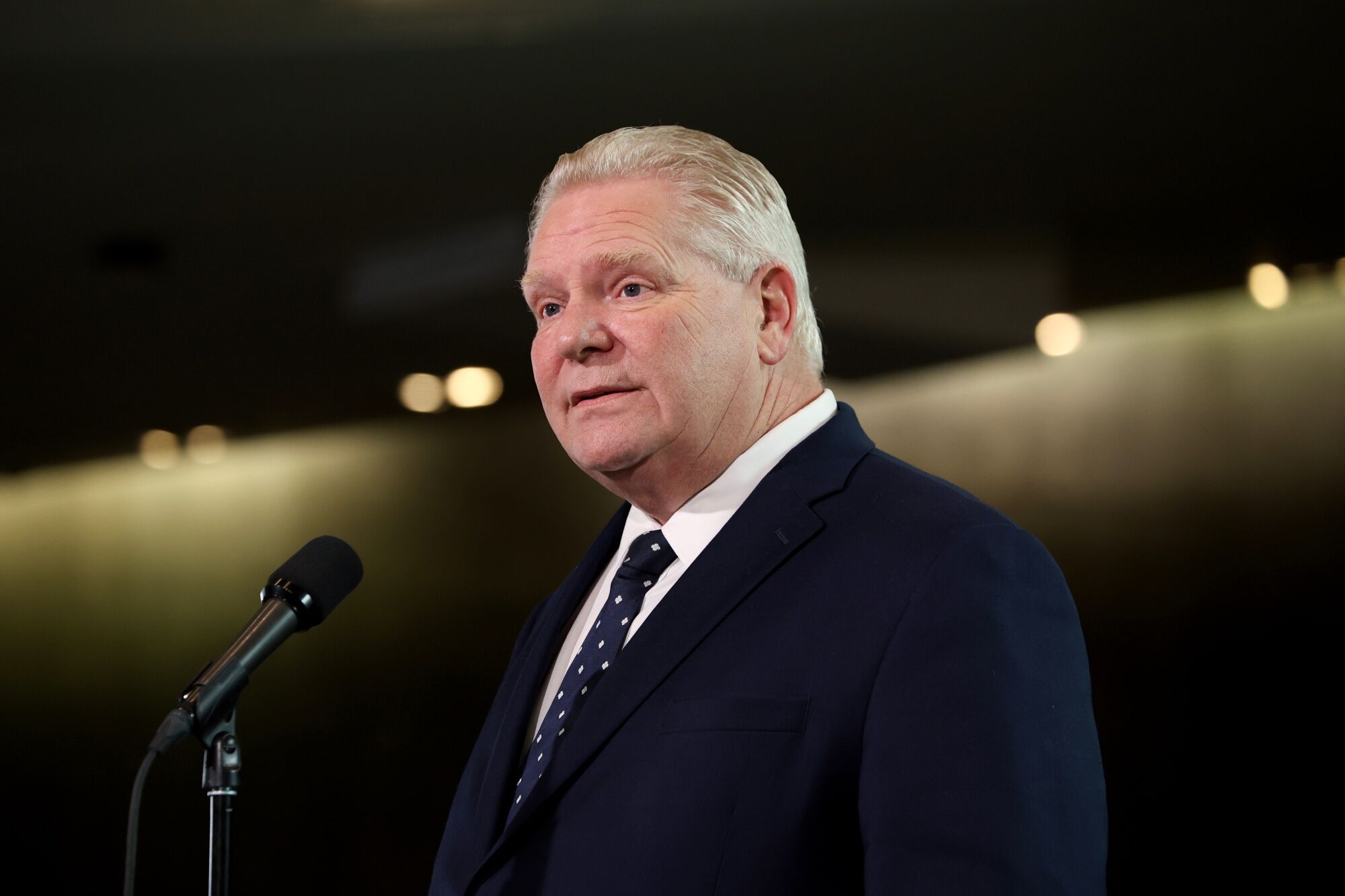
Ontario Premier Doug Ford Calls for Canadian-Made Products to Pressure U.S. Trade Negotiations
Ontario Premier Doug Ford has intensified his push for a national strategy that emphasizes buying "Canadian-made everything." This initiative aims to put pressure on the United States to renegotiate trade agreements and reduce tariffs. As the leader of Canada’s largest province, Ford is currently hosting a meeting of provincial leaders, where discussions on trade and economic policies are expected to dominate.
Ford emphasized that Canada should leverage its position as America’s top customer. He highlighted the importance of this relationship, noting that Canada purchases more goods from the U.S. than Japan, China, South Korea, the United Kingdom, and France combined. His message is clear: Canada is an economic powerhouse and should not accept unfavorable terms.
Prime Minister Justin Trudeau will attend the conference on Tuesday, joining provincial leaders in addressing these pressing issues. In preparation for the talks, Trudeau has sent Dominic LeBlanc, the minister responsible for Canada-U.S. trade, to Washington to negotiate with the Trump administration. The administration has threatened to impose a 35% tariff on certain Canadian goods if no deal is reached by August 1.
However, the Trump administration has provided mixed signals regarding its intentions. While some officials have indicated a willingness to reach agreements, others have suggested they may proceed with unilateral tariff rates on trading partners. This uncertainty complicates negotiations and raises concerns among Canadian businesses.
Ford encouraged provinces and territories to start purchasing Canadian-made vehicles and other products, arguing that this approach could have a greater impact than any other measure. He pointed out that such actions could hurt the U.S. economy more than any other tactic.
According to the Bank of Canada’s quarterly survey of households, Canadians are increasingly boycotting U.S. travel and products in response to the tariffs. About 55% of respondents reported spending less on vacations to the U.S., while roughly 63% said they are reducing their purchases of American goods.
The Canadian steel industry has already felt the effects of rising tariffs, with job cuts and reduced shipments. Despite this, the federal government announced a plan last week to curb imports of foreign steel to support domestic producers. However, some industry leaders argue that the plan does not go far enough to address the challenges faced by the sector.
In May, Ford’s government pledged C$1.3 billion ($950 million) to help manufacturers by enhancing tax credits for Ontario-made products. The province has about 830,000 people employed in manufacturing, which accounts for approximately 10% of jobs.
Tariffs: Inevitable or Avoidable?
Canada’s premiers have generally maintained a united front in the face of Trump’s trade war. The summer retreat is expected to focus on increasing trade between provinces and advancing major infrastructure projects, such as ports, to strengthen the country’s economic independence.
Despite the existing trade agreement signed by Trump in his first term, which allows for tariff-free trade between the U.S., Mexico, and Canada, some leaders appear resigned to the possibility of at least some level of tariffs on Canadian exports. Prime Minister Trudeau has stated there is little evidence that Trump will completely eliminate the tariffs.
Alberta Premier Danielle Smith expressed hope that sector-specific tariffs can be minimized. Meanwhile, Quebec’s François Legault noted it is too early to determine whether some tariffs will remain. Legault emphasized the need for long-term assurances, stating that companies require stability to plan effectively.
“We’ll see what we can get on August 1st. Of course, the ideal situation would be no tariffs,” Legault said. “Whatever the agreement is, we need to have assurance that we’ll keep this agreement for three, five years. We need to have an economy where the companies know what’s happening in six months and 12 months from now.”
As the discussions continue, the focus remains on finding a balanced approach that protects Canadian interests while maintaining strong trade relations with the U.S. The outcome of these negotiations will have significant implications for the future of Canada’s economy and its ability to navigate the complexities of international trade.

Posting Komentar untuk "Ontario Intensifies 'Buy Canada' Push Amid Rising US Boycotts"
Posting Komentar