
Trump's Trade War: 5 Items to Stock Up On Before Price Hikes
Impact of U.S.-China Trade Policies on Consumer Prices and Availability
American consumers are likely to face higher prices for goods made in China, and there may even be instances of product shortages. This comes as a result of ongoing trade tensions between the United States and China, which have led to significant changes in import regulations and tariffs.
After President Donald Trump announced “reciprocal” tariffs on April 2, markets experienced a sharp decline. A 145% tariff on Chinese goods effectively disrupted trade, causing delays at ports and raising concerns among major retailers. Executives from companies like Walmart and Target reportedly warned that store shelves could become empty within weeks if the situation continued.
Although the U.S. and China agreed to a 90-day cooling-off period, with the U.S. reducing tariffs on Chinese goods from 145% to 30% and China lowering its tariffs to 10%, this still leaves a 30% tariff in place. The agreement is not a permanent solution but rather a temporary pause, with no final deal yet reached.
Another factor affecting consumer goods is the “de minimis” loophole, which previously allowed small packages valued under $800 to enter the U.S. without import duties or taxes. However, an executive order by Trump closed this loophole. As part of negotiations to ease trade tensions, the U.S. reduced the de minimis tariff on small parcels from China to 54% (from 120%) or a flat fee of $100, effective May 14.
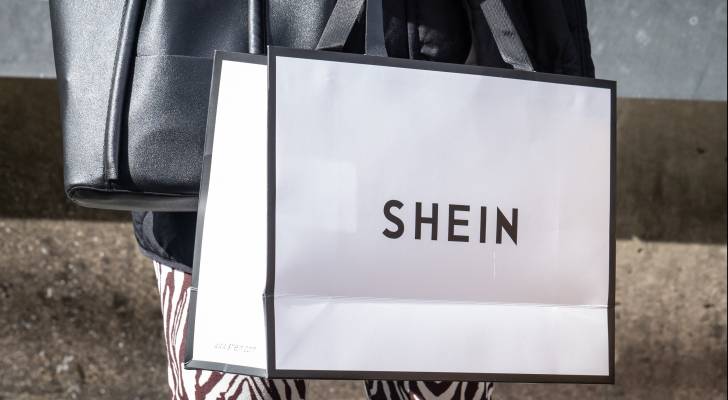
This change has had a significant impact on direct-to-consumer brands such as Shein and Temu, which relied on the previous exemption to offer low-cost products to American consumers. A 54% tariff is still a substantial increase, especially for items like cheap dresses or toys.
How Tariffs Will Affect Your Shopping Cart
While the temporary pause may provide some relief, industry experts warn that prices will still rise. Steve Lamar, CEO of the American Apparel and Footwear Association, told CNBC that the 30% tariff combined with existing Section 301 and MFN tariffs will make the back-to-school and holiday seasons more expensive for most Americans. Additionally, potential increases in freight rates due to shipping disruptions could further drive up costs.
Unlike the shortages seen during the early days of the pandemic, which were caused by panic buying and supply chain issues, tariff-related shortages stem from trade policies that raise import costs. While certain goods may not disappear from store shelves, they could become significantly more expensive. Some importers may also reevaluate their product offerings, leading to fewer choices for consumers.
Even if Americans stop purchasing cheap goods from China, it would still negatively affect the U.S. economy, as many small businesses rely on these discretionary purchases. Despite a pre-tariff buying spree, the U.S. economy contracted by 0.3% in the first quarter of 2025.
Sudden policy changes are making it difficult for retailers to plan ahead, leading to cancellations or postponements of shipments. This is starting to create challenges in supply chains across the country.
Key Items to Watch Out For
-
Fast Fashion
Brands like Shein and Temu have already seen price increases. Even with reduced tariffs, fast fashion is unlikely to return to pre-tariff levels. According to Jianlong Hu, CEO of Brands Factory, the “Golden Age” of small package delivery from China to the U.S. has passed. -
Toys
Nearly 80% of all toys sold in the U.S. are made in China, and they are affected by tariffs. Higher prices could hurt both consumers and U.S. toy companies, many of which are small or mid-sized businesses. -
Cheap Household Goods, School Supplies, and Home Décor
These items, which often have tight profit margins, are expected to become more expensive. This includes everyday essentials like paper plates, batteries, and toothpaste, as well as school supplies and home décor. -
Consumer Electronics and Appliances
Many components of electronics and appliances are manufactured in China. Companies like Apple and LG rely heavily on Chinese manufacturing. As a result, smartphones, computers, and household appliances may see significant price increases. -
Replacement Parts
Replacement parts such as filters and cords may become harder to find. Casey Armstrong, chief marketing officer of ShipBob, noted that supply chains often do not prioritize reordering these items until they are nearly depleted.
What You Can Do Now
With these changes in mind, it may be wise to stock up on certain items before prices rise further. At the same time, it’s also a good opportunity to reassess spending habits and consider more sustainable consumption practices.

Posting Komentar untuk "Trump's Trade War: 5 Items to Stock Up On Before Price Hikes"
Posting Komentar