
6 Insect Apocalypses If Giants Survived
The Return of Carboniferous Titans
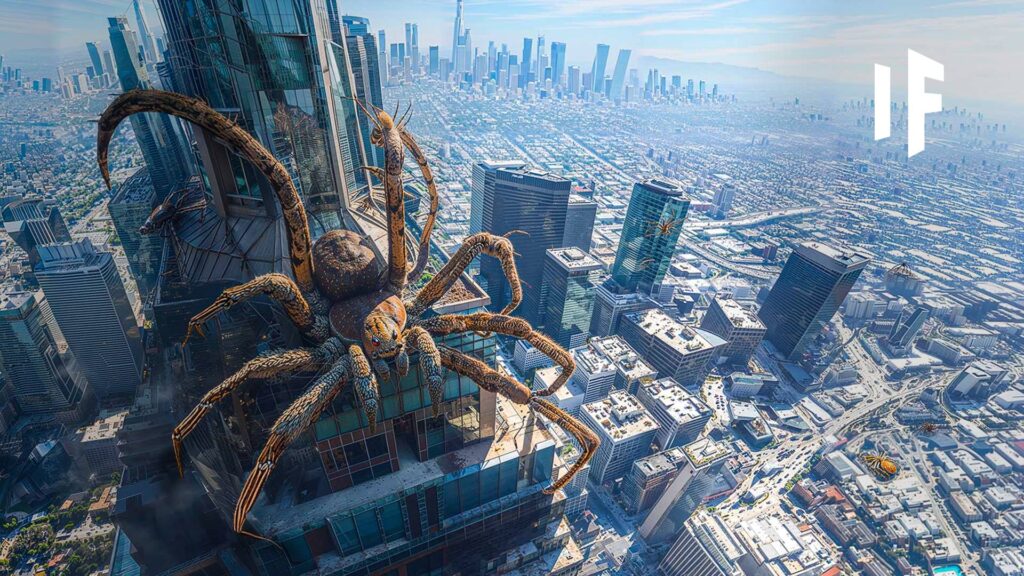
Three hundred million years ago, Earth was home to an array of colossal insects that ruled the land and skies. Towering scorpions, massive millipedes, and dragonflies with wingspans as wide as seagulls were common. These creatures eventually disappeared, making way for dinosaurs and later mammals. However, what if these giant bugs had never gone extinct? The world today would look completely different, and human evolution would have taken a much more perilous path.
If these giants returned, they would once again dominate forests, swamps, and skies. People would need to carry protective gear when going outside, and entire industries could emerge to manage these enormous creatures. Tourism might even develop around observing them, though only the bravest would dare to get close.
Why They Grew So Large in the First Place
Insects breathe through tiny openings called spiracles, which connect to a network of tubes that deliver oxygen directly to their cells. Higher oxygen levels in the atmosphere allowed for larger sizes. During the Carboniferous Period, oxygen levels reached about 35 percent, compared to today's 21 percent. This abundance of oxygen enabled creatures like griffenflies with wingspans up to 70 centimeters, giant millipedes over 2.5 meters long, and massive scorpions weighing as much as house cats.
With such high oxygen levels, fires would be more frequent and intense, and forests could ignite from the smallest sparks. These conditions would also accelerate plant growth, creating denser and more humid environments ideal for insect expansion. In this lush, oxygen-rich world, these creatures would thrive, challenging human dominance in ways that are hard to imagine.
How Birds Brought Them Down
Even with high oxygen levels, the rise of birds during the dinosaur era spelled trouble for giant insects. Larger insects were easier prey, leading to evolutionary pressure favoring smaller, faster species that could escape predators. If birds had never evolved, giant insects might have continued to thrive, filling ecological roles similar to large reptiles and mammals today.
In a modern setting without enough predators, their populations could explode, causing major ecological shifts. This could lead to massive competition for food and territory, forcing humans to adapt their farming and living spaces. Entire ecosystems might become unrecognizable, with insects dominating the food chain.
Modern Survival Strategies
If giant insects existed today, they would need new ways to survive against predators, including humans. Some could adopt stealth reproduction cycles like cicadas, staying hidden underground for years before emerging to breed. Others might develop chemical defenses, releasing toxic sprays or storing poisons from plants to deter attackers.
These strategies could keep their massive bodies safe and help them dominate in a predator-rich environment. Additionally, some species might adapt camouflage abilities to blend into forests or urban areas. Over time, these adaptations could make them even more dangerous, as humans would have a harder time spotting them before it was too late.
Human Life in a Giant Insect World
Daily life would change dramatically. People might have to defend homes from giant cockroaches or fend off aggressive, dog-sized dragonflies. Pest control would become a major industry, possibly involving heavy-duty weapons or advanced repellents. Insects could also become a significant food source, offering high-protein meals in a more sustainable form than livestock.
Entire cuisines might emerge based on grilled griffenfly wings or roasted giant beetles. Communities might build protective domes or netted enclosures to keep out flying predators. Cities would need to be redesigned with insect-proofing as a top priority.
Environmental and Safety Hazards
A 35 percent oxygen atmosphere would mean more frequent and intense fires. Some giant insects, like scaled-up bombardier beetles, could accidentally spark blazes with their chemical defenses. Forest ecosystems would need to adapt, evolving plants resistant to burning or capable of regrowing rapidly.
Noise pollution would also rise, as swarms of giant cicadas could produce sounds loud enough to damage human hearing, changing how we design cities and outdoor spaces. Emergency services would need specialized equipment to deal with insect-related disasters. Insect droppings and remains could even affect water supplies, making sanitation a bigger challenge.

Posting Komentar untuk "6 Insect Apocalypses If Giants Survived"
Posting Komentar