
AI is Reshaping Workforces—Ex-Google Exec Warns CEOs Are Missing the Big Picture
The Future of Work and Leadership in the Age of AI
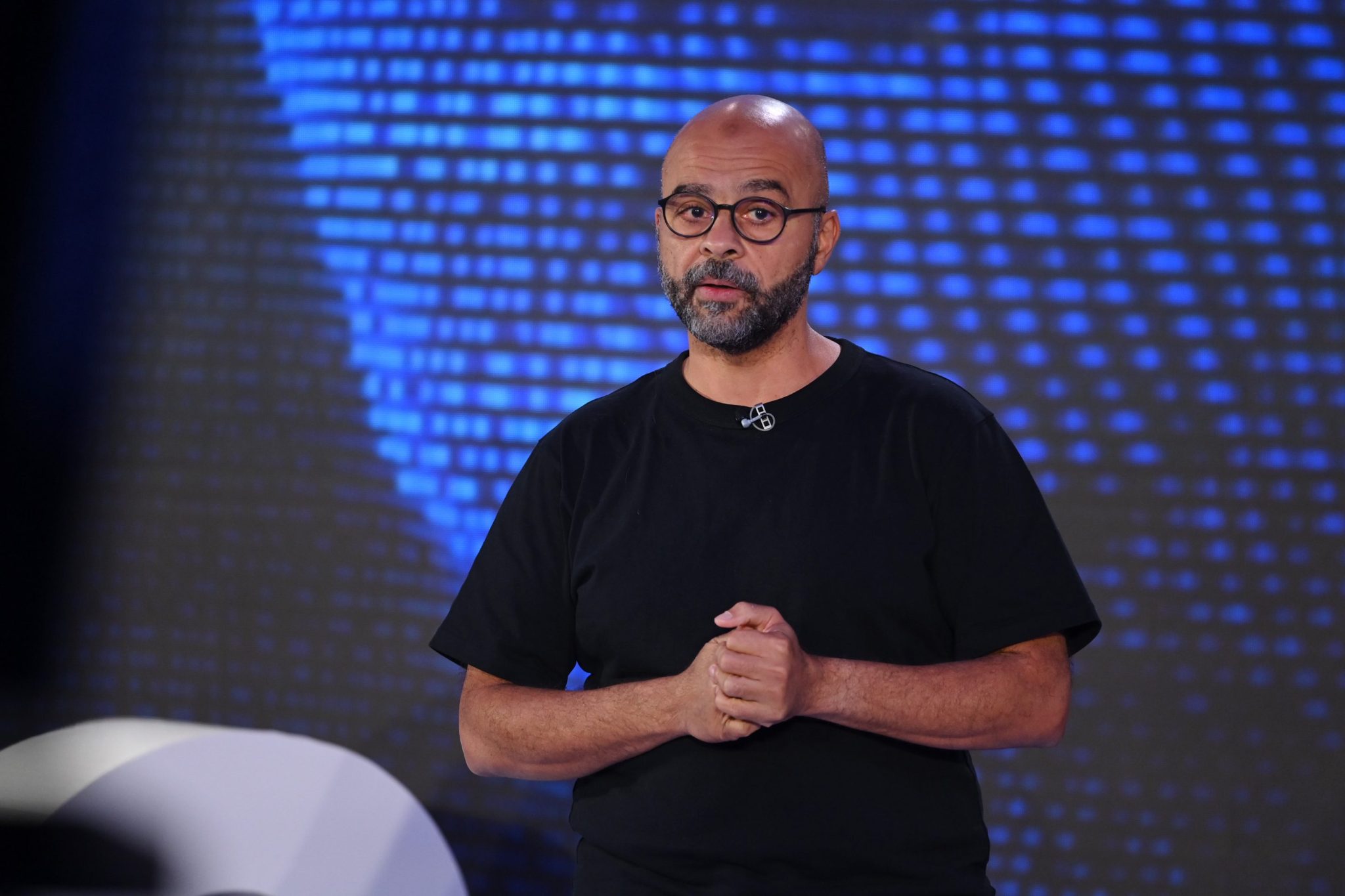
Mo Gawdat, former chief business officer at Google X, has made a bold statement about the future of artificial intelligence (AI) and its impact on jobs. According to him, the idea that AI will create new jobs is “100% crap.” His concerns are not just about workers being replaced but also about the potential for AI to disrupt leadership roles across industries.
Gawdat’s views align with those of other tech leaders like Demis Hassabis, CEO of Google DeepMind, and Sam Altman, CEO of OpenAI, who believe that AI will surpass human capabilities in many areas. He predicts that AI, particularly advanced general intelligence (AGI), will be better at everything than most humans. This includes even the most complex roles, such as CEO positions.
The Job Market and AI
Gawdat argues that only the best workers in their respective fields will retain their jobs for a while. However, he warns that this advantage may not last long. As AI continues to evolve, it could replace even top-tier professionals in various sectors. This raises questions about how the job market will adapt and what kind of skills will be in demand.
Moreover, Gawdat points out that companies like Duolingo, Workday, and Klarna have already started reducing their human workforce or halting hiring to prepare for an AI-centric environment. While these moves might seem efficient, they come with a cost. Executives should not celebrate their productivity gains too soon, as their own roles may also be at risk.
The Role of CEOs in the AI Era
Gawdat emphasizes that AI is not just a threat to employees but also to CEOs. He warns that incompetent leaders may find themselves replaced by AI, which could perform their duties more effectively. This shift could lead to a reevaluation of leadership styles and decision-making processes within organizations.
The ex-Google executive believes that AI itself is not the problem; rather, it is the value systems of humanity that need to change. Capitalism, with its focus on labor arbitrage, is a key factor in how AI is being adopted. Gawdat suggests that the real issue lies in the motivations behind AI implementation, rather than the technology itself.
AI and Global Leadership
Beyond corporate settings, Gawdat envisions a future where AI could replace harmful leaders. He argues that AI could help eliminate corruption and unethical practices by taking over roles currently held by “evil” world leaders. This scenario, while dystopian, could lead to a more moral and effective global governance system.
Gawdat believes that AI will eventually become essential for ensuring that leaders act in the best interests of their people. He suggests that world leaders may need to replace themselves with AI to maintain their relevance and avoid losing their advantages.
The Need for Regulation
As AI continues to advance, the need for regulation becomes increasingly apparent. Tech leaders like Sam Altman and Sundar Pichai have called for oversight to ensure that AI development is safe and ethical. Altman has proposed the creation of an international authority similar to the International Atomic Energy Agency (IAEA) to monitor and regulate superintelligence efforts.
This regulatory framework would involve inspections, audits, and compliance checks to ensure that AI systems are developed responsibly. Such measures could help prevent misuse and mitigate potential risks associated with AI advancements.
Preparing for the Future
As AI reshapes the landscape of work and leadership, individuals and organizations must adapt. This includes developing new skills, rethinking traditional roles, and embracing a more collaborative approach between humans and machines. The future may bring both challenges and opportunities, but with the right strategies, society can navigate this transformation effectively.
In conclusion, the rise of AI presents a complex set of implications for the job market, leadership structures, and global governance. While the potential for disruption is significant, it also offers a chance to redefine how we approach work, leadership, and ethical considerations in the digital age.

Posting Komentar untuk "AI is Reshaping Workforces—Ex-Google Exec Warns CEOs Are Missing the Big Picture"
Posting Komentar