
AI-powered fragrance creation: Custom scents made possible
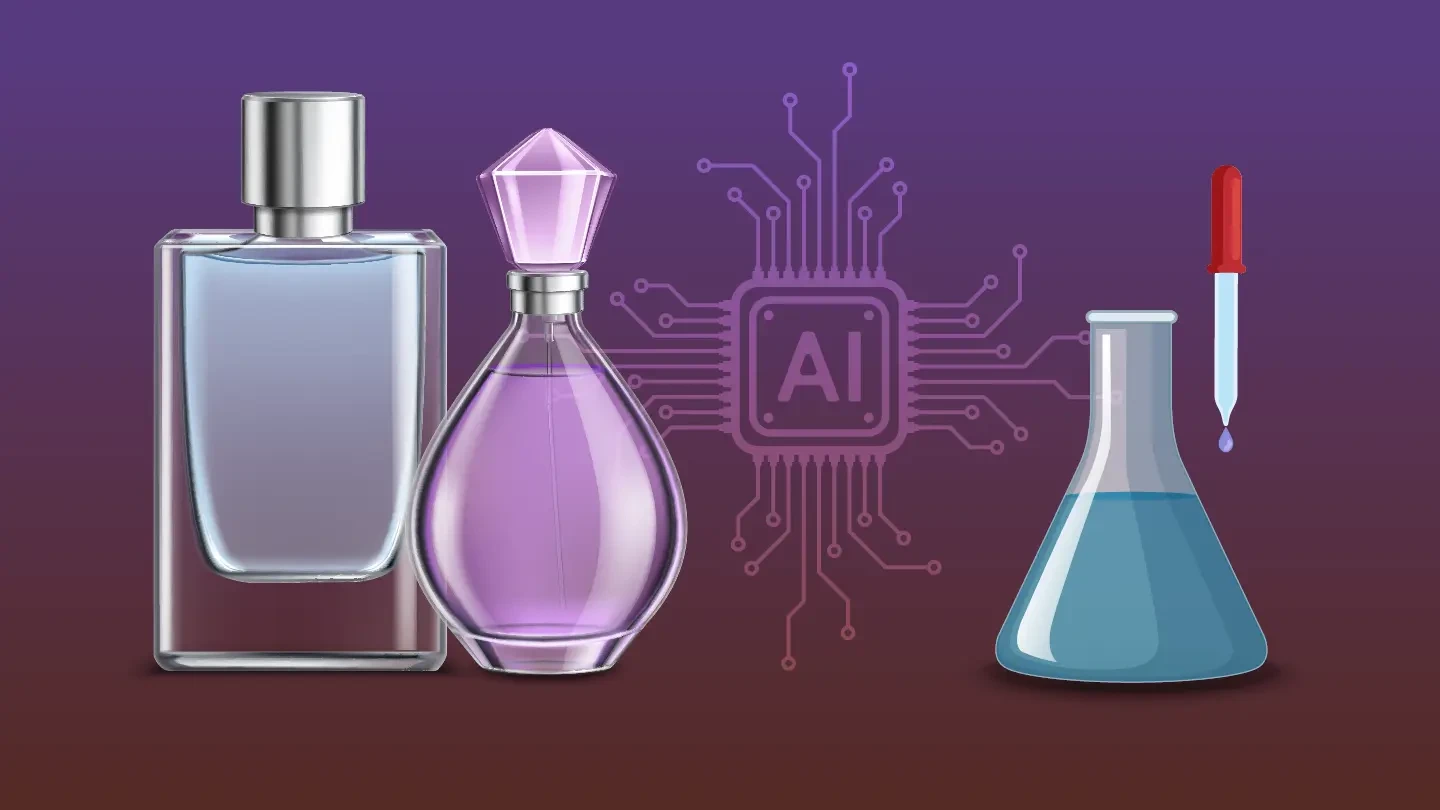
The Art of Scent and the Rise of AI
Creating the perfect scent has always been an intricate blend of science and art. From perfumes to food products and household cleaners, fragrances play a significant role in shaping how people experience their surroundings. However, the process of developing a new scent typically involves extensive trial and error, often requiring weeks or even months of work by skilled perfumers. This could soon change with the introduction of artificial intelligence (AI) in fragrance design.
A team of scientists from the Institute of Science Tokyo has developed a system that can automatically create new scents based on user preferences. Instead of relying solely on human expertise or years of training, the system uses essential oils, mass spectrometry, and an AI technique known as a diffusion network to generate aroma recipes in minutes.
AI with a Nose for Fragrance
Fragrance design is a complex task that requires scents to be appealing, memorable, and aligned with specific branding goals. This is especially crucial in industries like perfume, food, and home goods, where a scent can strongly influence consumer perception.
Traditionally, crafting a scent involves working closely with skilled perfumers who blend oils and chemicals until they achieve the desired result. While this method is artistic, it can be slow and difficult to scale. Even experts may need multiple attempts to match the exact smell a company wants.
Now, a groundbreaking tool called Odor Generative Diffusion (OGDiffusion) offers a high level of automation to this creative process. This model uses a generative diffusion network—a machine learning technique commonly used for generating images or text. In this case, the model doesn’t create visuals or words but instead invents new smells.
“We provide a fast, general, and efficient method for fragrance generation,” says Professor Takamichi Nakamoto, who led the study. “By eliminating human intervention and molecular synthesis, we built a fully automated, streamlined, and data-driven approach.”
How the Scent-Making AI Works
To understand how this system works, it's important to look at its ingredients. The AI starts with mass spectrometry data from 166 different essential oils. Each oil comes with information about its scent, such as citrus, floral, spicy, or woody. These are known as odor descriptors.
When someone inputs a desired smell—like a citrus-woody blend—the AI searches the scent data and creates a new chemical profile, known as a mass spectrum. It then calculates which oils and how much of each should be blended to match that spectrum. This calculation uses a technique called non-negative least squares, a common method in data science for finding best-fit solutions without using negative values.
The end result is a recipe: a list of essential oils and their amounts that will produce the target smell. It skips the need to invent new molecules from scratch. The scents come directly from existing essential oils.
The model doesn’t guess blindly. It builds these new profiles by learning patterns in the mass spectrometry data of known oils. The diffusion process allows it to "reverse" noisy data into a meaningful, structured chemical fingerprint that represents a new scent.
Putting Smell to the Test
Creating a scent on a computer is one thing. Getting it to match human expectations is another. To test if their system truly worked, the researchers conducted two human trials. In both, participants judged real blends based on the AI’s recipes.
In the first test, 14 people participated in a double-blind study where they smelled different samples and tried to match them to scent descriptors like “fruity” or “floral.” Without knowing which was which, participants were able to correctly match the AI-generated fragrances to their intended categories.
In the second test, the group was asked to smell two different versions of a scent. One had a new odor descriptor added—for example, “minty”—and the other did not. Participants could reliably tell the difference and correctly pick the one with the added note. This confirmed that the AI could not only create general scents but also fine-tune them to express specific scent qualities.
These results show that the system doesn’t just generate scents—it creates recognizable and precise ones. “Even a novice can create an intended scent,” says Nakamoto. “It makes scented digital contents possible.”
A Shift in Scent Creation
This new method could greatly change how people and companies design fragrances. Other AI fragrance models do exist, but they usually depend on private datasets or still require help from human experts. What makes this approach different is that it doesn’t rely on hidden data or skilled perfumers. It uses publicly available information and clear math to build each scent.
The model’s main strength lies in its flexibility. Anyone—from a business owner to a hobbyist—can create a new scent by simply entering desired smell qualities. The AI handles the rest. Because it works with essential oils instead of synthetic molecules, the resulting scent is easy to reproduce using standard materials.
The researchers believe this system can reduce the time and cost it takes to design fragrances, helping companies launch new products more quickly. It also opens up new paths for creative exploration. Someone could design scents that match a mood, a color, or even a song—just by describing how it should smell. “This represents a significant advancement in aroma design,” Nakamoto adds.
More Than Just Perfume
The impact of this AI goes beyond perfume bottles. In food and beverage industries, companies often try to recreate the smell of fresh fruits, spices, or baked goods. In household products, the right scent can turn a cleaning spray into a favorite brand. Even digital experiences—like games or virtual reality—could use custom scents to deepen immersion.
By making fragrance design easier and more accurate, the OGDiffusion model could lead to new markets and products. It also allows people without chemistry skills to create professional-level scents, giving more room for innovation and personalization. The future of scent may not lie in a lab filled with vials, but in data and smart algorithms trained to know what smells good.

Posting Komentar untuk "AI-powered fragrance creation: Custom scents made possible"
Posting Komentar