
Alaska Airlines' Transatlantic Push: Widebody and Narrowbody Boeing Strategy
Alaska Airlines Expands into Transatlantic Market with New Routes
Alaska Airlines is making a bold move by entering the transatlantic market for the first time. Starting in the spring of 2026, the airline will introduce direct flights from its Seattle-Tacoma International Airport (SEA) to London Heathrow (LHR) and Reykjavik Keflavik (KEF). This development has sparked significant interest among travelers and industry observers alike.
The decision to launch these routes highlights the airline’s ambition to diversify its network and tap into new markets. However, both routes are already well-served by established carriers, which means Alaska Airlines will face intense competition. The airline must carefully balance its offerings to stand out in a crowded space.
Seattle to London: A Highly Competitive Route
One of the most notable routes in Alaska Airlines’ expansion is the transatlantic connection between Seattle and London Heathrow. London remains a major hub for both business and leisure travelers, and the demand for flights between the two cities is substantial. Currently, the route is served by multiple airlines, including Delta Air Lines, Virgin Atlantic, and British Airways.
Delta operates daily flights using Airbus A330-900 aircraft, while Virgin Atlantic also provides daily service on the same route. British Airways, on the other hand, offers twice-daily flights, alternating between Boeing 777-300ER and various 787 variants. Despite this competition, Alaska Airlines believes it can carve out a niche by focusing on premium passengers and offering unique benefits through its loyalty program.
The airline plans to use the Boeing 787-9 on the London route, which features 34 lie-flat business class seats. This configuration is designed to appeal to travelers seeking comfort and flexibility. Alaska Airlines also emphasizes that its services will connect passengers from the West Coast to London and beyond, leveraging its extensive partner network.
Strategic Considerations for the London Route
With four daily flights already operating between Seattle and London, some may question whether there is enough demand to support a fifth service. This concern is heightened by the fact that British Airways, a key partner in the oneworld alliance, also operates on the route. There is a risk of overlap, but Alaska Airlines remains confident in its ability to attract connecting traffic.
The airline notes that Delta and Virgin Atlantic, both part of the SkyTeam alliance, coexist successfully on the route. This suggests that cooperation and differentiation can work in a competitive environment. Alaska Airlines aims to provide additional options for travelers, particularly those looking for more flight times and premium seating.
Seattle to Reykjavik: A New Frontier
In addition to London, Alaska Airlines will also launch a route from Seattle to Reykjavik Keflavik Airport in Iceland. This route has long been a popular stopover for travelers moving between Europe and North America. Icelandair currently dominates the market, operating three daily flights using Airbus A321LR narrowbodies.
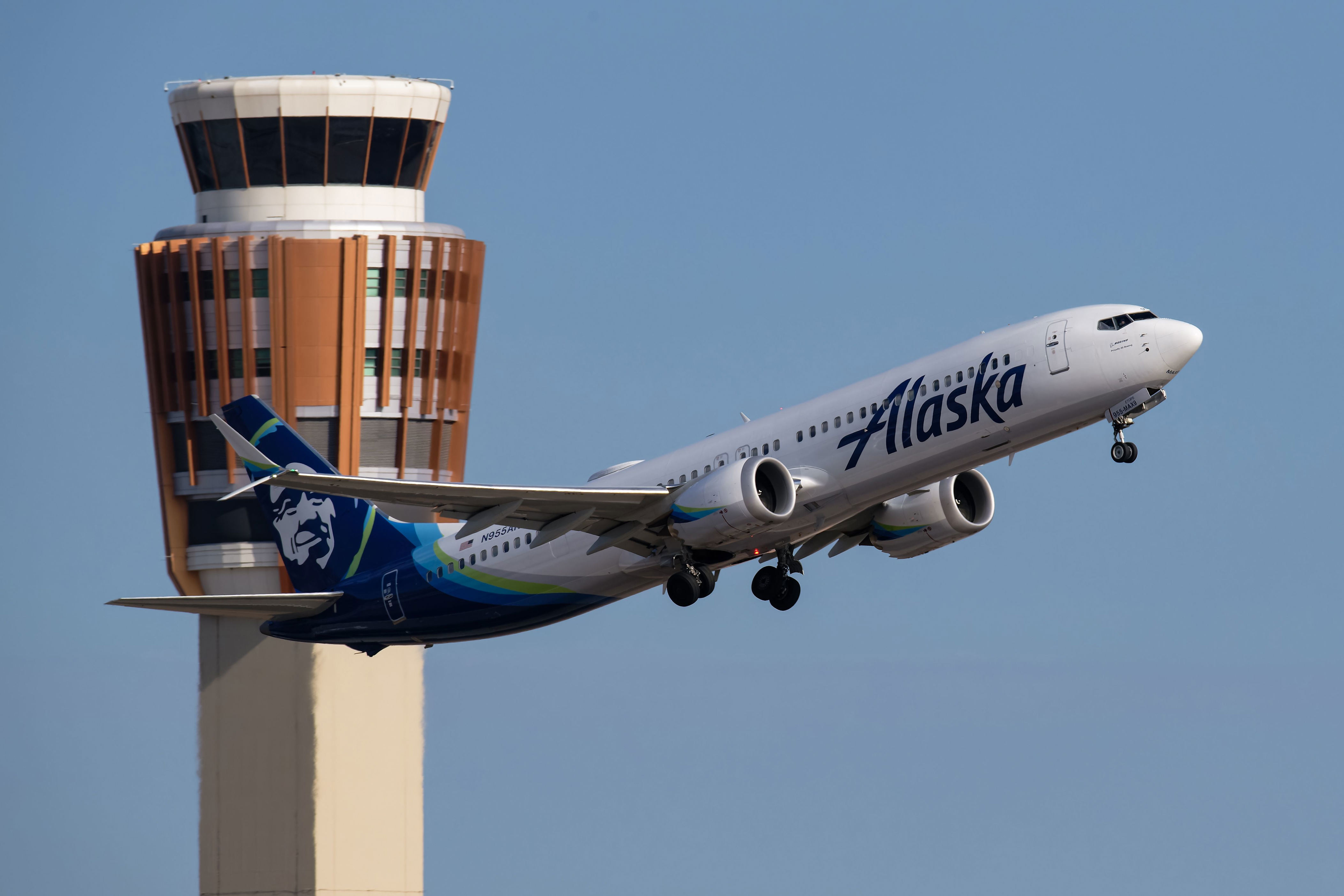
Alaska Airlines plans to serve the route with the Boeing 737 MAX 8 during peak summer months. Unlike Icelandair, which focuses heavily on transit traffic, Alaska Airlines is expected to target point-to-point travelers. The airline’s fleet includes 159 or 161 seats in a two-class configuration, which is well-suited for short-haul, high-frequency operations.
This route presents an opportunity for Alaska Airlines to expand its presence in the Nordic region and offer convenient connections for passengers traveling between the U.S. and Europe. While the market is already competitive, the airline’s focus on customer convenience and connectivity could help it gain traction.
Conclusion
Alaska Airlines’ entry into the transatlantic market marks a significant milestone in its growth strategy. By launching services to London and Reykjavik, the airline is positioning itself as a key player in long-haul travel. While the routes are highly competitive, Alaska Airlines is confident in its ability to succeed through strategic planning, premium offerings, and strong partnerships. As the airline prepares for its 2026 debut, the aviation industry will be watching closely to see how it navigates this new and challenging territory.

Posting Komentar untuk "Alaska Airlines' Transatlantic Push: Widebody and Narrowbody Boeing Strategy"
Posting Komentar