
Aldi vs Lidl: Key Facts Before You Shop
The Rise of Aldi and the Potential Challenge from Lidl
Aldi has become a household name in the United States, known for its reputation as one of the most affordable grocery stores. As of now, the company has over 2,400 locations across the country, with Florida currently having the highest number of Aldi stores. The chain continues to expand, with more stores opening every year. However, this dominance might soon face a challenge from another German-based grocery store: Lidl.
While Lidl currently operates fewer than 200 stores in the U.S., it's expanding at a slower pace compared to Aldi. Despite this, Lidl is quickly gaining attention for its unique approach to grocery shopping. Both chains share some similarities, such as a focus on private-label products, competitive pricing, and a "satisfaction or your money back" policy. However, there are notable differences that set them apart, especially when it comes to the shopping experience.
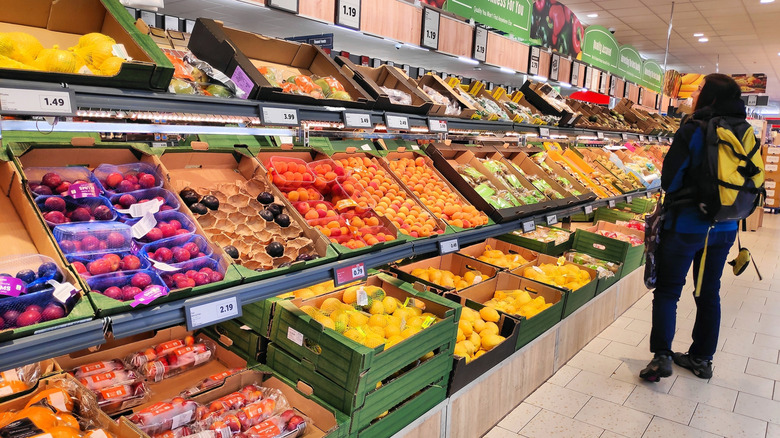
One of the key distinctions is the selection of products. Lidl offers a broader range of items compared to Aldi, which is known for its minimalistic, no-frills aisles. While both stores maintain a utilitarian aesthetic, Lidl often uses shipping boxes stacked in the aisles to display merchandise. This setup gives Lidl a slightly different feel from Aldi’s more straightforward layout.
Another area where Lidl stands out is its bakery section. Unlike Aldi, which only has in-store bakeries in a few locations, Lidl frequently features a wide variety of baked goods. Many customers appreciate the fresh pastries and bread available at Lidl. Additionally, Lidl often includes a garden section, offering live plants and gardening tools. In contrast, Aldi rarely carries live plants, and its garden implements are typically found in its "Aisle of Shame," a spot known for odd or hard-to-find items.
The checkout process also differs between the two stores. At Aldi, shoppers must insert a quarter to use a shopping cart, while Lidl does not require this fee. Moreover, both stores do not bag groceries for customers, but Lidl has a designated bagging area at the register, making the process more efficient for shoppers.
Customer Perspectives on Aldi and Lidl
Online discussions, particularly on platforms like Reddit, reveal a range of opinions about Aldi and Lidl. One user described the difference between the two stores as a matter of preference. They noted that if someone values rock-bottom prices and a focused shopping trip, Aldi is an excellent choice. However, for those who enjoy a bit more variety and the chance to pick up fresh baked goods, Lidl might be the better option.
Other users have shared their experiences, highlighting that while some prefer Aldi for its constantly rotating special buys, others favor Lidl for its larger and more consistent stock of staple items. The bakery section at Lidl, in particular, has received praise from many customers.
For those fortunate enough to live in areas where both stores are available, it's common to find that certain products may be preferred at one store over the other. Comparisons between Aldi and Lidl are natural, given their similar business models and pricing strategies. However, each store has its own loyal customer base, drawn to different aspects of their offerings.
Lidl has only been present in the U.S. since 2017, so it's still early in its journey. Over time, it will be interesting to see how its growth and success compare to Aldi, which has been a fixture in the American market since 1976. For now, both chains continue to attract shoppers looking for value, convenience, and quality in their grocery shopping experience.

Posting Komentar untuk "Aldi vs Lidl: Key Facts Before You Shop"
Posting Komentar