
Apple avoiding major India tariffs
Apple's Strategic Moves Amid Tariff Concerns
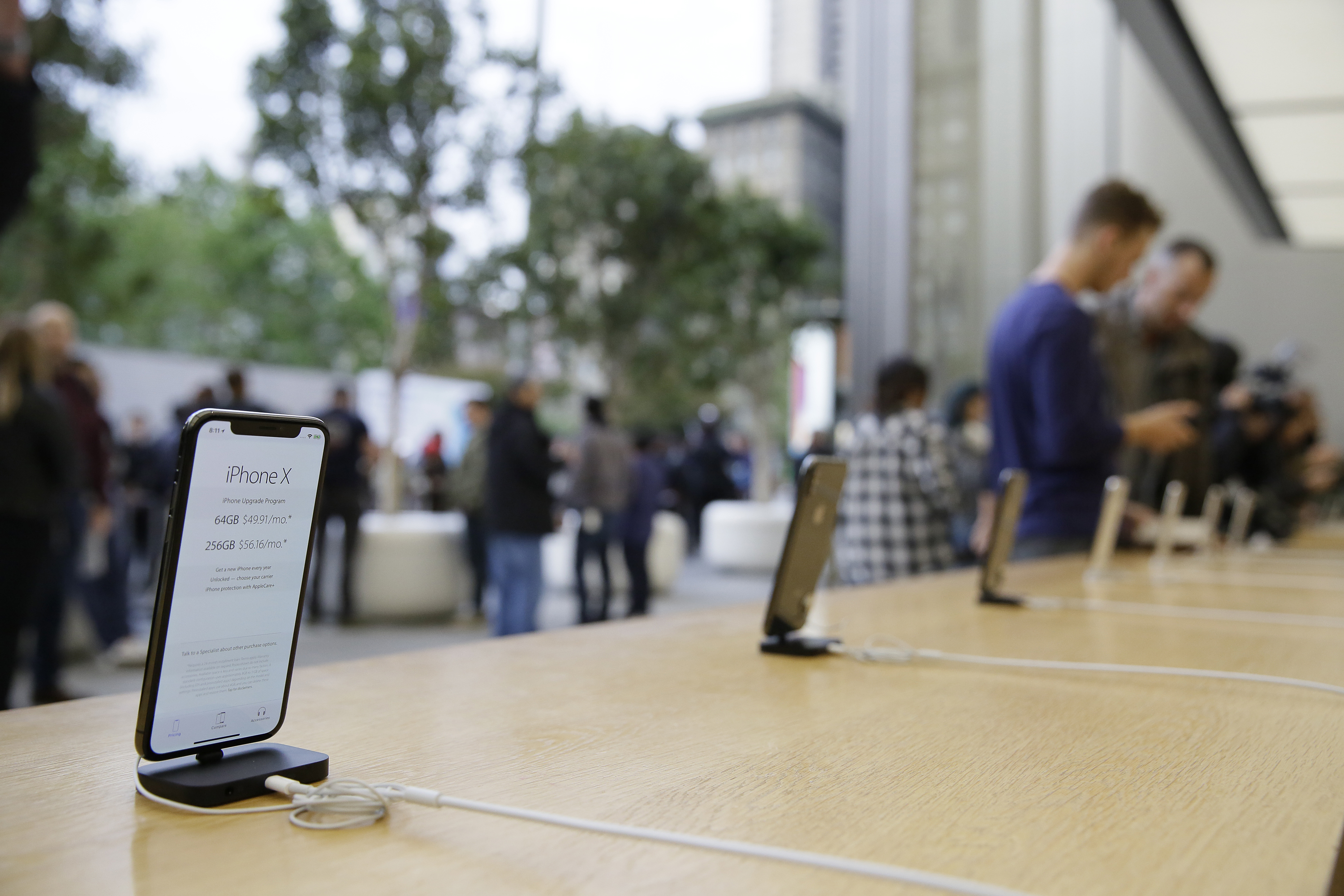
Apple, one of the world’s most valuable technology companies, is navigating a complex landscape of international trade policies. Recent developments indicate that the company may be able to avoid significant tariffs on its products made in India and exported to the United States. This comes as part of the Trump administration’s broader strategy to impose tariffs on goods from various countries.
A White House official confirmed that Apple’s semiconductor-powered devices, including its popular iPhone line, will not be subject to the 25% “reciprocal” tariffs set to take effect. Additionally, an upcoming promise of an extra 25% levy related to India's use of Russian oil is also expected to have minimal impact on Apple's operations. However, iPhones and similar products will still face a separate tariff system, which remains undisclosed at this time.
Expansion of Manufacturing in India
Apple has increasingly shifted its manufacturing operations to India, particularly for its US-bound iPhones. During its recent earnings call, the company highlighted that the majority of these devices are now produced in India. This strategic move is partly aimed at circumventing potential tariffs on Chinese goods, which have been a point of contention under the Trump administration.
Despite this shift, Apple has not been entirely free from the effects of tariffs. In the third quarter, the company reported an $800 million loss due to Trump's levies and anticipates an additional $1.1 billion in charges for the fourth quarter. These financial impacts underscore the challenges that even major corporations like Apple face in the current trade environment.
Challenges in U.S. Manufacturing
While Apple has announced plans to invest an additional $100 billion in U.S. manufacturing, experts suggest that establishing a robust smartphone supply chain in the United States would take years. The lack of existing phone manufacturers and a shortage of skilled workers further complicate this endeavor.
Todd Weaver, the developer of Purism's Liberty Phone, shared insights into the difficulties of setting up a U.S.-based manufacturing facility. His company took years to establish facilities and source components that ensure all processing and communications features come from the U.S. Despite these efforts, the phone's body is still manufactured overseas.
Ongoing Tariff Investigations
The Trump administration is also conducting a Section 232 investigation into semiconductor tariffs, which could have far-reaching implications for industries ranging from smartphones to automobiles. Although the exact timing of the tariff announcement remains uncertain, Trump has indicated that it could be revealed as soon as next week.
This ongoing uncertainty highlights the volatile nature of international trade policies and their impact on global corporations. For Apple, the challenge lies in balancing its manufacturing strategies with the evolving regulatory landscape while maintaining its competitive edge in the market.
As the situation continues to unfold, Apple will need to remain agile and responsive to changes in trade policies that could affect its operations and profitability. The company's ability to navigate these challenges will be crucial in determining its future success in the global market.

Posting Komentar untuk "Apple avoiding major India tariffs"
Posting Komentar