
Apple invests $100 billion in U.S. manufacturing despite Trump tariffs
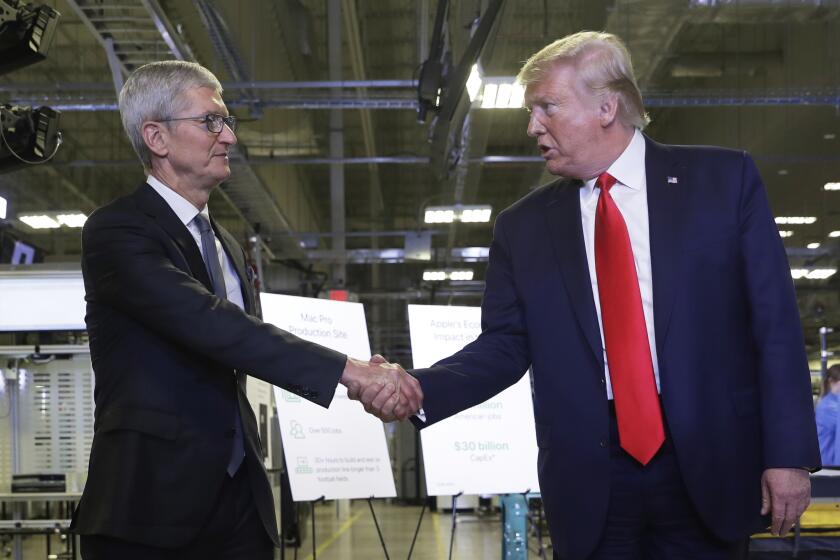
Apple has taken significant steps to reinforce its dedication to the United States, especially in light of previous scrutiny from the Trump administration regarding its production practices. The tech giant recently announced a new investment plan that includes an additional $100 billion for domestic manufacturing. This move is seen as an effort to ease tensions with President Trump, who has emphasized the importance of producing iPhones within American borders.
In addition to this financial commitment, Apple revealed that all of the cover glass for iPhone and Apple Watch units will be manufactured in the United States at Corning’s facility in Harrodsburg, Kentucky. This marks a first for the company and underscores its growing reliance on U.S. manufacturing capabilities.
At a White House event, Apple CEO Tim Cook expressed the company's deep-rooted commitment to American values. “We're going to keep building technologies at the heart of our products right here in America because we're a proud American company, and we believe deeply in the promise of this great nation,” he stated.
President Trump praised Cook during the event, highlighting the significance of Apple's investment. He opened a white box bearing Apple’s logo, showcasing engraved glass before placing it on a base made of gold from Utah. “This is the largest investment Apple has ever made in America and anywhere else, and it's just an honor to have you,” Trump remarked.
Apple's strategy involves bringing more of its supply chain operations into the U.S., part of a broader initiative aimed at reducing costs associated with tariffs. The company confirmed earlier reports from Bloomberg, indicating that it is collaborating with other major firms such as Samsung, Applied Materials, and Texas Instruments.
The company’s total U.S. investment is expected to reach $600 billion over four years. This follows Apple’s February announcement of a $500-billion investment commitment. However, tensions arose when Trump criticized Apple for expanding iPhone production in India, threatening a 25% tariff on the company.
Despite these challenges, Apple continues to emphasize its commitment to the U.S. market. Analysts and economists, however, note that shifting manufacturing to the U.S. could take several years and may lead to higher prices for smartphones and other electronics. Some estimates suggest that if the iPhone were entirely made in America, the price could reach $3,500.
The iPhone 16 Pro, for example, comprises roughly 2,700 parts sourced from 187 suppliers across 28 countries, according to an April report from TechInsights. While Cook acknowledged that Apple’s iPhone will be made elsewhere for the foreseeable future, Trump indicated that his administration might offer incentives to encourage the company to bring production back to the U.S.
As companies seek to reduce costs and consumers manage their budgets, tariffs add another layer of complexity to these efforts. A White House spokesperson highlighted that the partnership between Apple and Trump represents a win for the manufacturing industry, aiming to reshore critical components and protect America’s economic and national security.
Trump also recently doubled tariffs on India to 50%, citing concerns about the country’s importation of Russian oil. This move reflects ongoing efforts by the administration to influence trade policies and support U.S. interests.
Apple has consistently shown a commitment to U.S. manufacturing. Last month, the company announced the opening of its Apple Manufacturing Academy in Detroit, offering free workshops on artificial intelligence and advanced manufacturing to small and medium-sized businesses. This initiative begins on August 19.
This isn’t Apple’s first pledge to invest in U.S. manufacturing. During the Biden administration in 2021, the smartphone maker committed to investing $430 billion over five years in the United States.
Tech companies like OpenAI, TSMC, and Nvidia have also sought to build strong relationships with Trump, despite his fluctuating stance on tariffs. Cook has met with Trump and joined other tech executives who supported the presidential inauguration earlier this year. Trump tapped Elon Musk to lead an effort to cut government spending, while the White House hosted a crypto summit and released an AI action plan benefiting tech companies.
Apple has long relied on China for manufacturing its popular products, but it has been diversifying its supply chain, especially after the pandemic. While some perceive the shift to China due to low labor costs, Cook has emphasized the value of the skilled engineers in China who contribute to high-quality product development.
Apple employs more than 450,000 people through thousands of suppliers and partners across all 50 states. Although the company designs its products in California, it depends on a global supply chain involving countries such as China, Vietnam, and India.
Apple is already facing increased costs due to Trump’s tariffs. During an earnings call, Cook mentioned that the company has incurred approximately $800 million in tariff-related costs, with expectations of $1.1 billion in the fiscal fourth quarter ending in September.

Posting Komentar untuk "Apple invests $100 billion in U.S. manufacturing despite Trump tariffs"
Posting Komentar