
Are You Behind on Rent in Maine? Here's What to Do If You're Facing Eviction
Understanding Eviction Protections for Public Housing Tenants
Public housing tenants across the United States have specific protections in place to prevent evictions due to unpaid rent. These safeguards are particularly important for low-income individuals who may face financial hardship. In Maine, where affordable housing options are limited, especially in rural areas, eviction from public housing can lead to homelessness. According to an analysis of court data obtained by the Bangor Daily News and ProPublica, public housing authorities in Maine file a disproportionately high number of eviction cases compared to other landlords.
If you are one of the 1.6 million tenants living in public housing nationwide, including 6,000 in Maine, there are several steps you can take to protect yourself from eviction. This guide provides general information and is not legal advice.
Rent Relief Options
If you start having trouble paying your rent, there are several options available before facing eviction:
- Lowering Your Rent: In public housing, your rent is typically based on your income. If your income decreases, you can request an interim recertification to adjust your rent accordingly.
- Pausing Rental Payments: If you pay the minimum rent allowed by your housing authority and fall behind, you may qualify for a hardship exemption. This could apply if you lost government assistance, such as food stamps or Medicaid, or if you lost your job. Other qualifying situations include the death of a family member affecting household income. You should check with your housing authority for additional eligibility criteria.
30-Day Notice
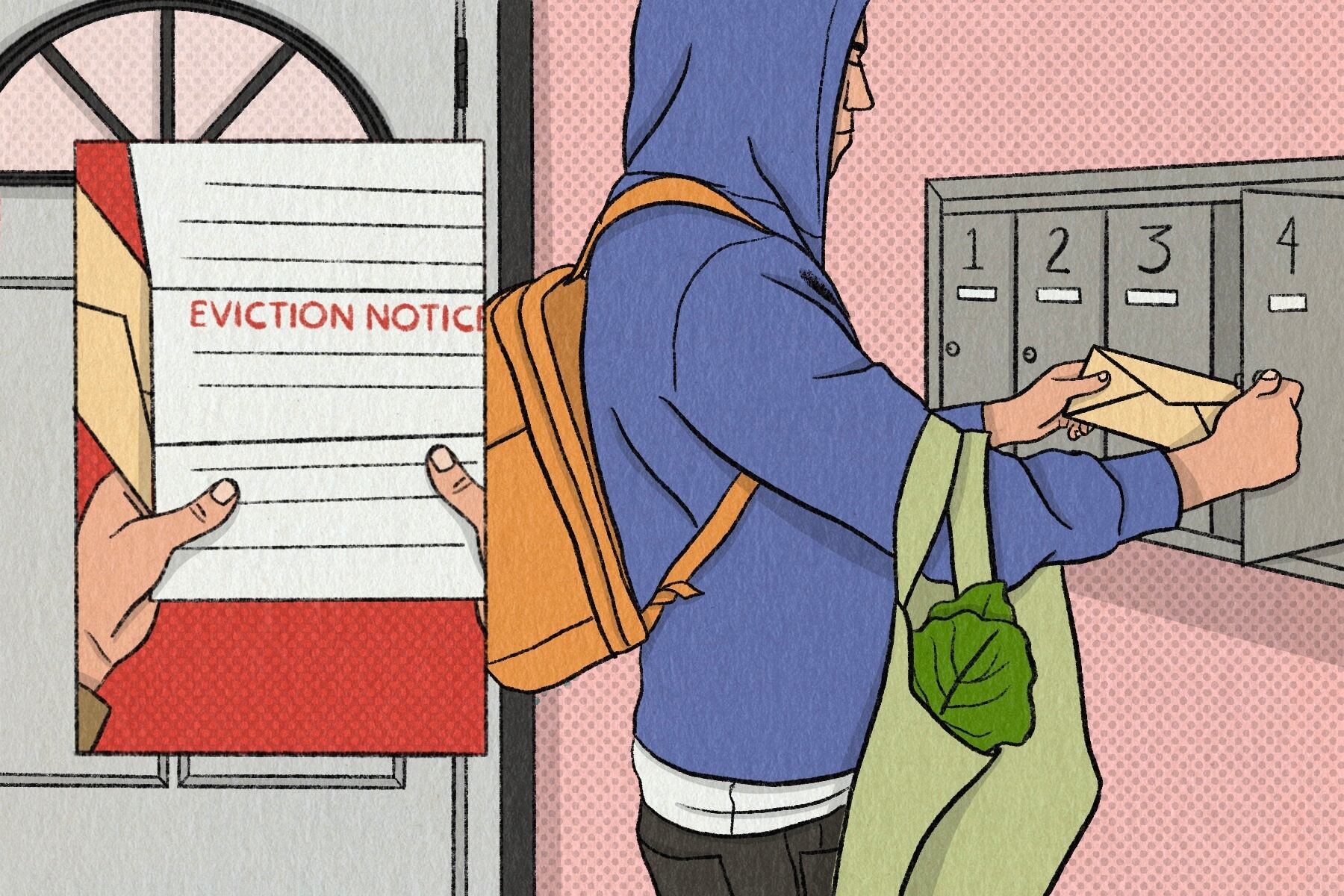
The eviction process begins when you receive a 30-day notice from your housing authority. This notice might be labeled as a “termination” or “eviction” notice. It should outline what you owe and provide instructions on how to update your income or request a hardship exemption. The notice must also include an itemized list of back rent and any penalties or fees owed. Additionally, it should explain how to switch from flat rent to income-based rent and provide details about the grievance process.
The Grievance Procedure
After receiving the 30-day notice, you can attempt to avoid eviction by requesting an informal meeting with your housing authority. This is the first step in the grievance process. It is advisable to make this request in writing by the deadline specified in the notice. During the meeting, you can discuss your situation and explore options such as a repayment plan.
If the informal meeting does not resolve the issue, you can request a formal grievance hearing. Before the hearing, you can ask for documents in your tenant file and the housing authority’s Admissions and Continued Occupancy Policy. At the hearing, you have the right to be represented by a lawyer, present evidence, and call witnesses. The decision will be made by an arbiter or panel. If you win the grievance, the housing authority cannot proceed with the eviction. If you lose, the case moves to eviction court.
Repayment Agreement
The federal government encourages housing authorities to offer repayment agreements to tenants who are behind on rent. These agreements are legally binding contracts that outline how long you have to repay your debt. While housing authorities are not required to offer these agreements, they can be a valuable tool to avoid eviction. However, signing a repayment agreement in court can result in an eviction being added to your permanent record, even if you meet all the requirements.
Repayment agreements reached in court may require you to follow strict rules set by the housing authority, such as prohibitions on smoking or maintaining your property. Failure to comply can result in immediate eviction. The federal government recommends that repayment plans do not require you to pay more than 40% of your monthly income.
Eviction Court
If the grievance process fails, or if you are not offered a repayment agreement, the housing authority may file an eviction case in court. In Maine, eviction courts do not provide attorneys for tenants, but there are several organizations that offer free or reduced-cost legal services, including Pine Tree Legal Assistance, Disability Rights Maine, Legal Services for Maine Elders, and the Volunteer Lawyers Project.
You are not required to respond to the eviction complaint before the hearing, but you must attend the court date. If you do not appear, the judge will rule against you, resulting in eviction. The court process is typically fast-paced, and there is no jury. The judge will review the evidence presented by the housing authority and any defense you may have.
Maine courts also allow for mediation on the same day as your hearing. This informal process involves an independent mediator who helps you and the housing authority reach a compromise. Mediators do not have the power to decide the case, but they can facilitate a resolution.
This guide was compiled using resources from the National Housing Law Project, Pine Tree Legal Assistance, and the Department of Housing and Urban Development. If you have been evicted in Maine, consider sharing your story with local reporters.

Posting Komentar untuk "Are You Behind on Rent in Maine? Here's What to Do If You're Facing Eviction"
Posting Komentar