
Australian Mechanic Loses $449K in Scam While Trying to Buy Home for Parents
A Dream Turned Into a Nightmare
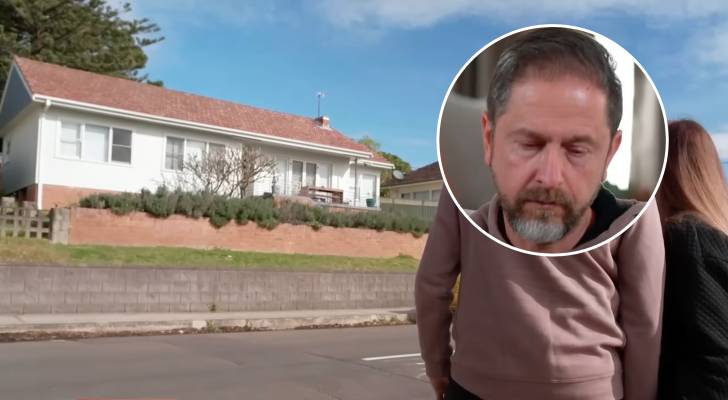
For many, the idea of giving back to their parents is a deeply cherished dream. It’s about expressing gratitude for years of love and support. For Jimmy, an Australian mechanic, this dream took on a tangible form—something that would serve as a home for his parents in their later years and also keep him close to his children. However, what began as a heartfelt gesture turned into a financial nightmare.
Jimmy walked into his local Commonwealth Bank branch with a plan: he wanted to transfer $449,000, which he had saved over 25 years, to his conveyancer to purchase a home overlooking Lake Illawarra in New South Wales. He believed that handling the transaction in person would add an extra layer of security. Unfortunately, this decision set the stage for a devastating scam.
The transfer details turned out to be fraudulent. Jimmy unknowingly followed instructions from a scammer who had intercepted his email thread with Active Property Conveyancing. Instead of sending the money through legitimate channels, he wired the entire amount directly into a scammer’s account. He didn’t realize what had happened until six days later.
“I just told the bank teller who I wanted them to pay,” he recalled. “I suppose you better do what the email says.” By the time he realized the mistake, it was too late.
The Growing Threat of Fraud
Jimmy’s story is part of a troubling trend. According to the Federal Trade Commission, consumers reported losing more than $12.5 billion to fraud in 2024—a 25% increase from the previous year. These numbers highlight a growing epidemic of online scams that are becoming increasingly sophisticated.
The scam involved a fraudulent email that mimicked communication from Active Property Conveyancing. Jimmy claims that the conveyancing firm is at fault, but the company argues that he missed a crucial instruction in the fine print. Their disclaimer clearly stated: “DO NOT act on any communication asking you to transfer or deposit funds without first contacting us by telephone.”
Commonwealth Bank also claims it took precautions. Before completing the transfer, Jimmy was shown seven scam-related warnings, including one that asked him to confirm the recipient’s banking details independently. However, he skipped this verification step, leaving him without insurance coverage for the loss.
Lessons Learned
Jimmy now believes both the conveyancing firm and the bank share responsibility for the scam. “If your system was compromised and they stole my information and sent me an email, how’s that my fault?” he asked. But the firm maintains that the fraudulent email came from a Hotmail account—not their official domain—and that the warning was clear.
This incident underscores the importance of vigilance when dealing with large sums of money, especially during real estate transactions. Scammers often target individuals during high-stress moments, exploiting their emotional investment and busy schedules.
How to Protect Yourself
To avoid falling victim to similar scams, always verify payment instructions by phone before transferring money. Use a trusted number from the contract or the company’s website, not the one in the email signature. Watch for subtle signs of fraud, such as a strange-looking email address, urgent language, or last-minute banking changes.
Many legal and real estate professionals now include disclaimers asking clients to confirm banking details by phone. When your bank gives you scam warnings before a transfer, don’t just click through. These prompts are designed to slow you down and help you double-check. Scammers count on you being too busy or emotionally invested to look closely. But when it comes to protecting your money, a little hesitation can make all the difference.
Final Thoughts
Jimmy’s story is a cautionary tale for anyone involved in real estate transactions or dealing with large sums of money. It highlights the need for awareness, verification, and a willingness to pause and think before acting. In a world where fraud is on the rise, taking these steps can mean the difference between financial security and devastation.

Posting Komentar untuk "Australian Mechanic Loses $449K in Scam While Trying to Buy Home for Parents"
Posting Komentar