
Berkshire Hathaway Slumps 14% as S&P 500 Rises 11%
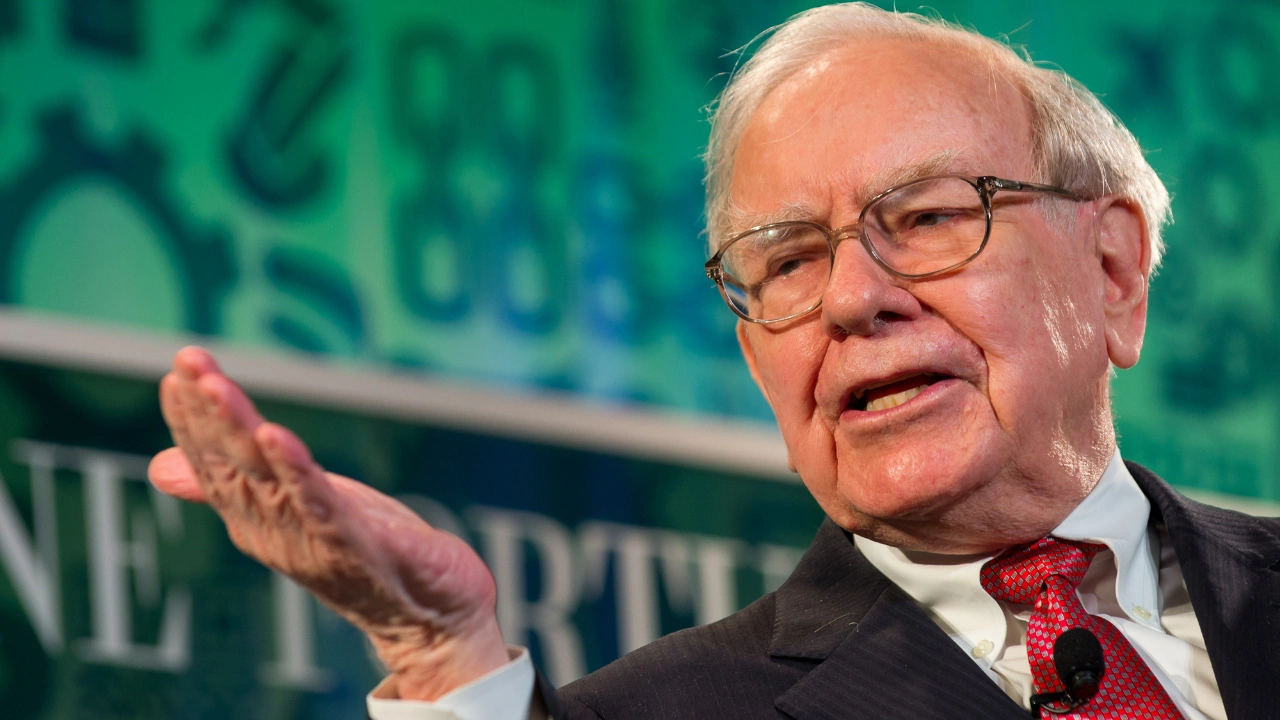
Berkshire Hathaway Faces Historic Underperformance
Berkshire Hathaway, the investment conglomerate led by Warren Buffett, is experiencing a significant decline compared to the broader market. This underperformance has been the worst in over 50 years, and it coincides with Buffett's gradual transition towards retirement. Since May 2, when Buffett announced that Greg Abel would take over as CEO, the company’s Class A shares have plummeted by 14%. For Wall Street, this drop is considered substantial.
Meanwhile, the S&P 500 has seen an 11% increase, including dividends. The 25 percentage point gap between Berkshire and the S&P 500 is the largest underperformance in more than three decades. Despite his reputation as one of the greatest investors in modern history, Buffett has spent nearly 60 years transforming Berkshire from a struggling textile company into a financial powerhouse. However, some investors who once supported his legacy are now starting to leave.
The day after Buffett’s retirement plan was made public, the stock dropped nearly 5%. This level of underperformance last occurred during the pandemic crash when financial stocks, which still make up a significant portion of Berkshire’s portfolio, were hit hard.
Shift in Investor Sentiment
As investors move away from value stocks and toward growth-oriented assets, there is a noticeable shift in the market. Berkshire’s Class A shares, which were trading at a record high of $812,855 in May, began to see selling activity. These shares are typically held by long-time families who have passed them down through generations. While the exact identity of those selling remains unclear, major institutional filings are expected later this month.
Despite the sell-off, Berkshire’s operations remain stable. The second quarter saw profit growth across several key areas, including the BNSF railroad, utility businesses, manufacturing, and retail. Operating earnings rose by 8% year-over-year, excluding currency fluctuations. However, even with these strong results, potential buyers are not showing interest.
Prior to its annual meeting in May, Berkshire’s stock had gained 18.9%, driven by concerns about market volatility, particularly related to President Donald Trump’s trade policies. Investors viewed Berkshire as a safe haven during this period. Bill Stone, chief investment officer at Glenview Trust, noted that “as the worries about tariffs started to build, there were people rotating into the safety of Berkshire.” However, since then, investors have shifted their focus back to fast-growing technology stocks.
Stone pointed out that “what is really moving in this market is technology, and we know that’s not really his thing.” He also highlighted that Berkshire’s $344 billion in cash and Treasury investments, likened to Fort Knox, has not been enough to halt the outflows.
Strategic Moves by Warren Buffett
Warren Buffett has taken steps to adjust his investment strategy. He has halted share buybacks, a decision that came as the company’s price-to-book ratio reached 1.8 times, the highest level since October 2008. Berkshire only repurchases shares when Buffett believes they are trading below their “intrinsic value.” In May, he deemed the stock overvalued, and Christopher Bloomstran, president of Semper Augustus Investments, expects Buffett to resume buybacks now that the stock has dropped again.
Instead of buying, Buffett has been selling. He offloaded a significant portion of Apple last year, and for 11 consecutive quarters, Berkshire has been a net seller of equities. By the end of June, cash accounted for 30% of Berkshire’s total assets, reflecting the company’s defensive stance.
This approach is not new for Buffett. During the dotcom boom in 1999, he avoided chasing hype, leading to poor performance relative to the Nasdaq Composite. Critics criticized him for missing the tech rally, but when the bubble burst, Berkshire remained relatively unscathed.
Looking Ahead
Cathy Seifert, an analyst at CFRA, noted that Berkshire has always had a “Warren premium,” but warned that this may not persist under Abel’s leadership. The next few quarters will be crucial in determining whether the company can maintain its legacy under new management.

Posting Komentar untuk "Berkshire Hathaway Slumps 14% as S&P 500 Rises 11%"
Posting Komentar