
Betting Big: Who's Boosting Europe's Gambling Numbers?
Growth of Online Gambling in Europe
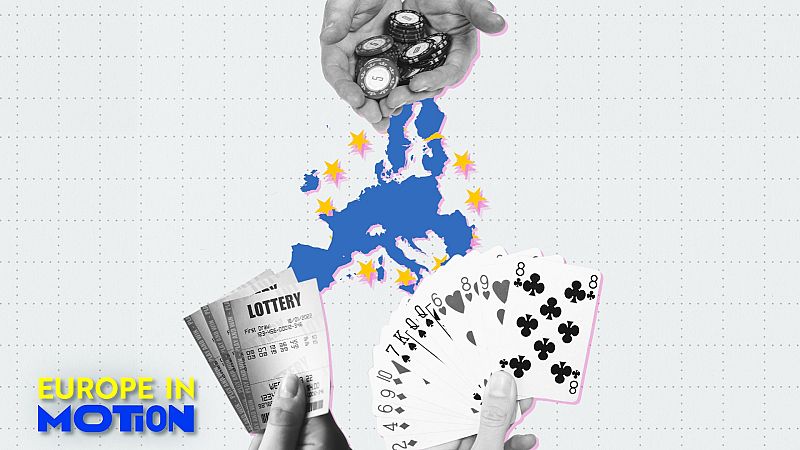
The number of customers using online gambling platforms in the European Union and the United Kingdom has seen a significant increase. Last year, the total reached 38.6 million, reflecting a 19% rise from the 32.5 million recorded in 2023. This upward trend over the past five years highlights the growing popularity of online gambling across the region.
However, this surge in participation has also led to an increase in individuals seeking help for gambling addiction. According to data from The Lancet in 2024, 54.7 million men worldwide experienced gambling disorders or problematic gambling, compared to 25.3 million women. These figures underscore the gender disparity in gambling-related issues, with men being more affected than women.
Health and Social Impacts of Gambling
The World Health Organisation (WHO) warns that gambling can lead to severe health and social consequences. These include financial stress, relationship breakdowns, family violence, mental illness, and even suicide. As the prevalence of gambling continues to rise, so too do the associated risks, prompting increased scrutiny from public health officials and policymakers.
The European Gaming and Betting Association (EGBA) represents approximately 30% of Europe's online gambling gross gaming revenue in 2024. Its members include major players such as Bet365 and Entain, which owns well-known brands like Ladbrokes and Paddy Power. These companies play a significant role in shaping the landscape of online gambling in the region.
Demographics of Gamblers
In 2024, three-quarters of online gamblers were male, marking an increase from 72% in 2023. Among women, the percentage dropped from 28% in 2023 to 25% in 2024. This shift suggests a growing male dominance in the gambling sector, although the overall number of female gamblers is still increasing.
The majority of gamblers fall within the age groups of 26–35 and 36–50, each accounting for 29% of customers. These age brackets represent the most active participants in online gambling, indicating a strong correlation between adult life stages and gambling behavior.
Market Trends and Regulatory Responses
Online casinos remain the largest contributor to the European online gambling market, generating €21.5 billion in revenue. Sports and events betting follows closely at €13.7 billion. Both sectors are projected to grow by around 7% annually until 2029, driven by increasing consumer demand and technological advancements.
In response to these trends, EU and national lawmakers are tightening regulations to address concerns about the trivialisation of gambling. For example, Germany has completely banned online gambling, while other member states allow it only under strict conditions. These measures aim to protect vulnerable populations and reduce the negative impacts of gambling on society.
Gambling Among Young Students
Despite legal restrictions, underage gambling remains a concern. A 2024 study conducted by the European School Survey Project on Alcohol and Other Drugs (ESPAD) found that, on average, 23% of students aged 15–16 across 37 European countries reported having gambled for money in the past 12 months. This includes both in-person and online activities involving games of chance such as slot machines, card games, lotteries, and sports betting.
Italy has the highest rate of student gambling at 45%, followed by Greece at 36%. In contrast, Georgia reports the lowest rate at 9.5%. A 2025 study by Italian researchers using ESPAD data revealed that Southern European and Balkan countries have high rates of student gambling, while Eastern European countries show medium levels. Scandinavian and Central European countries predominantly fall into the low-prevalence group.
Gender Disparities and Rising Participation
Experts have noted that while women are less likely to start gambling, they tend to progress to problem gambling more quickly. This pattern highlights the need for targeted interventions and support systems for female gamblers.
Online gambling has also seen a notable increase among young people. Participation rates among boys have grown by more than half, rising from 13% in 2019 to 20% in 2024. Among girls, the increase is even more dramatic, tripling from 2.7% in 2019 to 8.7% in 2024.
The percentage of student gamblers exhibiting potentially harmful gambling behaviors has nearly doubled, from 4.7% in 2019 to 8.5% in 2024. While this proportion remains higher among boys, the increase is more pronounced among girls.
Researchers Elisa Benedetti, Gabriele Lombardi, Rodolfo Cotichini, Sonia Cerrai, Marco Scalese, and Sabrina Molinaro emphasized that environmental and contextual factors play a more significant role in initiating gambling behavior, while individual characteristics have a greater impact on the likelihood of being at risk. This insight underscores the importance of addressing both external influences and personal vulnerabilities in combating gambling-related harm.

Posting Komentar untuk "Betting Big: Who's Boosting Europe's Gambling Numbers?"
Posting Komentar