
Boost AI Adoption While Keeping Employees Content
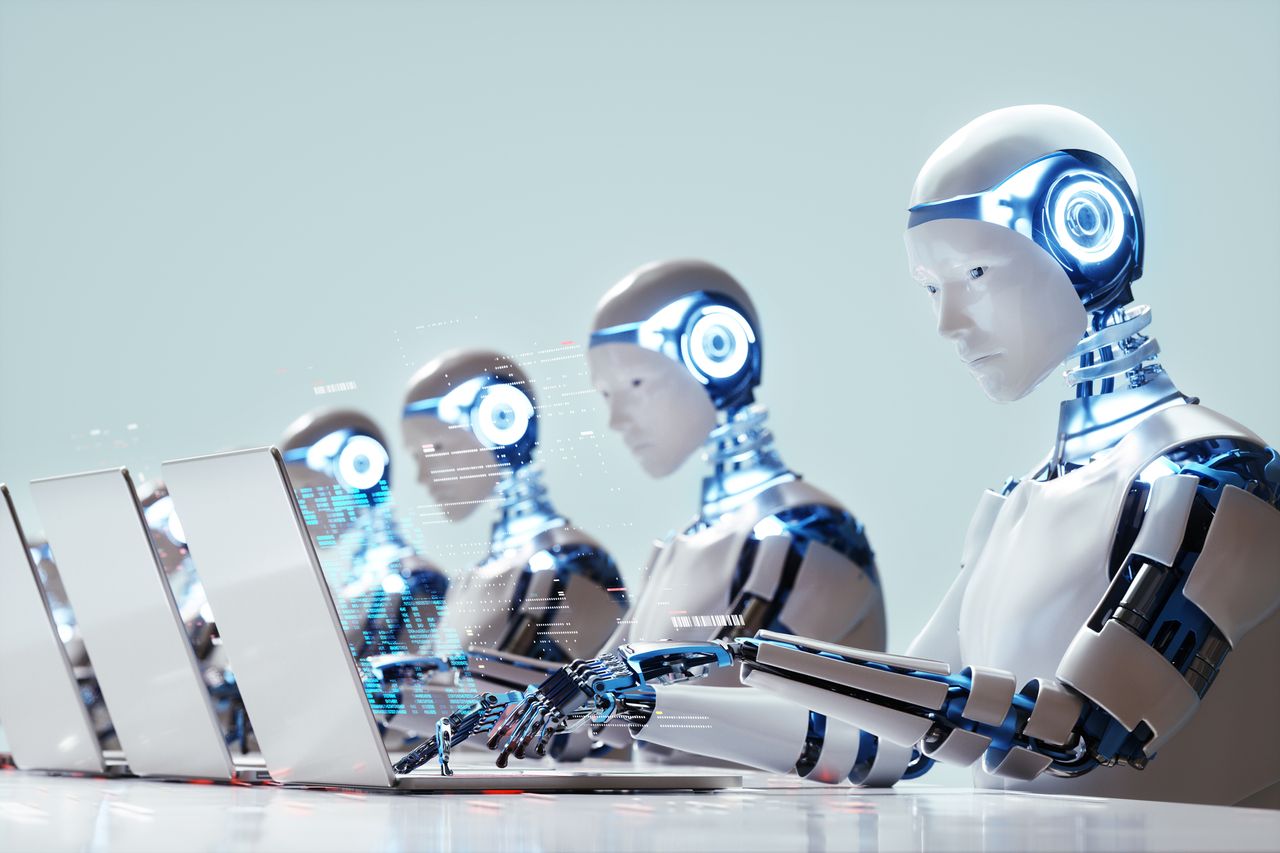
Understanding the Impact of AI on Business and Workforce Dynamics
Artificial Intelligence (AI) is rapidly transforming the business landscape, offering significant potential for growth, efficiency, and innovation. However, with these advancements come new challenges that companies must address to ensure sustainable success. While many businesses focus on the return on investment (ROI), cost savings, and productivity gains from AI, there is a growing need to evaluate how these technologies affect employee satisfaction, skill development, and overall company culture.
The Human Element in AI Adoption
Neil Osmond, an analyst at Gartner, highlights that AI is creating a unique human-machine relationship unlike previous technological shifts, such as the adoption of personal computers or the internet. As AI chatbots become more humanlike, they can elicit emotional responses from employees, ranging from happiness to frustration. This goes beyond concerns about job loss and includes worries about losing parts of a job that workers value.
Managers should shift their focus from purely ROI metrics to understanding how AI tools influence employee engagement and productivity. Involving affected employees in shaping the role of AI in their jobs is crucial. Simply providing AI tools like Google’s Gemini or Microsoft Copilot without proper guidance may not yield the desired outcomes. Instead, companies should ask employees how AI is changing their work and what they like or dislike about the transition.
The Risk of Skill Erosion
As AI takes over more day-to-day tasks, there is a risk of skill erosion among employees. According to Gartner, 75% of frontline cybersecurity teams will experience a decline in skills by 2030 due to increased reliance on AI. This trend is already causing concerns about a potential skills shortage in the cybersecurity field.
Jeremy D'Hoinne, another Gartner analyst, notes that generative AI is taking over more tasks, which could lead to a loss of institutional knowledge. Companies must identify and cultivate essential skills that cannot be replaced by AI. For example, AI may handle email filtering, meeting summaries, document creation, and legal drafting, but human expertise remains vital for decision-making and critical thinking.
Balancing AI Tools and Employee Development
To mitigate the risks associated with AI, companies should invest in employee education and training. Providing short, engaging content such as six-minute videos on using AI for writing, two-minute clips on research techniques, or infographics on creating presentations can help employees adapt effectively. These resources should be tailored to different learning styles and skill levels.
It is also important to consider how AI affects performance evaluations and career progression. For instance, AI tools can make new employees as productive as experienced ones, potentially altering traditional career trajectories. Ensuring equal access to AI tools across the workforce is essential to avoid feelings of jealousy or unfairness.
The Role of Human Judgment in AI Systems
Human knowledge remains critical in refining and improving AI systems. In fields like cybersecurity, human judgment is necessary to filter out false positives and enhance automated tools. Job postings may need to emphasize non-AI skills, especially for entry-level positions, to ensure a balanced workforce.
New college graduates are likely to have more experience with AI, but overreliance on it poses a risk. Companies should encourage a blend of AI usage and human expertise to maintain a competitive edge.
Conclusion
The integration of AI into the workplace represents a seismic shift that requires careful consideration. While AI offers numerous benefits, businesses must remain vigilant about its impact on employee morale, skill development, and company culture. By fostering collaboration between humans and AI, companies can harness the full potential of these technologies while maintaining a motivated and skilled workforce.

Posting Komentar untuk "Boost AI Adoption While Keeping Employees Content"
Posting Komentar