
Brazil's President Rejects US Tariff Reciprocity in Reuters Interview
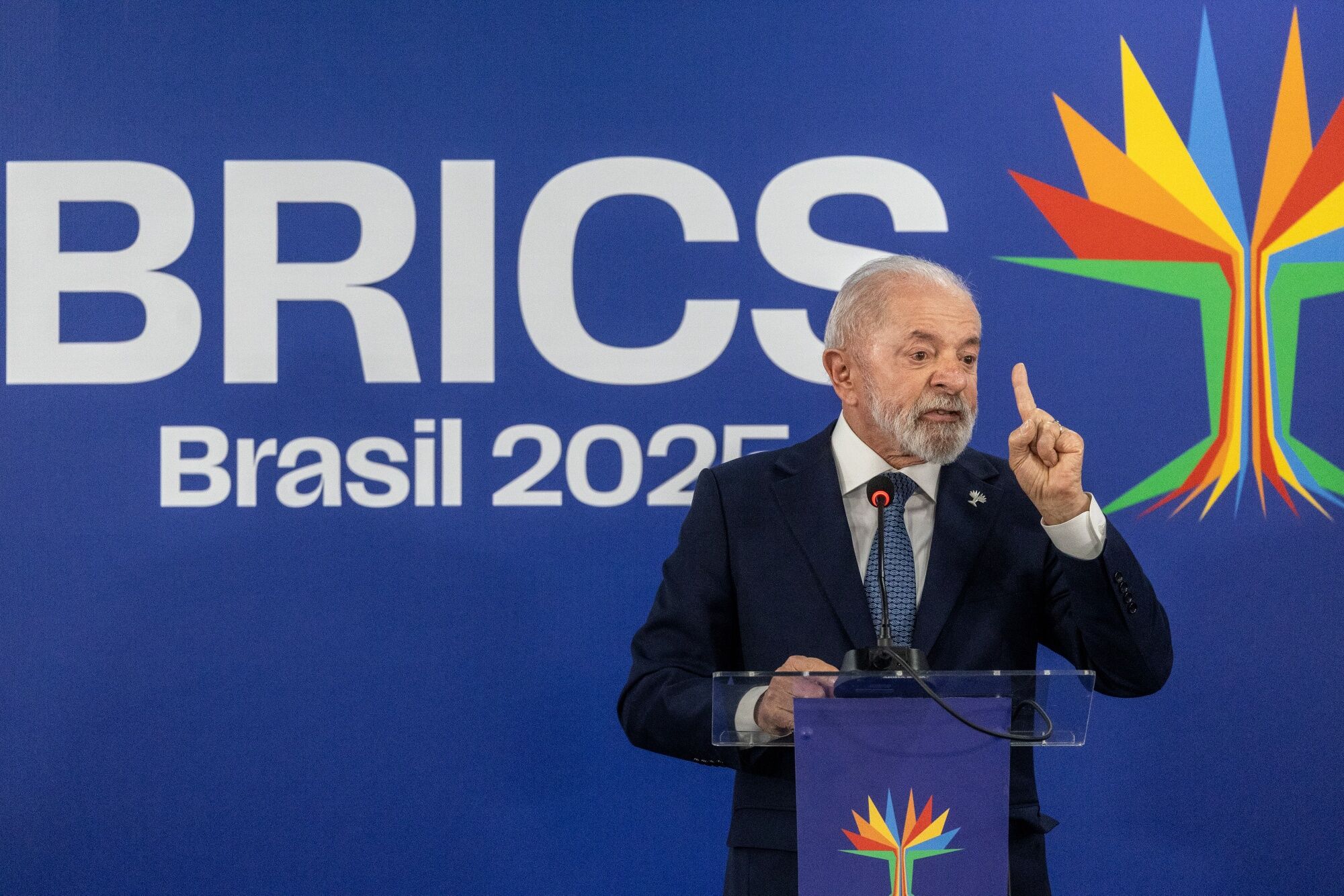
Brazil's Approach to US Tariffs and International Relations
Brazil has taken a measured approach in response to the recent trade levies imposed by the United States. President Luiz Inacio Lula da Silva has made it clear that his administration will not retaliate against the US with reciprocal tariffs, despite the 50% increase on Brazilian goods under former President Donald Trump’s policies. Instead, Lula is focusing on building support within the BRICS bloc, which includes India, China, and other emerging market nations, to develop a unified response to these trade challenges.
Lula plans to reach out to Indian Prime Minister Narendra Modi, who is also facing increased trade restrictions from the US, to discuss potential collaborative actions. This move highlights Brazil’s strategy of seeking alliances with key partners to counterbalance the impact of US trade policies. A government official confirmed that Lula will speak with Modi on Thursday, although details of the conversation remain confidential due to the sensitive nature of the discussions.
The situation escalated when Trump placed Brazil at the center of his global trade war last month. He threatened to impose higher tariffs unless Brazil’s Supreme Court halted the trial of former President Jair Bolsonaro, who is accused of attempting a coup. These new tariffs took effect on Wednesday, following a week in which Trump exempted nearly 700 products from the increased rate. Despite this, the overall impact on Brazilian exports remains significant.
Lula has criticized Trump for interfering in Brazil’s domestic affairs and violating its sovereignty. His government has been working to negotiate with the US while simultaneously preparing contingency measures to support businesses affected by the higher tariffs. The president has emphasized that he will only consider retaliation after exhausting all other options. Recently, Brazil submitted a request for consultations with the US at the World Trade Organization, signaling a commitment to resolving the issue through formal channels.
Lula has also reiterated that he will only engage directly with Trump if there is an opportunity for meaningful negotiations. However, he has no intention of humiliating himself in the process. For now, he is relying on officials such as Vice President Geraldo Alckmin and Finance Minister Fernando Haddad to handle direct communications with US authorities. Haddad is scheduled to meet with US Treasury Secretary Scott Bessent next week.
“I have no reason to call Trump because in the letters he sends, in the decisions, he never talks about negotiations, what he talks about is new threats,” Lula said during an interview, highlighting the lack of progress in discussions with US officials. “Whenever they want to talk, let’s talk.”
In addition to engaging with the US, Brazil has been actively expanding its commercial relationships with other markets. Lula has prioritized strengthening ties with China, India, Southeast Asia, and BRICS partners. This strategy reflects a broader effort to diversify trade partnerships and reduce dependency on the US market.
The BRICS bloc has also criticized Trump’s use of tariffs and military actions against Iran during its recent leaders’ summit in Rio de Janeiro. In response, Trump threatened higher levies against BRICS members, accusing them of “anti-American” policies. Lula seized the opportunity to host Modi in Brasilia, where he discussed ways to deepen trade ties between Brazil and India.
As Brazil navigates these complex international dynamics, the focus remains on finding diplomatic solutions while safeguarding national interests. The country’s approach underscores a commitment to multilateral cooperation and strategic diplomacy in the face of evolving global trade challenges.

Posting Komentar untuk "Brazil's President Rejects US Tariff Reciprocity in Reuters Interview"
Posting Komentar