
California Launches $55M Program to Boost EV Fast Charging Access
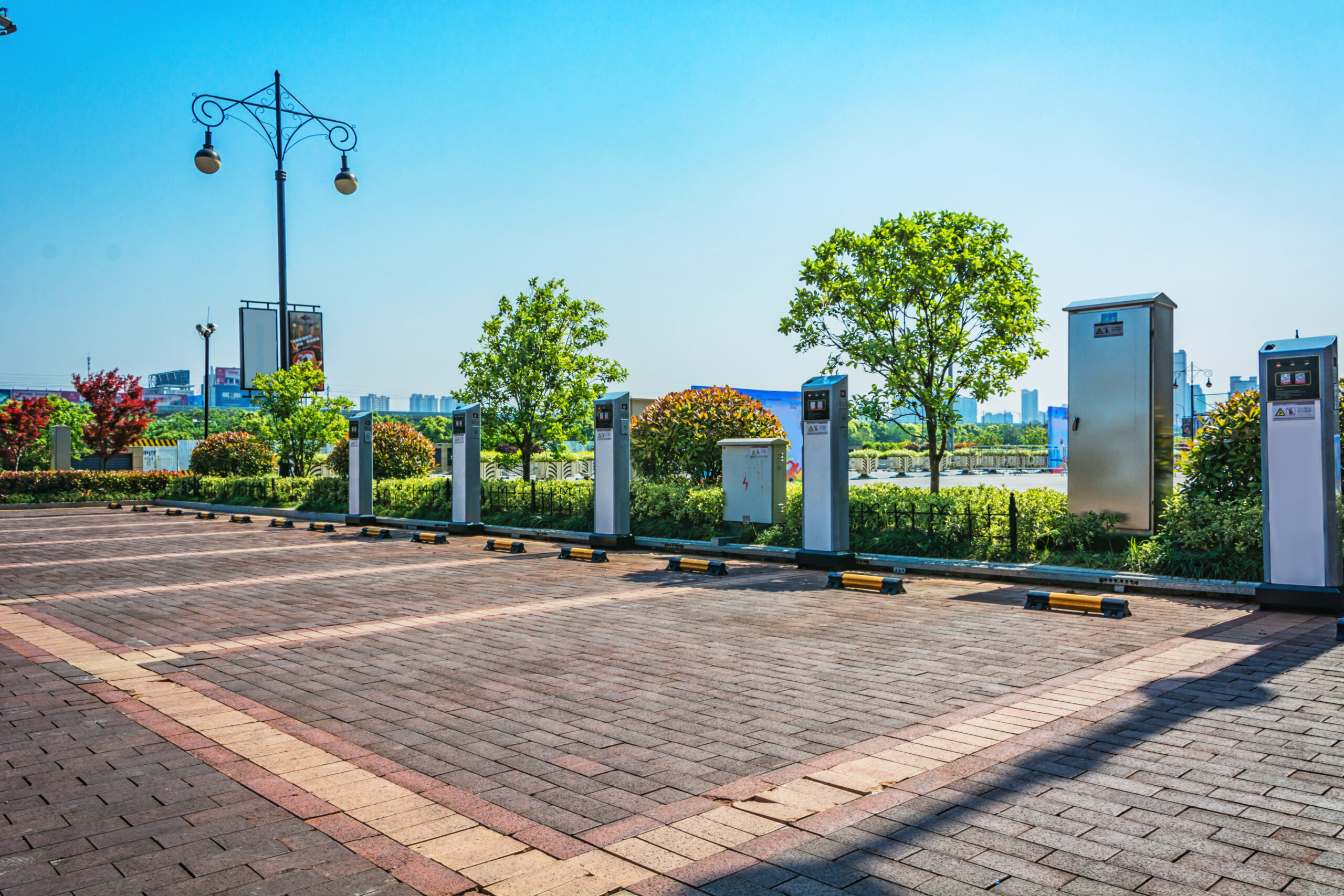
California Leads the Way in Electric Vehicle Infrastructure
As the federal government in the United States continues to lag behind in its support for electric vehicles (EVs) and EV charging infrastructure, California stands out as a beacon of progress. The state has taken bold steps to ensure that it remains at the forefront of the transition to clean energy and sustainable transportation.
The U.S. has fallen significantly behind China in terms of EV sales and the number of charging stations. In fact, Guangdong Province alone has more EV chargers than the entire United States. This gap highlights the urgent need for action, which California is addressing with innovative programs like the Fast Charge California Project.
Launch of the Fast Charge California Project
On August 5, 2025, the California Energy Commission (CEC) announced the launch of the Fast Charge California Project. This initiative offers a $55 million incentive, covering up to 100% of the installation costs for electric vehicle fast chargers at businesses and public sites across the state. Applications for this program will be accepted through October 29, 2025.
Part of the California Electric Vehicle Infrastructure Project (CALeVIP), which is the largest EV charging incentive initiative in the U.S., the new statewide program provides up to 100% of eligible installation costs for direct current fast chargers at qualifying public and business locations.
Since 2017, CALeVIP has helped install nearly 10,000 EV chargers statewide, playing a critical role in supporting California’s shift toward electric mobility. With over 2.2 million light-duty EVs already on the road, the demand for accessible and widespread fast charging infrastructure has never been greater.
Prioritizing Equity and Readiness
The Fast Charge California Project places a strong emphasis on equity, ensuring that all Californians benefit from the EV transition. Projects located in tribal areas, disadvantaged communities, and low-income communities will be given top priority. These regions have historically lacked access to charging infrastructure and face significant barriers to clean transportation.
Hannon Rasool, director of the CEC’s Fuels and Transportation Division, emphasized the importance of this focus: “This is the biggest CALeVIP project ever. It’s the first to be statewide. And, it’s the first to cover up to 100% of eligible costs.” He added that installing more fast chargers is vital to California’s zero-emission vehicle transition, with projects in disadvantaged communities receiving top priority.
Eligible installation sites include high-traffic, publicly accessible locations such as gas stations, convenience stores, retail shopping centers, parking lots and garages, and other commercial sites that serve the public.
To qualify for funding, proposed projects must be shovel-ready, meaning all required permits must be in place and a final utility service design must be completed before applying.
Funding Breakdown
The Fast Charge California Project offers substantial financial support per charging port, with different incentive levels based on charging power:
- $55,000 per port for chargers delivering 150 to 274.99 kilowatts (kW)
- $100,000 per port for chargers delivering 275 kW or more
Total funding per site can cover up to 100% of eligible costs, capped at $100,000 per port. This level of financial support significantly lowers the barrier for businesses and property owners to install fast chargers, which are typically more expensive and complicated to deploy than slower charging options.
Evan Wright, director of EV infrastructure and operations at the Center for Sustainable Energy (CSE), which administers the program, stated: “State-funded incentives are essential for the rapid and equitable expansion of California’s electric vehicle charging network. This program is designed to get fast chargers in the ground… fast.”
Backed by Climate Investments
Funding for the Fast Charge California Project comes from the CEC’s Clean Transportation Program and the state’s Greenhouse Gas Reduction Fund. This fund reinvests proceeds from California’s cap-and-trade program into initiatives that reduce emissions and support environmental justice.
These investments align with Governor Gavin Newsom’s executive order that all new passenger vehicles sold in California be zero-emission by 2035. Achieving this goal requires not only the availability of electric vehicles but also a reliable and equitable charging network across the state.
How to Apply
Applicants must meet all eligibility requirements and submit their proposals through the Fast Charge California Project webpage before the October 29 deadline. Detailed application instructions, technical requirements, and site selection guidance are available on the site.

Posting Komentar untuk "California Launches $55M Program to Boost EV Fast Charging Access"
Posting Komentar