
Can Hydrangeas Last Longer? 6 Proven Tricks Tested
Preparing Hydrangeas for Long-Lasting Vase Life
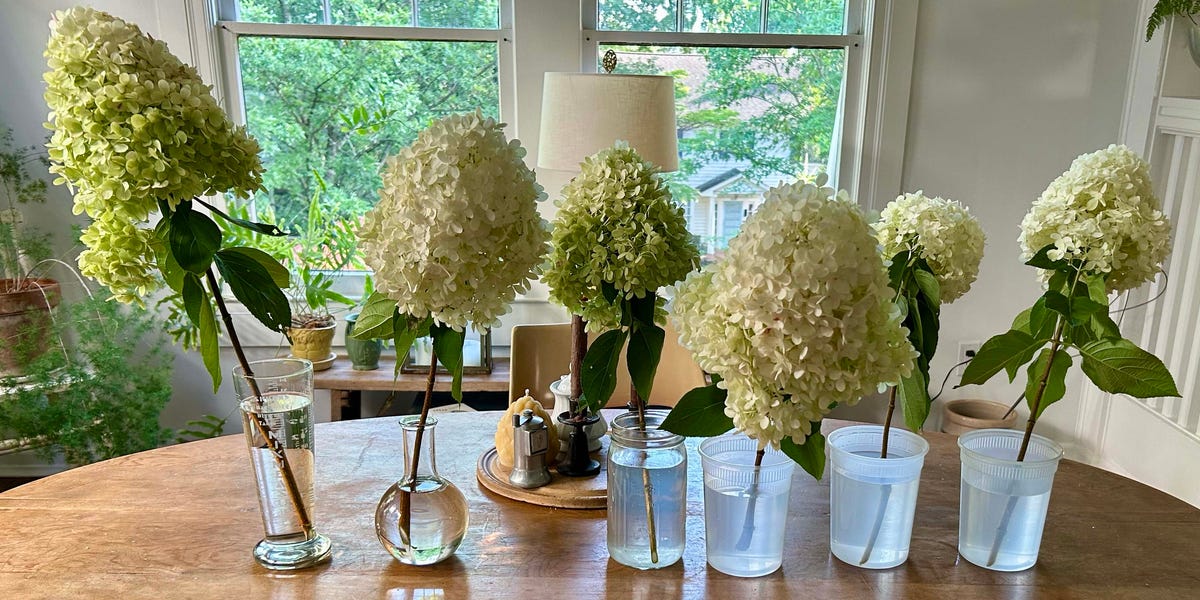
I have four large 'Limelight' hydrangea shrubs in my yard. Each winter, I trim them back and provide necessary fertilization, and every year, they produce stunning blooms—some as large as my head! While I usually leave most of the flowers on the plants to enhance the appearance of my yard, I occasionally cut a few to place in a vase on the table or kitchen island, especially when we have guests. Typically, these blooms last a few days, but I was curious if there were ways to make them last even longer.
After some research online, I found several methods for cutting and treating hydrangeas. I decided to test a few of them to see which ones worked best. It's important to note that I only tested these methods on 'Limelight' hydrangeas, a type of Hydrangea paniculata. Other varieties, such as bigleaf (Hydrangea macrophylla) or smooth hydrangeas (Hydrangea arborescens), might respond differently. If you've tried other methods on those types, feel free to share what works!
Steps to Prepare Hydrangea Stems
Before testing any methods, I made sure to prepare the hydrangea stems in the same way for each trial. Here are the steps I recommend:
- Cut the flowers during the coolest part of the day, either early morning or late evening.
- Make a 45-degree angle cut on the stem to increase surface area for water uptake.
- Remove most of the leaves from the stem, especially those that would sit below the waterline in the vase. This helps reduce bacterial growth, which can cause the flowers to wilt faster.
Methods Tested to Extend Vase Life
Here are the six different methods I tested for keeping hydrangeas fresh in a vase:
- Dip the Stem in Boiling Water
- Warm Water Version: Cut the stem at a 45-degree angle, remove leaves, dip the stem in boiling water for 5 seconds, then place it in warm tap water.
-
Cold Water Version: Same steps, but place the stem in cold tap water instead.
The boiling water method is commonly used for preserving flowers. The idea is that the hot water helps dissolve sap or air bubbles that may block water uptake, making it ideal for woody stems like Hydrangea paniculata. -
Treat the Stems with Alum Powder
- Alum + Warm Water: Cut the stem at a 45-degree angle, remove leaves, dip the cut end in alum powder, then place it in warm tap water.
-
Cold Water Version: Same steps, but use cold tap water instead.
Alum (potassium aluminum sulfate) is often recommended for hydrangeas. It prevents the stem from sealing up, allowing water to flow freely through the stem. -
Use Flower Food in the Water
- Warm Water plus flower food: Cut the stem at a 45-degree angle, remove leaves, and place it in warm tap water treated with flower food (I used Floralife).
- Cold Water plus flower food: Same steps, but use cold tap water instead.
Commercial flower food typically contains sugar, citric acid, and a biocide. These ingredients help extend the life of cut flowers by providing nutrients, lowering pH, and preventing bacterial growth.
Results of the Experiment
I prepared and tested the flowers on July 17. For the first three days, there were no noticeable changes. On day seven, the blooms still looked great—no wilting! Some leaves had begun to dry out, but the flowers remained full and vibrant. To my surprise, all the methods worked equally well, extending the vase life of my hydrangeas from just a few days to over a week. Since there wasn’t a clear winner, I plan to continue using the boiling water dip followed by cold water. It’s effective and doesn’t require any additional purchases, which is perfect since my garden tools are already full!

Posting Komentar untuk "Can Hydrangeas Last Longer? 6 Proven Tricks Tested"
Posting Komentar