
Cartel Exploits Rap Concerts to Launder Drug Cash, Feds Claim
The Cartel del Noreste and the Use of Music for Money Laundering
The Cartel del Noreste, a notorious drug trafficking organization in Mexico, has been found using the concerts of an associated rapper named “El Makabelico” to launder its illicit earnings. This revelation was made public by the U.S. Treasury Department, which announced the findings on Wednesday. According to officials, the cartel took 50% of the royalties from online-streamed concerts, leveraging the music industry as a cover for their criminal activities.
El Makabelico, whose real name is Richardo Hernandez Medrano, is a well-known figure in the narco-rap scene in Mexico. His association with the cartel highlights how organized crime groups often exploit legitimate sectors to mask their illegal operations. The Treasury Department emphasized that such tactics are essential for cartels to conceal their profits from drug and human trafficking.
The Role of the Cartel in the U.S.-Mexico Border
The Cartel del Noreste, formerly known as Los Zetas, is recognized as one of the most violent drug trafficking organizations in Mexico. It was designated as a foreign terrorist organization by the Trump administration. The group exerts significant influence over the U.S.-Mexico border, particularly at the Laredo, Texas, port of entry. This strategic position allows the cartel to traffic drugs, weapons, and people across the border with relative ease.
In connection with the money laundering scheme involving El Makabelico’s concerts, the Treasury Department sanctioned four high-ranking members of the cartel. These individuals played critical roles in the organization's criminal activities, including assassinations, beheadings, drug trafficking, extortion, and money laundering.
Key Figures Sanctioned by the Treasury Department
Abdon Frederico Rodriguez Garcia, Antonio Romero Sanchez, and Francisco Daniel Esqueda Nieto were among those sanctioned. Each of them held significant positions within the cartel and was directly involved in various criminal acts.
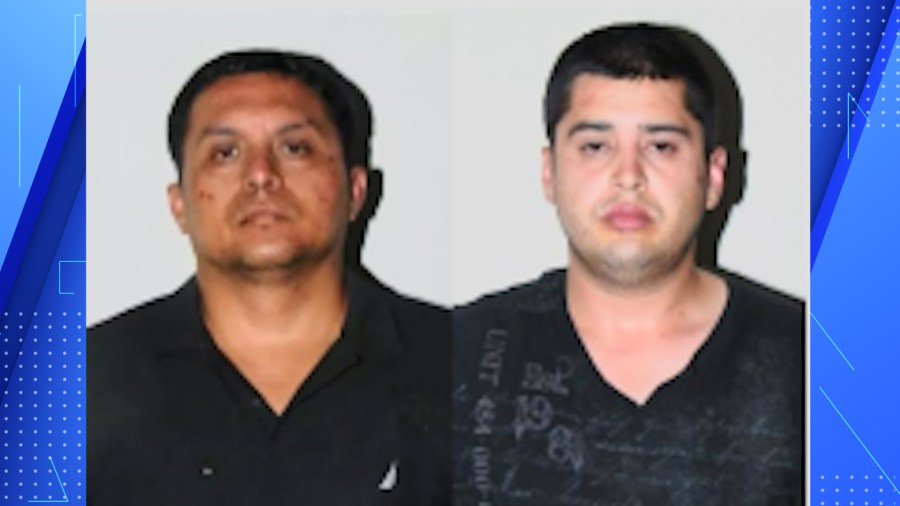
Abdon Frederico Rodriguez Garcia, also known as “Cucho,” served as the second-in-command in the cartel. He was implicated in drug trafficking, money laundering, fuel theft, and extortion. Rodriguez had previously been arrested in 2013 alongside Miguel Trevino Morales, a former leader of the Cartel del Noreste. Morales, known as “Z-40,” had been a member of the group since it operated under the name Los Zetas.
Antonio Romero Sanchez, referred to as “Romeo,” is a high-ranking member who has led cartel operations in Mexican border cities. A former police officer from Tamaulipas, he has been linked to multiple assassinations, beheadings, and the attempted assassination of a local government official earlier this year.
Francisco Daniel Esqueda Nieto, known as “Franky Esqueda,” took control of the cartel’s tactical operations in Nuevo Laredo after the arrest of CDN leaders earlier this year. He is responsible for an assault on a member of Mexico’s Army, according to federal authorities.
The Treasury Department’s Commitment to Combating Cartels
Treasury Secretary Scott Bessent stated that under President Trump, the department remains committed to targeting terrorist drug cartels. He emphasized the need to protect America by addressing the flow of fentanyl and human trafficking along the southwest border.
Bessent noted that the Treasury Department, in collaboration with federal law enforcement agencies such as Homeland Security Investigations and the Drug Enforcement Administration, is dedicated to a “full-frontal assault” on these organizations. This includes targeting their leadership and revenue streams to disrupt their operations.
The actions taken by the Treasury Department reflect a broader strategy to dismantle the financial infrastructure of dangerous criminal organizations. By sanctioning key figures and exposing their methods, the agency aims to weaken the power of these groups and reduce their impact on both the U.S. and Mexico.

Posting Komentar untuk "Cartel Exploits Rap Concerts to Launder Drug Cash, Feds Claim"
Posting Komentar