
Delta Bans Data Use for AI Ticket Pricing, Yet Privacy Concerns Remain
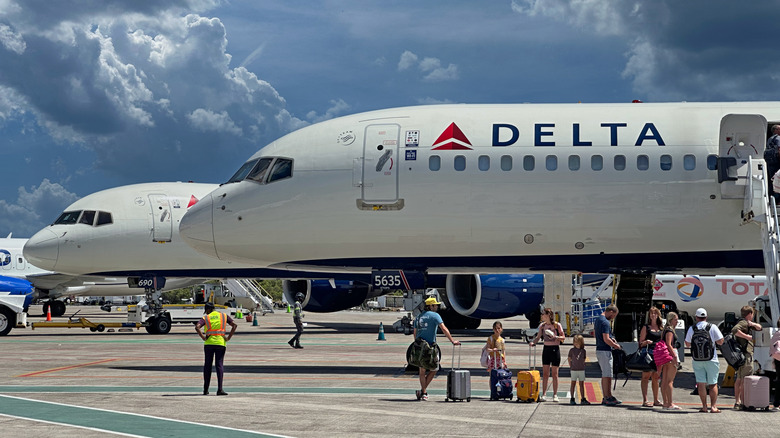
Delta Air Lines and the Use of AI in Ticket Pricing
A few weeks ago, Delta Air Lines made headlines when it revealed during an earnings call that its pilot program using artificial intelligence (AI) to set ticket prices had delivered "amazingly favorable" results. The program, which involved only 3% of fares, was a small test, but Delta indicated it plans to expand this AI-driven pricing model to cover up to 20% of its fares by the end of the year.
This announcement sparked immediate concern among privacy advocates and U.S. lawmakers, who worried about the potential for predatory pricing enabled by AI. The fear is that such technology could determine how much a traveler is willing to pay based on personal data, leading to unfair or exploitative pricing practices.
The concerns are not unfounded. In a world where AI models can already guess the age of a YouTube or Google account user from the data collected about them, the idea of airlines using similar techniques to set ticket prices raises serious questions about data privacy and consumer protection.
Lawmakers Raise Concerns
Following Delta’s disclosure, Democratic Senators Ruben Gallego, Mark Warner, and Richard Blumenthal sent a letter to Delta CEO Ed Bastian expressing their worries about the airline's use of AI for fare pricing. The letter, dated July 21, stated that Delta’s current and planned individualized pricing practices pose both data privacy risks and could lead to fare increases tailored to each customer’s “personal pain point,” especially at a time when many American families are already struggling with rising costs.
Delta responded to the letter last week, stating that it would not use personal data to set prices with AI. This response was seen as a positive step, but it left many questions unanswered. The airline has yet to clarify how its AI system determines dynamic price offers shown to specific customers. As a result, privacy concerns continue to linger.
Delta's Response and Compliance Claims
A Delta representative told ABC News that the airline’s AI ticketing system is in compliance with regulations around pricing and disclosures. The company denied using individual information about customers in its AI program, emphasizing that no fare product is being tested that is based on personal data. Instead, Delta said market forces drive the dynamic pricing model that has been used in the industry for decades.
This statement aligns with Delta’s response to the lawmakers, as reported by Reuters. A copy of the letter sent by Delta to the three senators included the claim: “There is no fare product Delta has ever used, is testing, or plans to use that targets customers with individualized prices based on personal data. Our ticket pricing never takes into account personal data.”
The airline also pointed out that dynamic pricing has been in use for over three decades, with factors like demand, fuel costs, and competition influencing ticket prices. According to Delta, AI will simply streamline the process by analyzing existing data more efficiently and responding faster to changing market conditions.
New Legislation Proposal
While the senators praised Delta’s disclosures, they also expressed lingering concerns about the airline’s AI practices when it comes to setting dynamic prices for fares. Senator Gallego noted that Delta appears to be sending conflicting messages to investors and the public. If the airline is indeed using aggregated data rather than individualized data, that would be a welcome development.
Reuters also reported that Democratic lawmakers Greg Casar and Rashida Tlaib introduced new legislation last week aimed at preventing companies from using AI to set prices or wages based on Americans’ personal data. The proposed law would specifically target airlines, banning them from raising prices after collecting personal data from users.
Government Scrutiny and Potential Risks
Delta is still facing questions about what kind of data it feeds into its AI system to create dynamic prices that are described as “amazingly favorable.” On Tuesday, Reuters reported that U.S. Transportation Secretary Sean Duffy expressed concerns about the use of AI for personalized airline ticket prices. He warned that if any company attempts to use AI to individually price seats based on income, identity, or other personal factors, the department will investigate.
Duffy said he would take Delta’s response at face value for now, indicating no immediate investigation is planned. However, his comments signal that the government is watching closely to prevent AI from being used for price gouging. Without proper oversight, AI could allow companies to become more profitable by analyzing user data and setting higher price points.
The Broader Implications
The legislation introduced by Casar and Tlaib references a January report from the Federal Trade Commission (FTC), which found that retailers often use personal user information to set prices. The report includes a hypothetical example of a new parent seeing higher-priced baby thermometers based on data collected by a store.
In their letter to Delta, the three senators referenced a caution from former FTC Chair Lina Khan, who warned about the possibility of an airline using AI to charge higher fares to passengers “because the company knows that they just had a death in the family and need to fly across the country.” The opacity surrounding Delta’s pricing model raises concerns about such scenarios becoming reality.
The senators reminded the public of statements from Delta officials, including Delta President Glen Hauenstein, who mentioned that the airline’s AI price-setting technology is capable of determining fares based on a prediction of “the amount people are willing to pay for the premium products related to the base fares.”
According to Fetcherr CEO Roy Cohen, the technology behind this determination is trained using “all the data we can get our hands on.” These comments from officials involved in Delta’s AI initiatives suggest that the airline needs to provide more transparency about the type of data it uses to set dynamic prices.

Posting Komentar untuk "Delta Bans Data Use for AI Ticket Pricing, Yet Privacy Concerns Remain"
Posting Komentar