
Disney stock drops as linear TV decline disappoints investors
Strong Earnings, Mixed Reactions
Disney reported strong results for its fiscal third quarter, surpassing expectations thanks to continued success in its domestic parks business and a shift to profitability in its streaming division. However, the company's stock closed down nearly 3% due to concerns over a significant decline in its linear TV segment and an outlook that didn't fully satisfy investors.
Disney raised its full-year profit forecast to $5.85 per share, up from the previous estimate of $5.75. Despite this positive adjustment, some Wall Street analysts felt the outlook was not as robust as expected. Brandon Nispel, an analyst at KeyBanc, noted that while there were bright spots in the quarter, weaker performance in parks and streaming could lead to increased scrutiny ahead of the company’s fiscal 2026 guidance.
ESPN Expands with Major Deals
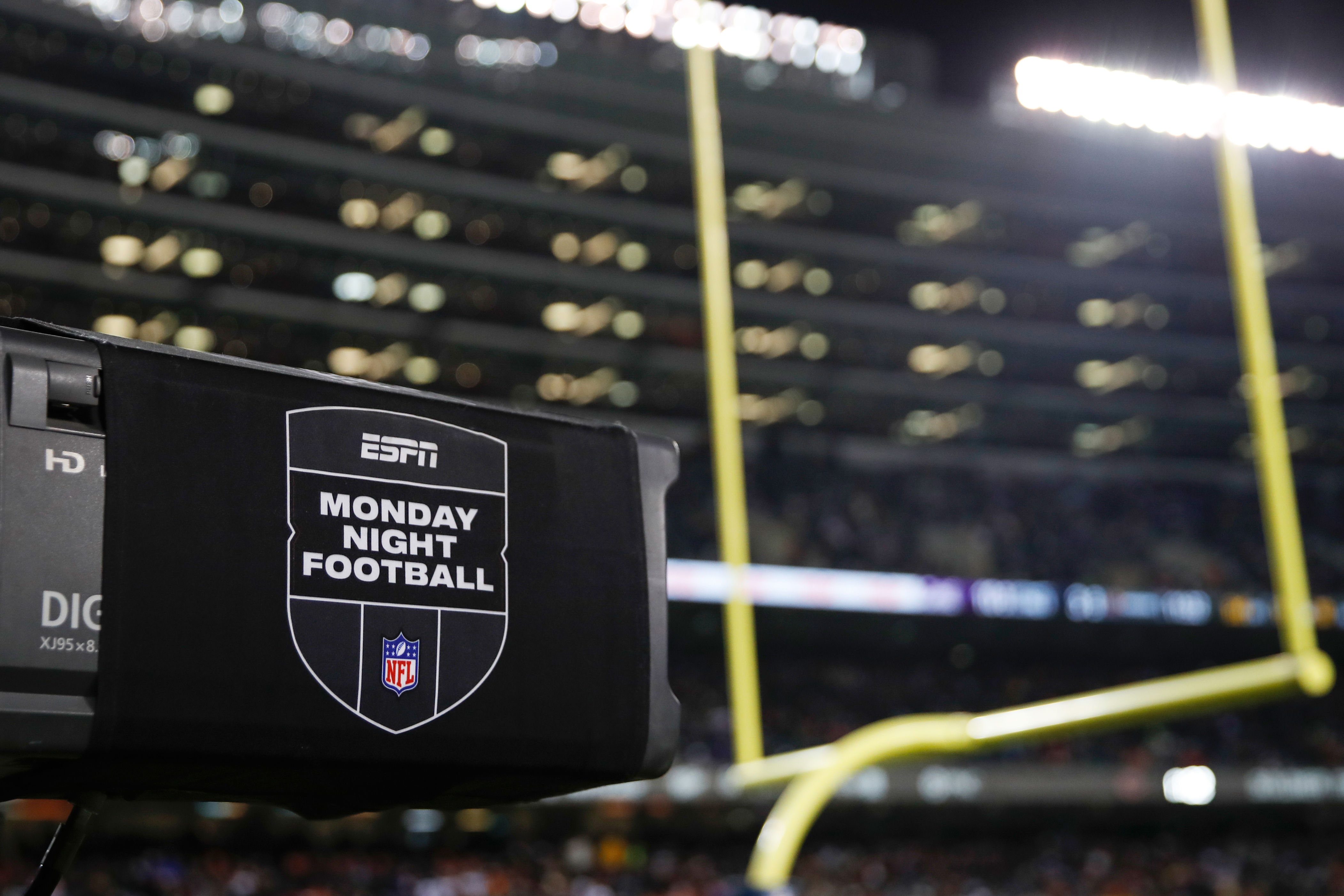
Before its earnings report, Disney confirmed earlier reports that ESPN had reached a preliminary deal to acquire key NFL Media assets, including NFL Network, NFL RedZone, and NFL Fantasy, in exchange for a 10% equity stake in the network. Alongside the sale of NFL Network, the league and ESPN also agreed on a separate deal where the league will license certain NFL content and intellectual property to ESPN for use across NFL Network and related assets.
This announcement comes as ESPN prepares to launch a new standalone service on August 21, which is set to cost $29.99 per month. The NFL agreement follows another major rights deal: ESPN will become the exclusive US streaming home of WWE Premium Live Events, including WrestleMania and SummerSlam, starting in 2026. This move is seen as a step toward strengthening the content lineup for its direct-to-consumer (DTC) service.
The five-year deal is estimated to cost ESPN an average of $325 million per year, according to the Wall Street Journal. Disney did not confirm the financial details when asked by Yahoo Finance.
Analysts believe that ESPN’s streaming debut is a crucial step toward more bundling opportunities with Disney+ and Hulu. As streamers across the industry work to retain subscribers and reduce churn, such partnerships are becoming increasingly important.
Financial Performance and Strategic Moves
Disney reported revenue of $23.65 billion for the quarter, slightly below analyst expectations of $23.68 billion but still up 2% from the same period last year. Adjusted earnings per share of $1.61 exceeded the $1.46 expected by analysts, marking an increase from $1.39 per share a year ago.
However, ongoing weakness in Disney’s linear networks business weighed on the quarter. Revenue in the segment fell 15% year over year, with operating income dropping 28%. On the streaming front, Disney announced plans to merge its Disney+ and Hulu platforms next year. This move aims to create an impressive entertainment package combining high-caliber brands, general entertainment, family programming, news, and live sports content into a single app.
Disney+ added 1.8 million subscribers in the quarter, falling short of the 2.05 million expected by analysts. Meanwhile, the direct-to-consumer segment, which includes Hulu and Disney+, posted a profit of $346 million, compared to a $19 million loss a year ago. Disney continues to focus on achieving consistent profitability in streaming amid the shift away from traditional pay-TV, targeting approximately $875 million in streaming profits for fiscal 2025.
Parks Business Remains Strong
The theme parks business remained a highlight for Disney, despite potential headwinds. Revenue of $9.09 billion exceeded expectations of $8.87 billion, with a 22% rise in operating income at domestic parks. Walt Disney World achieved record Q3 revenue, driven by increased guest spending, higher hotel occupancy, and a rise in cruise volumes following the successful launch of the Disney Treasure late last year.
On the earnings call, executives noted that bookings for the Experiences segment are tracking about 6% higher so far in the current quarter, indicating continued strength across parks, cruises, and resorts. However, attendance growth at domestic parks came in flat compared to last year, suggesting increasing competition in key markets like Orlando, where NBCUniversal's new Epic Universe theme park opened in May.

Posting Komentar untuk "Disney stock drops as linear TV decline disappoints investors"
Posting Komentar