
EU Alcohol Tariffs Threaten $2B and 25,000 Jobs
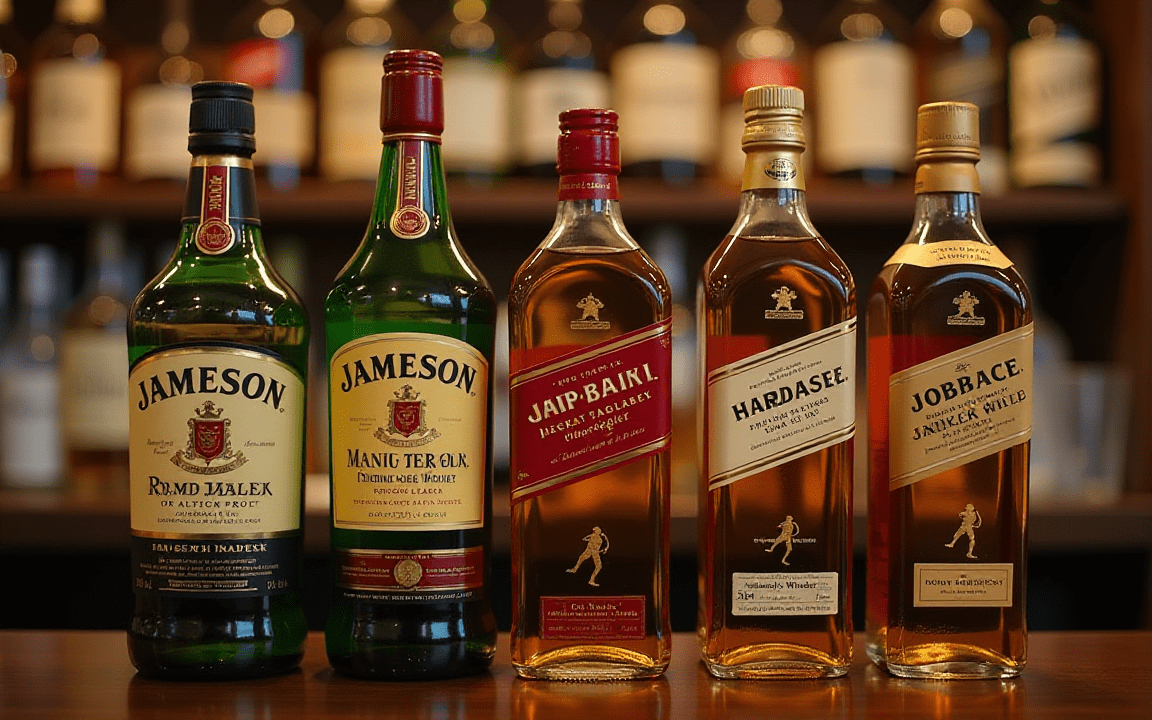
Industry Groups Warn of Major Economic Impact from EU Tariffs
A coalition of 57 alcohol industry groups has raised concerns about the potential economic consequences of a 15% tariff on European Union goods. In a letter addressed to former President Donald Trump, these groups warned that such a tariff could lead to a significant drop in U.S. alcohol sales, potentially costing nearly $2 billion and putting 25,000 American jobs at risk.
The letter was signed by key players in the European beverage industry, including major producers like Diageo and Pernod Ricard. It also received support from U.S. whiskey and wine producers, along with glass suppliers, retailers, and restaurants. These organizations are united in their concern over the impact of trade policies on the alcohol sector.
Diplomatic Achievement and Unmet Demands
In a notable development, Washington and Brussels reached an agreement to implement a 15% import tariff on most goods from the European Union. This agreement marked a significant diplomatic achievement, as it reduced the initially threatened tariff rate by half, helping to prevent a broader trade war between the two economic powerhouses.
Despite the efforts of the wine and spirits industries to secure an exemption, the negotiations did not result in the desired outcome. The Toasts Not Tariffs Coalition, which includes trade associations primarily from the wine and spirits sectors, sent the letter to Trump, urging for a more favorable trade agreement that would ensure “fair and reciprocal trade” for their industries.
Threats to the U.S. Industry
According to the letter, the 15% tariff poses a serious threat to the U.S. restaurant and nightclub industry, potentially jeopardizing 25,000 jobs and nearly $2 billion in sales. This impact is especially concerning as it coincides with the industry's peak season, from October to December. However, the letter did not provide specific details on how these figures were calculated.
The letter emphasized the importance of securing a favorable deal before the critical holiday season, stating that it would be a win for American workers, businesses, and consumers. Industry representatives also highlighted that the tariffs could lead to increased menu prices, harm American businesses, and exacerbate existing challenges within the sector.
Shifting Trends in the Alcoholic Beverage Market
The alcoholic beverage market is currently undergoing significant changes, with both wine and spirits facing considerable pressure. Wine, in particular, has been losing market share to other categories. This trend is not new, as spirits have overtaken beer in recent years to become a dominant force in the industry.
Several factors contribute to these shifts, including changing consumer preferences, demographic changes, and innovative marketing strategies by different segments of the alcohol industry. As consumers seek variety and novel experiences, traditional categories like wine are finding it challenging to maintain their historical dominance against the dynamic growth of spirits and other emerging drink options.
Additionally, rising living costs and a growing preference for healthier lifestyles are discouraging customers in certain areas. The U.S. is a primary market for many European wine and spirit producers, while Europe serves as a key export market for American spirits such as bourbon.
Temporary Relief for EU Tariffs
Although the EU had previously listed certain U.S. alcohol products as potential targets for retaliatory measures, it has postponed these actions for six months. This temporary relief provides some breathing room for the U.S. alcohol industry as they navigate the challenges posed by the new tariff policy.

Posting Komentar untuk "EU Alcohol Tariffs Threaten $2B and 25,000 Jobs"
Posting Komentar