
EU Organic Label: Strong Sustainability Signal Boosts Purchase Willingness
The Importance of Clear Sustainability Labels
Sustainability labels play a crucial role in guiding consumer choices, especially when it comes to products that claim to be organic, fair-trade, or environmentally friendly. However, for these labels to be effective, they must communicate their meaning clearly and directly. Researchers from the universities of Bonn, Newcastle (UK), and Corvinus (Hungary) have explored how subtle design changes can make these labels more impactful. Their findings, published in the journal Agribusiness, suggest that even small modifications can significantly enhance consumer understanding and trust.
The Challenge with Current Labels
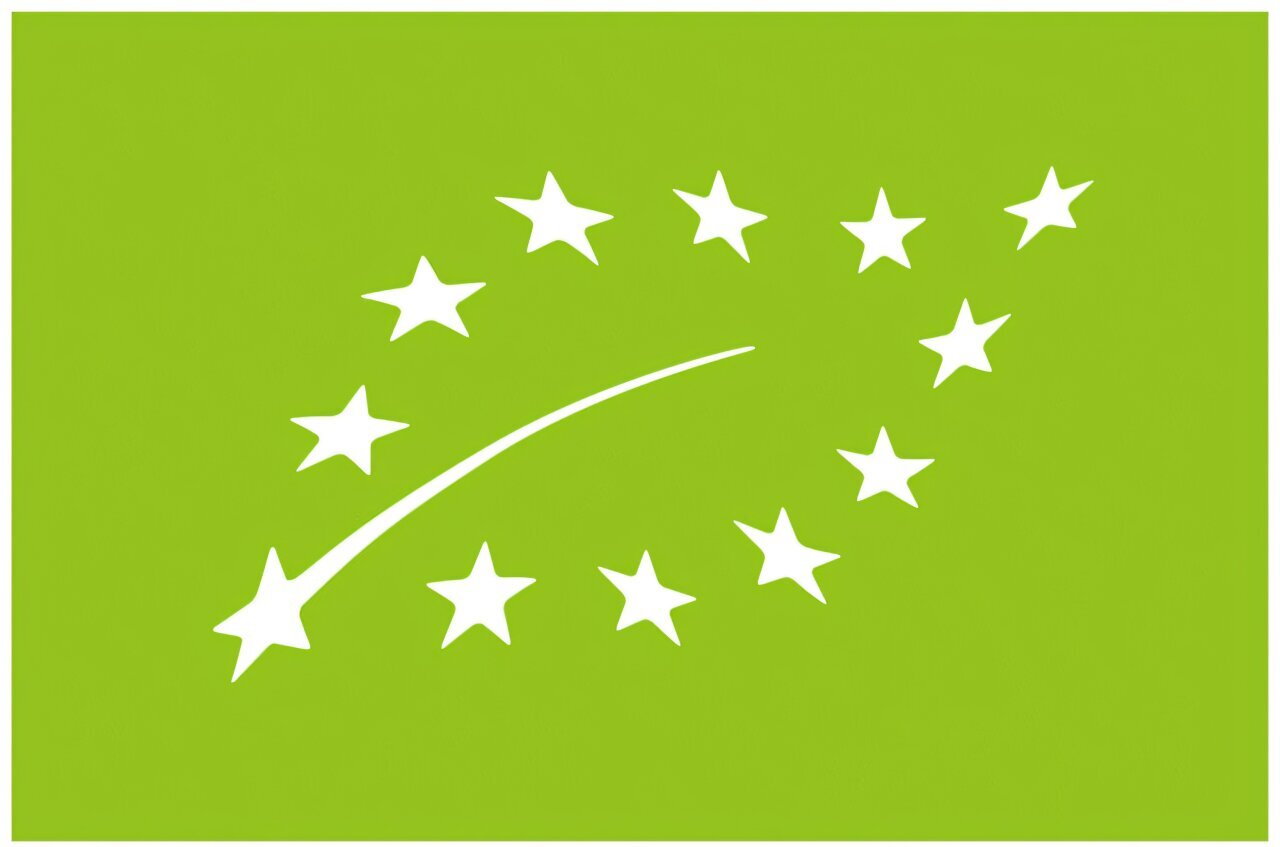
Many sustainability labels struggle to resonate with consumers. According to Prof. Dr. Monika Hartmann, head of the Department of Agricultural and Food Market Research at the University of Bonn, these labels often fail because they are either too vague, not visually striking, or cause confusion. This is particularly true for the EU's "Green Leaf" logo, which was introduced in 2010 to standardize the organic market across Europe. Despite its intention to unify standards, a 2024 survey revealed that only 56% of EU citizens recognized the logo, and just 45% understood that it signified compliance with EU organic standards.
Testing Design Changes for Better Clarity
To address this issue, researchers tested whether minor design adjustments could improve the clarity and effectiveness of the Green Leaf logo. They added either “BIO” or “ECO” inside the green, star-bordered leaf, depending on the language. In a second variation, they also included “EU-certified.” These modified versions were compared against the original logo in a study involving over 9,500 participants across seven EU countries.
Participants rated each version based on clarity, trustworthiness, and usefulness in making informed decisions. The results showed that both modified logos were consistently rated as clearer, more understandable, and more trustworthy than the original. Interestingly, adding “EU-certified” did not provide any additional benefit. Instead, the key improvement came from the inclusion of “BIO” or “ECO,” which made the label’s purpose more immediately recognizable.
Understanding Consumer Perceptions
In a follow-up study conducted in Germany with around 500 participants, the researchers explored what factors contributed to the improved perception of the modified labels. They found that the clarity of the signal increased dramatically. Nearly 90% of respondents correctly identified the modified logo as an indicator of organic certification, compared to less than 70% for the original version.
The new design also helped reduce consumer uncertainty and increase trust in the product. While there was no direct impact on purchase intent, the study revealed an indirect effect: reduced uncertainty and higher trust led to greater willingness to buy sustainable products.
A Simple Solution with Big Impacts
The research highlights the importance of designing sustainability labels that are immediately recognizable and easy to understand. If labels fail to do so, even small design changes can make a significant difference. According to the researchers, modifying existing labels to enhance clarity is a low-effort, high-impact strategy that can encourage more people to choose sustainable options.
This approach not only benefits consumers by helping them make informed choices but also supports producers who adhere to environmental and social standards. As the demand for sustainable products continues to grow, clear and effective labeling will become increasingly essential in shaping consumer behavior and promoting responsible consumption.

Posting Komentar untuk "EU Organic Label: Strong Sustainability Signal Boosts Purchase Willingness"
Posting Komentar