
Evaluating Atlantic Sea Scallop Farming Techniques
Scallop Farming in the Gulf of Maine: Adapting Japanese Techniques for Economic Growth
Scallop farming techniques used in the United States have deep roots in Japan, where scallops have been a staple of the seafood industry for centuries. Now, researchers at the University of Maine are working to adapt these methods to support the growth of the scallop aquaculture industry in the Gulf of Maine. While oyster farming is currently the most well-known form of aquaculture in Maine's blue economy, the focus is shifting toward scallops as a promising alternative.
A recent four-year study published in the journal Aquaculture compared two common Atlantic sea scallop farming techniques: lantern net and ear-hanging. The research team, led by Damian Brady, professor of marine sciences at UMaine, and co-author Chris Noren, a postdoctoral researcher, analyzed the economic advantages and disadvantages of each method. Their findings were used to develop an application that helps potential farmers compare costs and possibilities when starting their own scallop farms.
"Now new farmers can make educated decisions on what option is going to be most viable for them, taking into account their location, timeframe, budget and all the other pieces that go into scallop farming," Brady said. "Ultimately, our goal is to help Maine grow this industry to its fullest potential and preserve Maine's working waterfronts—an integral part of the state's culture and history."
Understanding the Two Farming Methods
The study evaluated two primary methods of scallop farming: lantern net and ear-hanging. Lantern net aquaculture involves tiered, circular nets attached to a long line and hung vertically in the water column. This method is easier and less expensive to set up but can lead to overcrowding and limited access to food resources. However, the research showed that over a four-year cycle, lantern net farming can become productive.
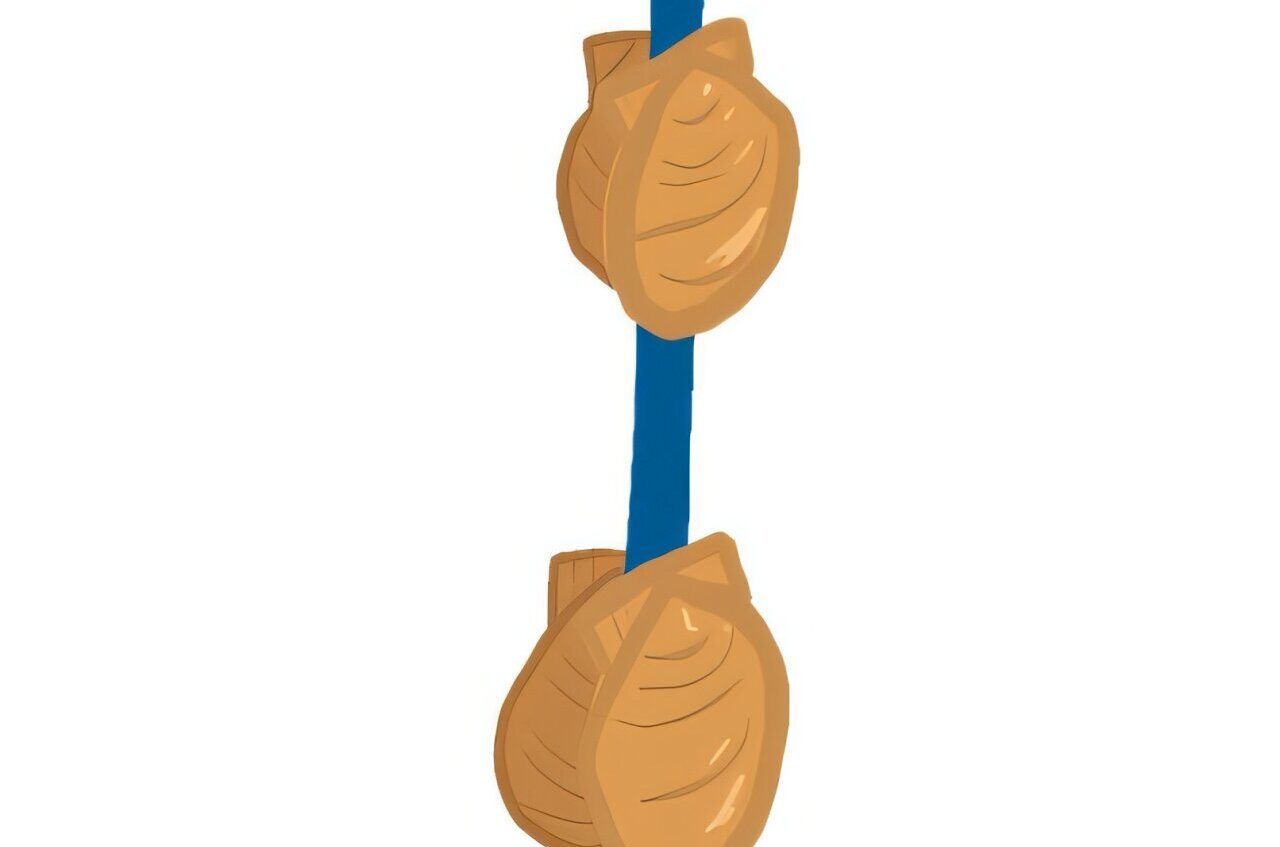
Ear-hanging, developed from Japanese practices, involves drilling holes into the "ear" or hinge of the scallop shells and pinning them onto vertical lines. This method allows individual scallops more space and access to food, making it more efficient over time. Although the initial setup is more expensive, labor costs drop significantly, and overall expenses level out over a four-year period.
Economic Considerations and Long-Term Benefits
Researchers found that ear-hanging production was more advantageous if the scallops' life cycles exceeded three years, while lantern-hanging was slightly more profitable when harvested under three years. The optimal harvesting time for both methods was when scallops reached 3.75–4 years of age.
The study also looked at two key metrics: the height of the entire scallop shell in millimeters and the weight of the adductor muscle in grams. In the U.S., the adductor muscle is the only part of the scallop typically sold, and its size directly affects market value. While the U.S. market for whole scallops is limited, increasing the size of either the shell or the adductor muscle could improve market value.
Ear-hanging, despite higher start-up costs, offers faster production rates and greater space efficiency, which reduces lease costs. It also results in larger adductor muscles on average, making it more economically beneficial for farmers planning to operate for more than three years.
Innovations and Partnerships
To address the high initial costs of ear-hanging, Japanese scallop farmers have employed various technologies and cooperative models. These include automated drilling and pinning machines, as well as multi-partner ownership structures. In such partnerships, one group handles drilling and preparation, while another focuses on farming and de-pinning. This approach allows for shared investment and specialization, reducing the burden on individual farmers.
Additionally, the researchers emphasized the importance of maintaining a working waterfront for tasks that do not require being on the water. This enables less weather-dependent work days and supports the growth of small-scale farms with fewer limitations.
Conclusion
The study highlights the long-term benefits of ear-hanging, including lower total labor costs, reduced lease expenses, and larger adductor muscles. These factors make the higher start-up costs of ear-hanging a worthwhile investment for farmers entering the market with a longer-term perspective.
As the scallop farming industry in the Gulf of Maine continues to evolve, the adaptation of proven techniques from Japan, combined with innovative approaches, could play a crucial role in expanding the state's aquaculture sector and preserving its coastal heritage.

Posting Komentar untuk "Evaluating Atlantic Sea Scallop Farming Techniques"
Posting Komentar