
Fashion Expert Warns: Shopping at Stores Like Shein Has a Dark Side
The Rise of Fast Fashion and Its Environmental and Social Costs
The fast-fashion industry has become a dominant force in the global clothing market, producing low-cost, low-quality garments at an unprecedented pace. This model prioritizes speed and affordability over sustainability, leading to significant environmental and social consequences. However, a growing movement known as slow fashion is offering a more ethical and sustainable alternative.
How Fast Fashion Operates
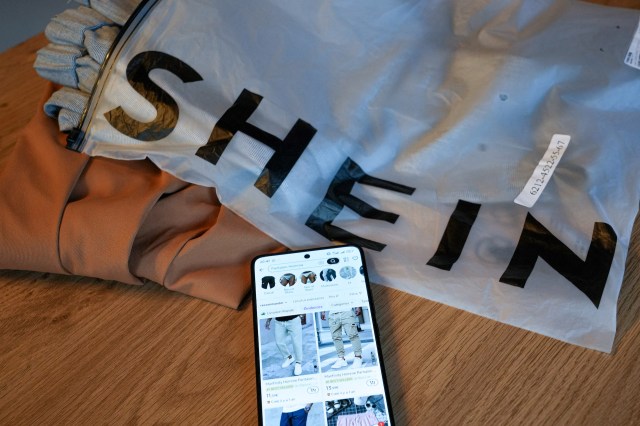
Retail giants like Shein have built massive businesses by leveraging ultrafast production cycles and constantly chasing trends. New styles appear on online shelves daily, encouraging consumers to buy more than they need. This business model fosters overconsumption and waste, as most items are designed to wear out quickly and end up in landfills. These companies operate similarly to fast-food chains, but on a global scale, emphasizing quantity over quality.
The Slow Fashion Movement
In contrast, the slow fashion movement promotes timeless design, durable materials, and ethical production practices. It encourages consumers to make fewer, higher-quality purchases that last longer, shifting the focus from profit-driven growth to sustainable purpose. By valuing craftsmanship and longevity, slow fashion aims to reduce the environmental footprint of the clothing industry.
The Appeal of Secondhand Shopping
Thrift shopping and buying secondhand have gained popularity as more people seek ways to reduce waste and save money. These practices not only help extend the life of clothing but also support a more circular economy. Consumers are increasingly aware of the impact their choices have on the planet and are looking for alternatives to fast fashion.
Why Fast Fashion Is a Problem
Fashion expert Kate Fletcher highlights the challenges of sustainability in the fashion industry, particularly the sheer volume of clothing being produced. "There is already enough clothing in the world for everyone," she says. Beyond the issue of durability, fast fashion has a massive environmental impact, contributing to polluted waterways, overflowing landfills, and up to 8% of global air pollution. Social costs are equally concerning, with poor labor conditions and exploitative supply chains being common in the rush to produce cheap goods.
Fletcher also points out that the low prices of fast fashion come at a cost: they limit consumer choice and strip away the ability to influence how clothes are made. "All we do when we go shopping in these stores is choose among predefined alternatives. There is little that is democratic about that."
Rethinking Our Relationship with Clothing
Fletcher urges a shift in how we think about clothing, not just in terms of consumption but in how we dress with intention during times of environmental crisis. She calls for a "breakup" with fast fashion, emphasizing the need to rethink our values and priorities.
What Can Be Done?
"The only way to fight overproduction is simply to produce less," Fletcher says. Currently, only 6% of clothing purchases are driven by actual need, while the rest are fueled by habit, desire, or marketing. While many still believe in the economic promises of globalization, there is potential for positive change if companies and suppliers relocate supply chains to benefit workers, local communities, and the environment.
Consumers can drive change by shopping secondhand, educating themselves on greenwashing, supporting local stores, and choosing quality over quantity. However, real progress will require companies to prioritize communities and the planet over endless profits, redefining success to mean resilience rather than excess.
Encouraging Sustainable Practices
One way to encourage recycling of old clothes and electronics is through various incentives. Some people may be motivated by receiving money back, trading items for new ones, or making the process as easy as possible. Others may be driven by the desire to keep their belongings out of landfills. Understanding what motivates individuals can help promote more sustainable habits.
By staying informed and making conscious choices, consumers can play a key role in shaping a more sustainable future for the fashion industry.

Posting Komentar untuk "Fashion Expert Warns: Shopping at Stores Like Shein Has a Dark Side"
Posting Komentar