
Fast Food Nation Revisited: A Vietnamese Immigrant's Story of Low-Wage Life in America
The Struggles of the Working Class in American Literature
The decline of manufacturing in the northeastern United States has had a lasting impact on the region’s economy and communities. As factories closed and jobs disappeared, the service sector emerged as an alternative, but it failed to provide the same level of employment opportunities, wages, or job security that the old industrial economy once offered. This shift led to a downward spiral for many workers, their families, and entire communities, marked by lower incomes, fewer benefits, and increased instability.
Two prominent regional authors, Russell Banks and Richard Russo, have captured the struggles of this working-class experience with deep personal insight. Both writers grew up in environments where absent or unreliable fathers left mothers to raise children alone. Their literary works explore the challenges faced by white working-class individuals in small towns, often drawing from their own lives. Through novels like Hamilton Stark, Affliction, Rule of Bone, The Risk Pool, Empire Falls, and Nobody’s Fool, they depict characters such as pipefitters, laborers, factory workers, mechanics, cops, cooks, and waitresses. These stories rarely feature the heroic narratives typical of 1930s proletarian literature, reflecting the harsh realities of late 20th-century life in upstate New York and New England. Many of these communities experienced downward mobility due to lost strikes, layoffs, and the replacement of stable blue-collar jobs with more precarious ones.
In these struggling towns, family dysfunction worsened over generations. Divorce, bankruptcy, and migration became common. Even the comfort of local bars and diners, which once provided solace, became places of tension, where bitterness and disappointment could easily erupt. The changing demographics of the region, driven by immigration, have introduced new voices into the narrative. Over the past 15 years, more than half of New England’s population growth has come from foreign-born workers. This shift has brought a new generation of low-wage laborers facing similar job insecurity as native-born workers.
A New Literary Voice: Ocean Vuong
Ocean Vuong, a 36-year-old Vietnamese immigrant and tenured professor at New York University, is one of the few who has transformed his experiences as a fast-food server and home health aide into powerful fiction. His novel The Emperor of Gladness explores the lives of people navigating economic hardship, fractured relationships, and the search for connection. Vuong’s journey from a life of struggle to academic success mirrors the themes of resilience and reinvention found in his work.
Vuong’s upbringing was marked by poverty and displacement. He grew up in public housing in East Hartford, Connecticut, across the river from a state known for its wealth and inequality. His mother, a manicurist and post-Vietnam War refugee, raised him after being separated from her own father, a U.S. soldier. Vuong’s early life included working long hours on a tobacco farm and later serving as a home health aide for an elderly Lithuanian woman. Despite these challenges, he found escape through reading and writing, eventually earning a MacArthur Foundation Fellowship and becoming a celebrated poet and novelist.
The Story of Hai and Grazina
In The Emperor of Gladness, Vuong introduces readers to Hai, a 19-year-old college dropout who is contemplating suicide after failing to meet his mother’s expectations. His life changes when he meets Grazina Vitkus, an 82-year-old Lithuanian widow suffering from dementia and living in a deteriorating house. Their unlikely friendship begins when Hai becomes her live-in caregiver, providing both emotional support and practical help. Together, they share conversations about history, books, and their shared sense of isolation, forming a bond that transcends their differences in age and background.
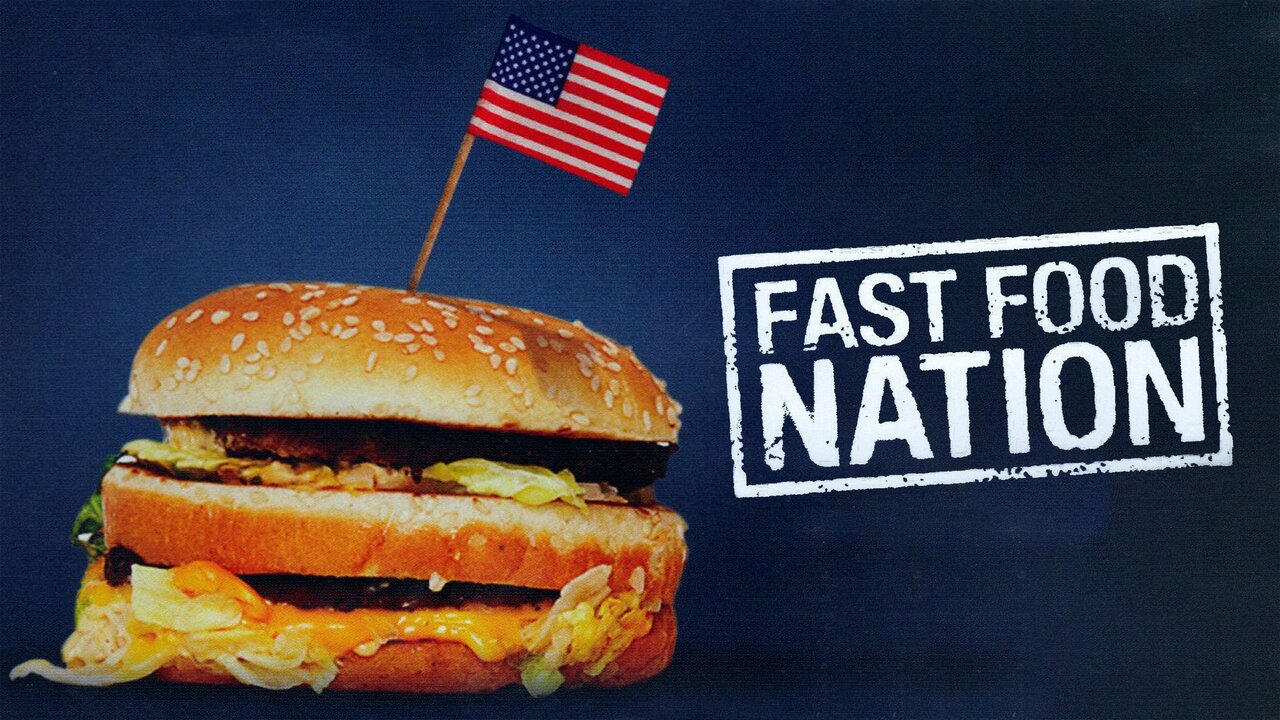
Hai’s job at a fast-food restaurant, modeled after Boston Market, highlights the realities of low-wage work. He joins a diverse group of employees, including his cousin Sony, who works at the same location and delivers detailed monologues about historical battles. The novel offers a vivid portrayal of the fast-food industry, revealing the behind-the-scenes operations that most customers never see. Vuong’s depiction of this world is both humorous and poignant, capturing the resilience of workers who face daily challenges while trying to make ends meet.
A World of Hardships and Hope
As the story unfolds, readers witness the struggles of other characters, including Wayne, a Black rotisserie chef who takes on a side job on a farm, and BJ, a manager who dreams of becoming a wrestler. Each character faces their own set of obstacles, yet they find ways to support one another. Some, like Sony and his mother, manage to rebuild their lives, while others, like Lucas Vitkus, remain distant and indifferent to their family’s needs.
The novel does not offer a traditional happy ending, but it leaves room for hope. Hai, though still uncertain about his future, no longer sees suicide as an option. His journey reflects the broader theme of resilience among working-class individuals, both immigrants and native-born, who continue to navigate the challenges of poverty and precarity. Vuong’s work serves as a powerful reminder of the strength and dignity found in those who persist despite adversity.

Posting Komentar untuk "Fast Food Nation Revisited: A Vietnamese Immigrant's Story of Low-Wage Life in America"
Posting Komentar