
FPL Seeks Historic Rate Increase: How Much Will Your Power Bill Rise?
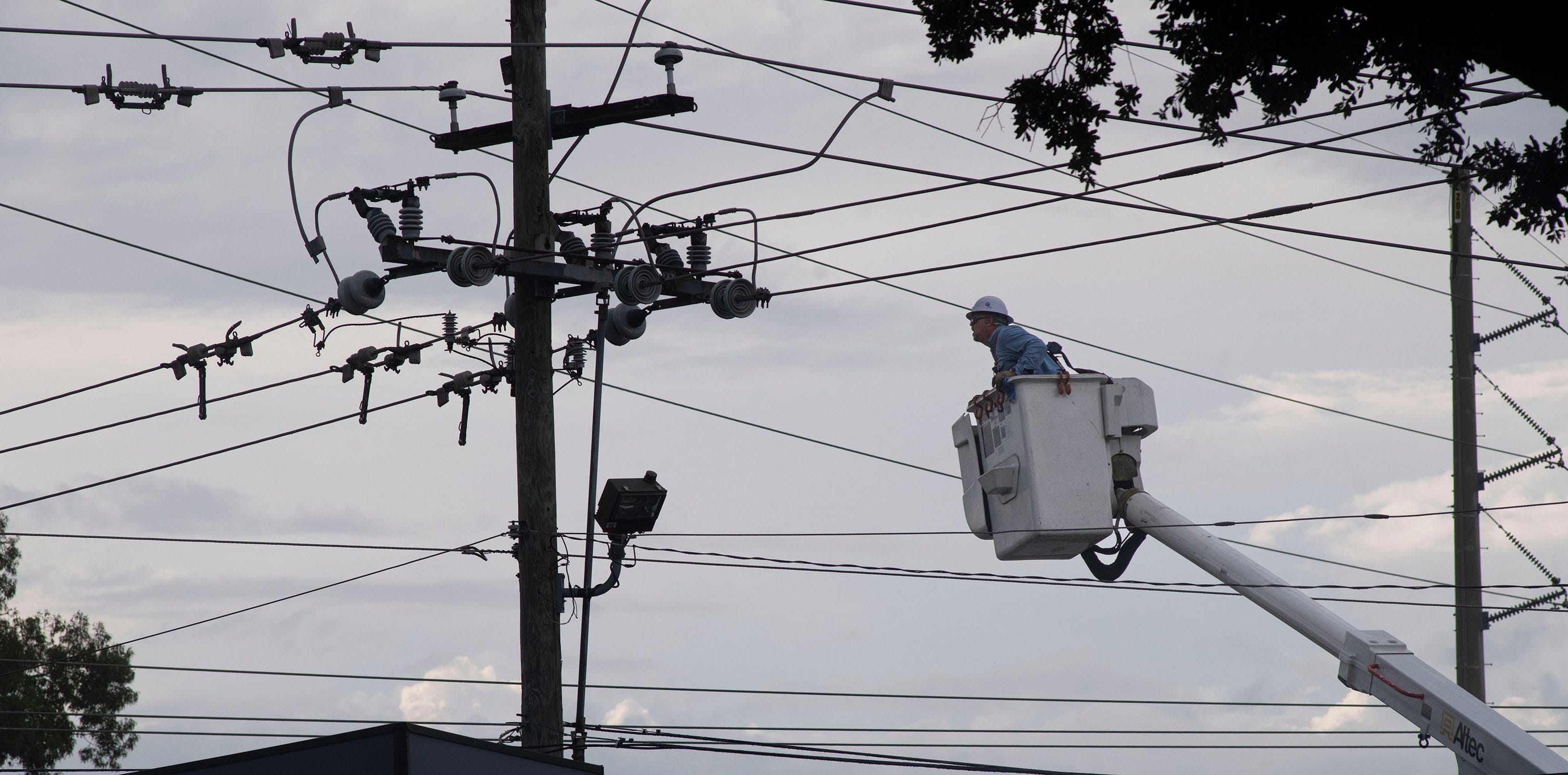
Florida Power & Light May Implement Historic Rate Increase
Florida Power & Light (FPL) is set to present a proposal for a significant rate increase to the Florida Public Service Commission (PSC). This could result in an additional $100 to $200 per year on average for customers by 2029, marking the largest rate hike in both Florida and U.S. history. The proposed increase aims to generate $8.9 billion from 2026 through 2029, potentially exceeding $10 billion if FPL gains approval to raise rates again when new solar and battery projects come online in 2028-2029.
The hearing, which will be broadcast live on the PSC website, is expected to last approximately 10 days. Walt Trierweiler, head of the Florida Office of Public Counsel, has indicated that this process will provide an opportunity for public input and scrutiny of the proposal.
J.T. Young, vice president and general manager of FPL Northwest Florida, emphasized that the rate hike is necessary as FPL prepares for future growth and diversification in its energy production. "We're filing on behalf of our six million customers," he said. "Overall, we must be prepared for growth across the state to provide reliable services and make smart investments on behalf of our customers."
Understanding the Impact on Your Bill
The proposed rate increase will affect all customers, but it's important to note that additional monthly fees may also contribute to higher bills. These can include fuel surcharge increases, nuclear cost recovery, environmental and energy charges, storm hardening, and storm restoration recovery charges.
Residential customers can use the calculator feature on FPL.com/answers to estimate how the proposal would impact their individual bills. Northwest Florida customers may experience a smaller initial increase, but starting in 2027, all FPL customers across Florida will pay the same rates.
FPL claims that even with the proposed adjustments, residential customer bills will remain well below the national average and lower than many other Florida utilities. Adjusted for inflation, the typical 1,000-kWh residential customer bill in January 2026 under FPL’s proposal would be about 20% lower than it was in 2006.
Financial Performance and Customer Surcharge
In the second-quarter report for 2025, NextEra Energy, FPL's parent company, reported that FPL saw a six-month net income of $1.275 billion, a 3.49% increase over the same period last year. However, customers are already facing additional costs through a hurricane surcharge, which added $12.02 to a typical 1,000-kilowatt residential bill starting in January. This surcharge covers costs from recent hurricanes and is set to continue through the rest of the year.
Opposition to the Proposed Rate Hike
Several groups have voiced opposition to the rate hike, including Floridians Against Increased Rates, AARP, and various local environmental and consumer advocacy groups. Additionally, attorneys representing entities such as the United States Air Force and Walmart have joined the opposition. One major concern is that the primary beneficiaries of the hike will be FPL stockholders, particularly due to the proposed Tax Adjustment Mechanism, which could allow the utility to use customer payments collected for federal income taxes for shareholder dividend payments.
Rising Electricity Costs Nationwide
Electricity costs across the United States have been increasing, driven by extreme temperatures and the growing demand from power-hungry data centers supporting the surge in artificial intelligence usage. According to a Department of Energy-backed study, power demand from data centers in the U.S. is expected to nearly triple over the next three years, consuming up to 12% of the country’s electricity. There are currently 126 data centers in Florida, mostly located in the Miami and Tampa areas.
According to data from the U.S. Energy Information Administration, Florida has seen a 10% increase in average residential electricity prices from May 2024 to May 2025.
FPL's Customer Base and Growth Plans
FPL serves approximately 6 million accounts, providing electricity to more than 12 million people across 43 of Florida’s 67 counties. The company has added about 275,000 customer accounts since 2021 and expects to add around 330,000 more by the end of 2029. This growth will require significant new generating capacity and distribution infrastructure to meet the rising demand in one of America’s fastest-growing states.
FPL positions itself as "America's largest electric utility," serving more customers and selling more power than any other utility in the country.

Posting Komentar untuk "FPL Seeks Historic Rate Increase: How Much Will Your Power Bill Rise?"
Posting Komentar