
Free Surgeries for State Workers Coming by Fall 2025, NC Leaders Announce
A New Approach to Health Care for State Employees
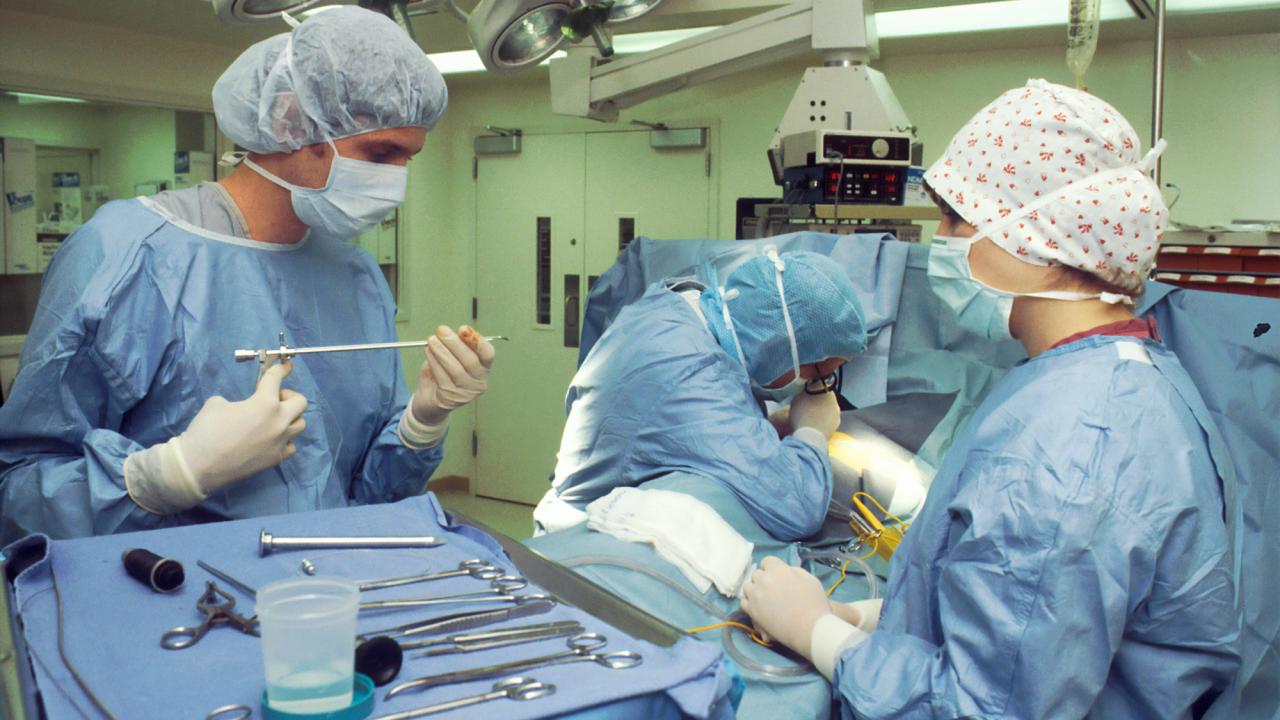
North Carolina’s State Health Plan is introducing a new initiative aimed at reducing costs for state employees and their families while ensuring high-quality care. The plan involves creating a group of surgeons across the state who will be prioritized by the health plan to perform surgeries for 770,000 teachers, state workers, retirees, and their family members. In exchange for being selected, these surgeons will receive lower payment rates than usual. However, the idea is that this will lead to a win-win situation for all involved.
State Treasurer Brad Briner believes that by directing more patients to this select group of surgeons, they can still earn more money despite the lower rates due to an increase in patient volume. At the same time, the state could save money by paying less for surgeries. This initiative is part of a broader effort to make health care more affordable and efficient.
How It Works
State employees are not required to use the selected surgeons, but they will face higher costs if they choose to go outside the program. If enough people opt for the new group, the State Health Plan may be able to offer surgeries with no deductibles or co-pays for major procedures.
Briner emphasized that the goal is to have high-quality providers compete for the business of the State Health Plan. “Lowest price wins,” he said. “We’ll pass that low price on to the members of the State Health Plan in the form of no deductibles, no co-pays, for major surgeries.”
The selection process is currently underway, with health care providers bidding to join the program. A company called Lantern will oversee the initiative. According to Lantern, fewer than 1% of its surgeries result in complications—far below the national average of over 8%. This data supports the plan’s focus on quality and affordability.
Expanding Access to Rural Areas
The partnership will initially cover surgeries in Raleigh, Durham, Charlotte, Greensboro, and Hickory. However, the program may expand to other parts of the state. To ensure rural providers have a chance to participate, the bidding period has been extended.
State House Majority Leader Rep. Brenden Jones, R-Columbus, supported the extension, emphasizing the importance of rural hospitals in providing critical health care. “Rural hospitals are instrumental in providing critical health care to our communities,” Jones said. “I’m glad to have played a part in ensuring they have a voice and quality rural health care remains.”
Despite the extended bidding period, the system is expected to go live in October.
Impact on State Workers and Premiums
Ardis Watkins, leader of the State Employees Association of North Carolina, sees the initiative as a small but positive step toward lowering health care costs for state workers and potentially all residents of North Carolina. “It’s a statewide problem, being the most expensive state for health care in the country,” she said. “But the State Health Plan can do something about that.”
However, the plan also includes premium increases for state employees. Briner, a Republican and former investment banker, has taken steps to overhaul the State Health Plan and stop it from losing money. The plan faces a $500 million deficit, partly due to rising health care prices and a previous policy of keeping premiums frozen.
Briner has abandoned that policy, leading to proposed premium increases. Watkins noted that state workers are upset about the changes. “People are definitely angry at premiums going up,” she said. “There’s no pay raise for state employees. There’s been nothing for retirees. So they’re going backwards. And that doesn’t even count inflation.”
Premium Increases and New Models
The exact amount of premium increases will be decided at a meeting next week. Briner and other officials have suggested a sliding scale model based on income, where higher-paid workers will pay more than lower-paid ones.
According to a May discussion, the State Health Plan outlined potential changes:
- 70/30 Plan (now "Standard"): Premiums could rise from $25 to $70 per month, depending on salary. Deductibles for singles would increase from $1,500 to $3,000, and for families from $4,500 to $9,000.
- 80/20 Plan (now "Plus"): Premiums could go from $50 to $130 per month. Deductibles for singles would rise from $1,250 to $1,500, and for families from $3,750 to $4,500.
- Medicare Advantage Plan: Older state employees and retirees would see minimal changes, with only a $100 annual out-of-pocket maximum increase. However, those on the Medicare 70/30 plan would face larger increases, as the plan aims to encourage enrollment in the Medicare Advantage option.
This new approach reflects a broader effort to balance cost, quality, and accessibility in health care for state employees.

Posting Komentar untuk "Free Surgeries for State Workers Coming by Fall 2025, NC Leaders Announce"
Posting Komentar