
From the Archives | The Amish Way of Life in a 1989 Interview
The Enigmatic Lifestyle of the Amish
The Amish way of life has long captivated the curiosity of outsiders, often appearing as a paradox that defies conventional understanding. Their unique approach to living, rooted in tradition and simplicity, stands in stark contrast to the fast-paced modern world. This fascination was explored in a 1989 interview with Donald Kraybill, a sociology professor at Elizabethtown College, who had recently published a book titled The Riddle of Amish Culture. In this work, Kraybill delves into the complexities of Amish society, examining how they have managed to preserve their heritage while navigating the challenges of the 20th century.
Kraybill’s interest in the Amish stemmed from their remarkable ability to thrive within an industrialized world. As a sociologist, he found it intriguing how the Amish could maintain their traditional values while selectively adopting certain aspects of modern life. This balance between acceptance and rejection of contemporary influences is what makes their culture so enigmatic.
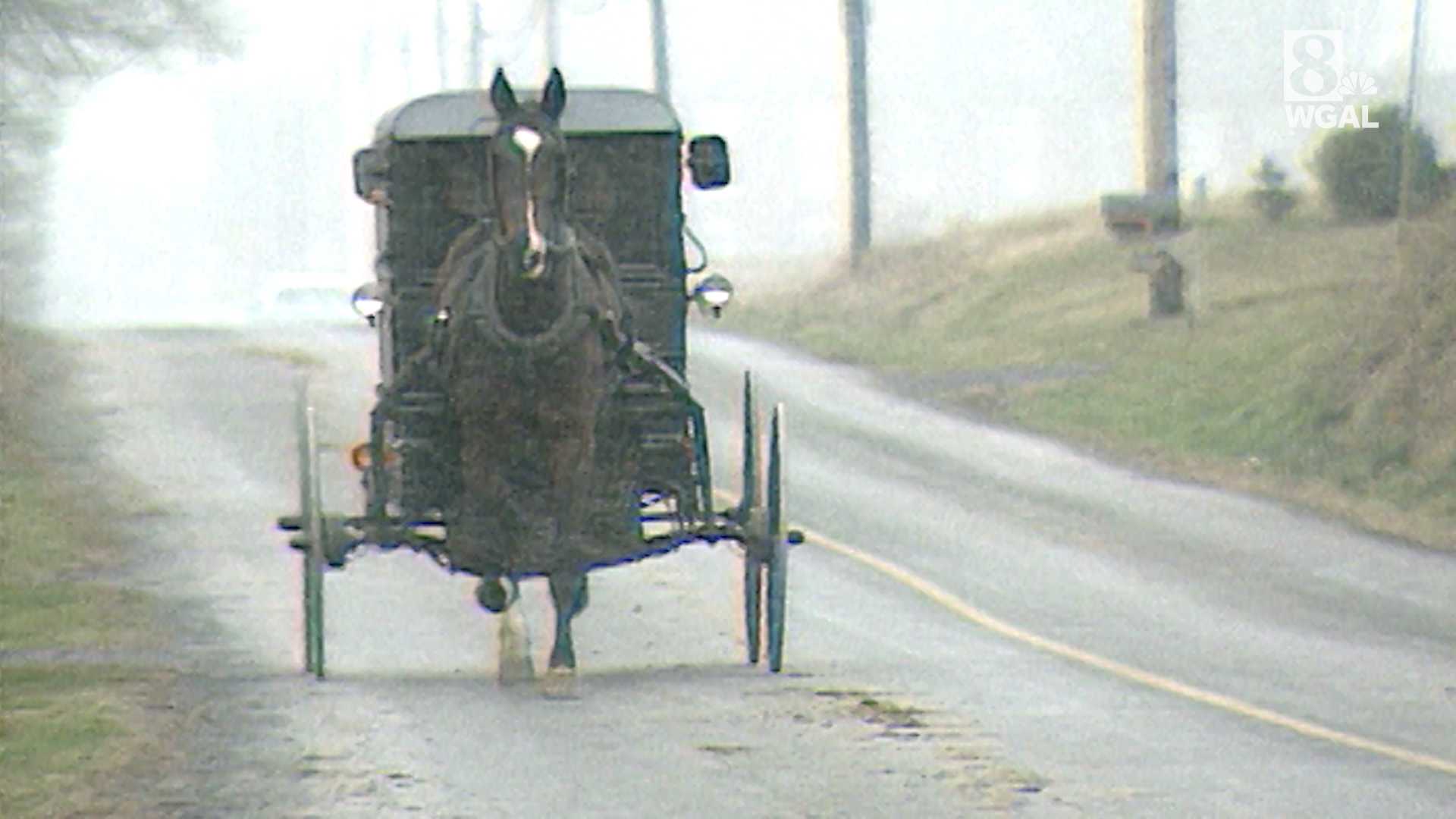
One of the most striking features of Amish life is their mode of transportation. While horse-drawn buggies are the primary means of travel, there are instances where Amish individuals can be seen riding in cars. However, they do not drive them themselves. This contradiction highlights the broader theme of their selective engagement with technology. For many, the Amish appear to resist modern conveniences like automobiles and electricity, yet they are not entirely closed off from progress.
Kraybill explained that the Amish possess a kind of courage in resisting practices that others take for granted. He noted that this resistance is not simply about rejecting technology, but rather about maintaining a way of life that emphasizes community, humility, and self-sufficiency. The Amish are often puzzled by the choices made by the outside world, such as the decision to place elderly family members in care facilities or the development of weapons capable of causing widespread destruction.
This mutual sense of confusion underscores the cultural divide between the Amish and the broader society. Kraybill pointed out that both sides face their own riddles—questions that challenge their beliefs and ways of life. For the Amish, the modern world presents a series of dilemmas that they must navigate carefully, while for those outside their community, the Amish offer a glimpse into a simpler, more deliberate way of living.
The Amish have managed to preserve their traditions despite the pressures of the 20th century. Kraybill attributed this resilience to their strong sense of identity and commitment to their values. By choosing which aspects of modern life to embrace and which to reject, the Amish have created a sustainable model that allows them to flourish without compromising their core beliefs.
In addition to their unique lifestyle, the Amish also emphasize the importance of community and cooperation. Their social structures are built on trust, shared labor, and mutual support, which further reinforces their ability to withstand external influences. This collective mindset is a key factor in their continued success.
As Kraybill’s research illustrates, the Amish way of life is far more than a simple rejection of modernity. It is a thoughtful and intentional approach to living that prioritizes harmony, sustainability, and spiritual fulfillment. Their story offers valuable insights into the possibilities of alternative lifestyles in an increasingly complex world.
The Amish continue to inspire both admiration and curiosity, serving as a reminder of the diverse ways in which people can choose to live. Their ability to balance tradition with adaptability is a testament to their strength and resilience, making them a fascinating subject for ongoing study and reflection.

Posting Komentar untuk "From the Archives | The Amish Way of Life in a 1989 Interview"
Posting Komentar