
Gardeners Warn: This Simple Mistake Kills Seeds Before They Grow
The Importance of Seed Depth in Planting
When it comes to planting seeds, many gardeners focus on light and water needs, but the depth at which seeds are planted is equally critical. Getting this right can make the difference between a thriving garden and a disappointing one. Whether you're growing flowers or vegetables, the correct planting depth ensures that your plants have the best chance to germinate, grow, and flourish.
What Happens When Seeds Are Planted Incorrectly
Planting seeds too shallow or too deep can lead to several issues that hinder growth. If seeds are placed too close to the surface, they may dry out quickly or be vulnerable to pests and diseases. This can result in poor germination, as the seeds don’t receive enough moisture or protection. On the other hand, planting seeds too deep can prevent them from reaching the surface, as they may lack the energy needed to push through the soil. Additionally, deep planting can lead to root suffocation due to limited oxygen availability, which can cause the roots to rot.
Another consequence of incorrect seed depth is an underdeveloped root system. If seeds are planted too shallow, their roots may not anchor properly, making the plant unstable and prone to falling over. This weak foundation can also lead to increased exposure to drying conditions, reducing the chances of survival for young plants.
How to Determine the Correct Seed Depth
Most seed packets provide guidelines for planting depth, often recommending a depth that is two to three times the width of the seed. If no instructions are available, following this general rule is a safe approach. However, if you’re still unsure, experimenting with different depths can help you determine what works best for your specific soil type and conditions.
One effective method is to plant a few seeds at varying depths—some shallow, some mid-range, and some deeper. This allows you to observe which depth yields the best results without risking your entire crop on a single guess. This trial-and-error approach can be especially useful when working with new or unfamiliar seeds.
Planting Seedlings Correctly
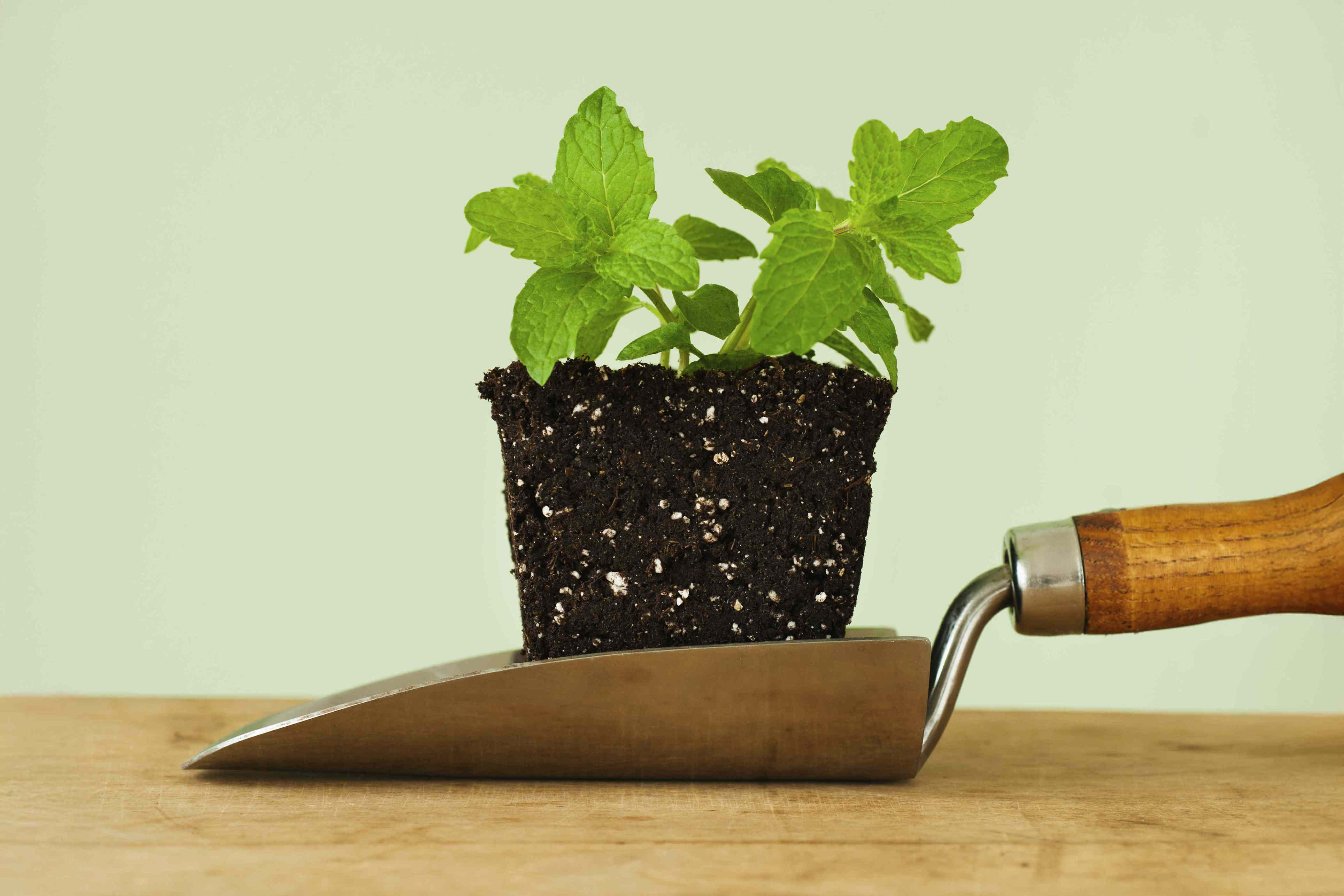
When transplanting seedlings or young plants, the depth of planting remains important. Porwol suggests placing the plant in its hole and filling halfway with soil before gently watering. Once the water has settled, add more soil until the roots are fully covered. Using the soil mark on the stem as a guide ensures that the plant is positioned at the right depth.
It’s also beneficial to create a slight well around the base of the plant to capture rainwater and direct it toward the roots. This helps maximize water absorption and supports healthy growth. For trees, it’s crucial to ensure that the root flare—the point where the roots spread from the trunk—is just at or slightly above the soil line. This prevents issues like root rot and promotes strong, stable growth.
Final Tips for Successful Planting
In addition to proper depth, consider factors like soil quality, temperature, and moisture levels when planting. These elements work together to create the ideal environment for your seeds and seedlings. By paying attention to these details, you can significantly improve the chances of successful germination and robust plant development.
Whether you're a seasoned gardener or just starting out, understanding the importance of seed depth is a valuable skill. Taking the time to plant correctly can save you from frustration and lead to a more rewarding gardening experience.

Posting Komentar untuk "Gardeners Warn: This Simple Mistake Kills Seeds Before They Grow"
Posting Komentar