
Gen Z Laments High-Price Home Purchases More Than Millennials: Survey
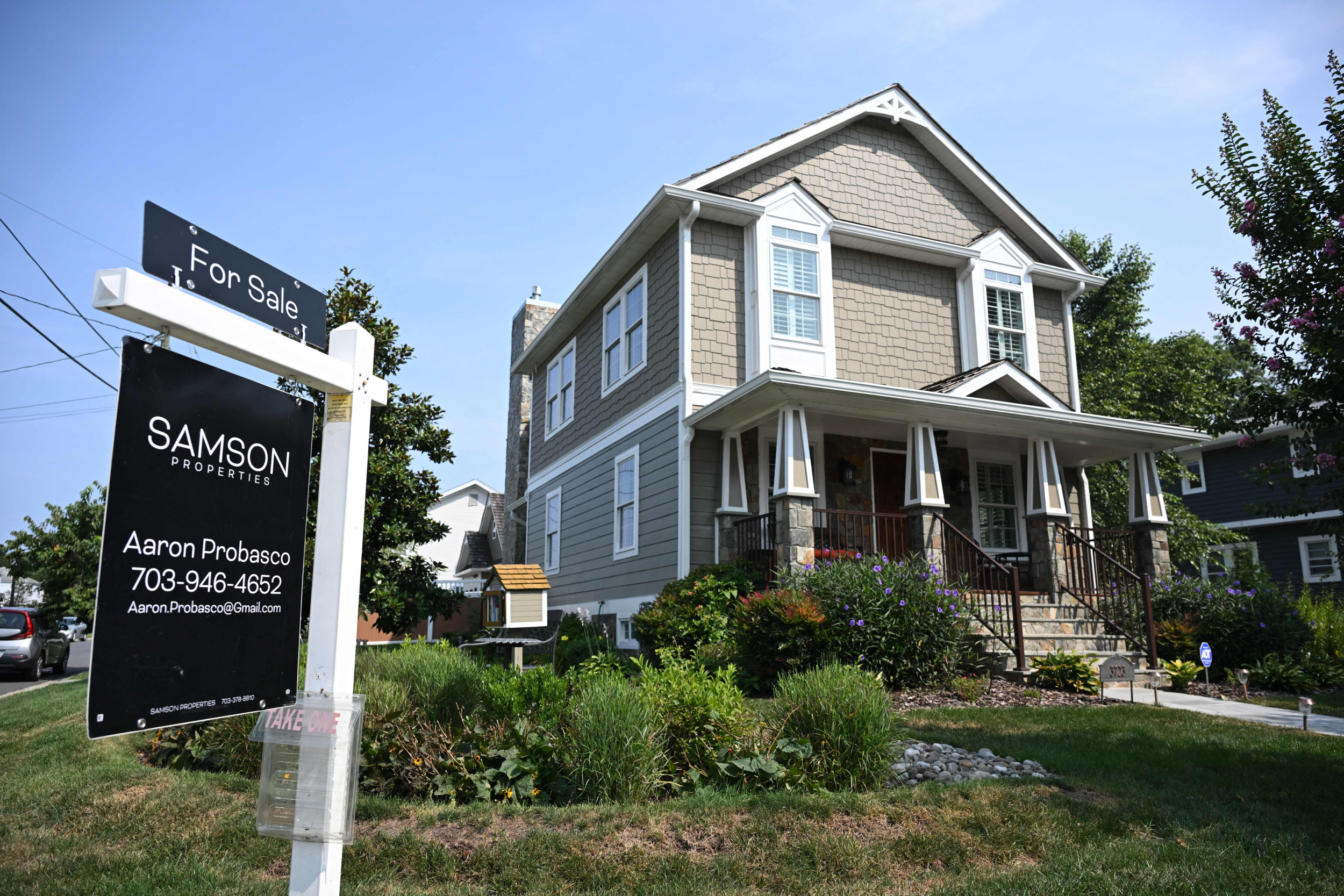
The Growing Regret Among Gen Z Homeowners
A new study reveals that a significant number of Gen Z homeowners are experiencing regret over their home purchases, far exceeding the levels reported by millennials. According to a survey conducted by Kin Insurance involving 1,000 participants, 42% of Gen Z homeowners expressed regret, which is 27% higher than both millennials and Gen X. This trend highlights a growing crisis in the American dream of homeownership, as younger generations face unprecedented financial challenges.
Why It Matters
The housing market is undergoing a generational shift, with many young buyers struggling to afford homes due to record-high prices and mortgage rates. First-time buyers are encountering historic levels of buyer's remorse, raising concerns about the future of housing affordability and accessibility for upcoming generations. As more individuals find themselves unable to meet the financial demands of homeownership, the traditional path to stability is becoming increasingly difficult to navigate.
Key Insights from the Survey
The survey also uncovered that over 40% of Gen Z homeowners regret their purchase, primarily due to the high cost of mortgages and unexpected expenses. A separate survey by Open Door found even higher rates of regret, with 94% of Gen Z and 86% of millennial first-time home sellers expressing dissatisfaction. Many buyers underestimated the costs associated with maintenance, insurance, and other ongoing expenses, which often were not included in their initial budgets.
Alan Chang, a nationwide title and escrow expert, emphasized that purchasing a home is one of the most significant financial decisions an individual makes. He noted that there are numerous factors to consider, some of which may not be fully understood during a competitive seller's market.
Rising Housing Costs
Housing costs have continued to rise, with median home prices reaching $420,000 in late 2024 and 30-year fixed mortgage rates climbing above 7% this year. These increases have led to a shift in the demographic of first-time buyers, with the median age now at 38, up from 29 in the 1980s. Additionally, the number of first-time buyers dropped to 1.14 million in 2024, compared to 3.2 million in 2004.
Many younger buyers are opting for fixer-upper homes to save on costs, but this approach often leads to significant regret. They frequently underestimate the time and money required for repairs, especially when they have limited resources.
Financial Strain and Hidden Costs
According to the Kin Insurance survey, 39% of all homeowners spend at least one-third of their income on housing costs. Over half of them did not account for home insurance costs in their initial budgets, particularly in high-risk areas where insurance rates are significantly higher than the national average.
Kevin Thompson, CEO of 9i Capital Group, highlighted that many people focus solely on the mortgage payment without considering other essential costs. He pointed out that property taxes, PMI, HOA dues, and insurance are all critical components of homeownership that can add up quickly.
Perspectives from Experts
Thompson also mentioned that older generations faced higher interest rates but paid them on much lower home values. He suggested that younger buyers might end up renting instead, as it can sometimes be more manageable despite similar or higher rent costs. Renting allows individuals to avoid the responsibilities of property taxes, maintenance, and major repairs.
Chang added that in a seller's market, buyers often waive contingencies and make quick decisions to secure a home. In some cases, they skip inspections or fail to fully consider the total cost of homeownership.
Alex Beene, a financial literacy instructor, noted that being "house poor" can create real hurdles for Gen Z. Most who regret their home purchase cite mortgage costs as the primary issue, which is understandable given the high property prices and ongoing financial commitments.
What Comes Next?
Housing affordability is unlikely to improve soon for young buyers, as high mortgage rates, limited inventory, and stagnant wages continue to deter Gen Z and millennials from entering or upgrading in the market. Real estate professionals advise young Americans to start financial planning early, explore available grants and programs for first-time buyers, and carefully consider whether buying, renting, or co-living is the best option for their situation.
Thompson warned that without government intervention, the long-term risk includes fewer individual homeowners, more corporate-owned housing, and a rental-heavy market.

Posting Komentar untuk "Gen Z Laments High-Price Home Purchases More Than Millennials: Survey"
Posting Komentar