
Germany's Finance Minister in U.S. Amid Tariff Tensions
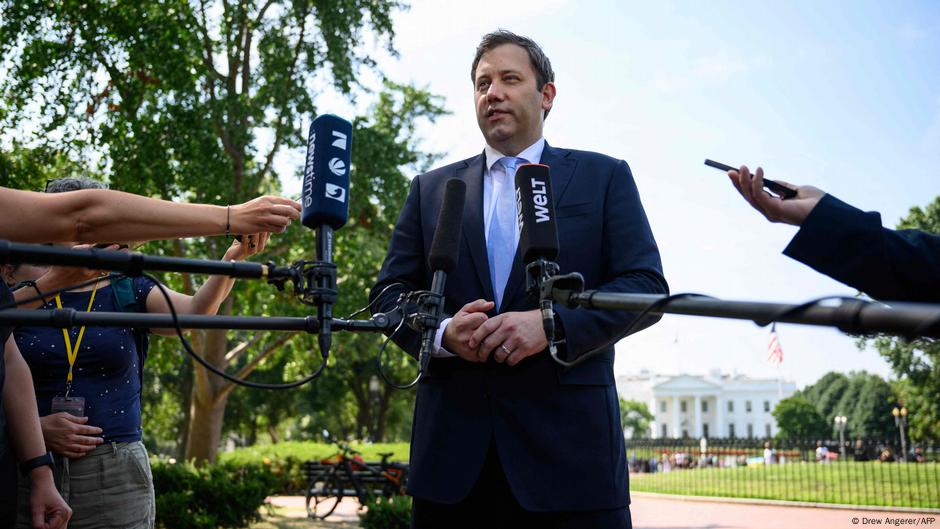
Germany's Finance Minister Seeks Steel Tariff Exemptions Amid Ongoing Trade Talks
German Finance Minister Lars Klingbeil is in Washington for a series of high-level discussions with U.S. Treasury Secretary Scott Bessent, focusing on trade relations and strengthening trans-Atlantic ties. This marks the first official visit to the United States since Klingbeil took office. One of the key topics on the agenda is the potential tariff exemption for German steel, which has become a pressing issue as new U.S. tariffs on EU imports are set to take effect.
Klingbeil emphasized the importance of securing favorable terms for the German steel industry during his visit. He proposed a quota system that could allow certain volumes of steel to be traded across the Atlantic at reduced or no tariffs. "That would be very important for the German steel industry and for many jobs in Germany," he stated during a press briefing in Washington. However, he also expressed disappointment with the broader EU negotiations with the U.S., noting that weaknesses had been exposed during the tariff dispute.
The recent agreement between the EU and the U.S. to lower tariffs on most European goods to 15%—down from a previously threatened 30%—has provided some relief, but it has not fully addressed concerns within Germany. The new rules are scheduled to take effect on August 7, and Klingbeil has called for further clarification on how this will impact specific sectors like steel. He stressed the need for stronger international coordination, particularly with partners such as Canada and the United Kingdom, to ensure that Germany’s interests are protected.
Domestic Challenges and Social Issues
Beyond trade, several domestic issues are shaping public discourse in Germany. A recent study revealed that only 16% of Germans would be willing to take up arms in the event of an attack, while 27% believe a military attack on the country is likely within the next five years. These findings have sparked renewed debate about national defense readiness and the country’s role in NATO.
Meanwhile, Bavarian State Premier Markus Söder has called for a reduction in benefits for Ukrainian refugees currently receiving the citizen’s allowance. He argues that these individuals should instead receive support under the Asylum Seekers Benefits Act, which offers lower payments. This proposal has drawn criticism from some quarters, who argue that it could leave vulnerable people without adequate financial support.
Another pressing issue is the declining birth rate in Germany, which stands at an average of 1.35 children per woman—far below the replacement level. Experts are examining whether this trend reflects broader societal changes, including shifting gender roles and economic pressures.
Economic and Social Developments
Economy Minister Katherina Reiche has highlighted the need for Germany to boost its semiconductor production to remain competitive globally. She pointed out that the EU currently accounts for just 8% of global chip manufacturing, despite facing 20% demand. To address this gap, Infineon is building a new chip facility in Dresden, with significant government funding supporting the project.
In addition, there are growing concerns about unemployment benefit fraud. Lawmakers from the governing coalition are pushing for stricter measures to combat abuse of the system, while also calling for increases in the minimum wage. The state spent over €46 billion on basic unemployment support in 2024, raising questions about sustainability and fairness.
On the social front, German police have expanded their use of Palantir surveillance software, a move that has raised privacy concerns among critics. The technology, funded by the CIA, is used for predictive policing, prompting debates about the balance between security and civil liberties.
Broader Implications and Future Outlook
As Germany navigates these complex challenges, the focus remains on maintaining economic stability, enhancing national security, and addressing social inequalities. The upcoming talks with U.S. officials will be closely watched, as they could shape future trade policies and influence the direction of trans-Atlantic relations.
With ongoing discussions about defense spending, refugee support, and economic resilience, Germany continues to grapple with the demands of a rapidly changing global landscape. The coming months will be critical in determining how the country addresses these multifaceted issues and strengthens its position on the world stage.

Posting Komentar untuk "Germany's Finance Minister in U.S. Amid Tariff Tensions"
Posting Komentar