
Government's Bold New Funding Strategy Sparks Debate
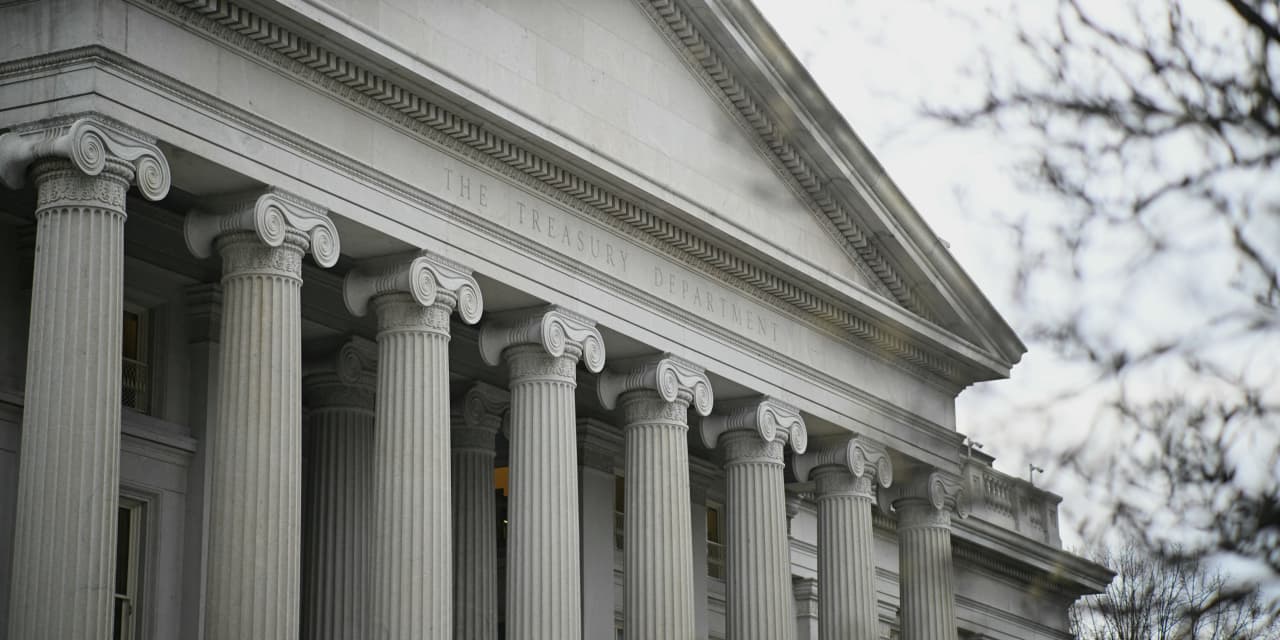
Record $100 Billion Treasury Bill Auction Marks a New Era in U.S. Government Financing
The U.S. government is set to make history this Thursday by conducting a single auction that will sell an unprecedented $100 billion in Treasury bills (T-bills) with a maturity of just four weeks. This move represents a significant shift in the way the government meets its financing needs, as it marks the largest T-bill auction in recent history. The sale is part of an ongoing strategy to manage the federal deficit and maintain low long-term interest rates.
While many analysts believe the auction will proceed without major issues, there are growing concerns about the risks associated with relying heavily on short-term debt. The increased use of T-bills could eventually lead to higher financing costs for the government if market conditions change unexpectedly. This week’s auction is an increase of $5 billion from last week’s $95 billion sale of similar bills, highlighting the scale of the government’s current borrowing strategy.
One of the key reasons behind the Trump administration's reliance on T-bills is to avoid the potential problems caused by rising long-term interest rates. In May, the 30-year Treasury yield surpassed 5% due to concerns over the U.S. fiscal outlook, and it briefly rose above that level again in July. These fluctuations have raised alarms among economists and investors alike.
According to the Congressional Budget Office, the fiscal package signed into law by President Trump on July 4 — officially known as Public Law 119-21 — is expected to add approximately $4.1 trillion to the federal deficit through 2034 when considering debt-service costs. This has led to increased pressure on the Treasury to find ways to finance the growing deficit without triggering further spikes in long-term interest rates.
Thomas Graff, chief investment officer at Facet, a financial planning company based in Baltimore, explained that the Treasury is choosing to issue record amounts of T-bills to keep long-term rates low. However, he also pointed out that this strategy comes with trade-offs. “Issuing more supply puts upward pressure on short-term interest rates,” Graff said. “If there is less appetite for U.S. debt, the cost of issuing short-term bills could become significantly higher.”
Despite these concerns, the market appeared to handle the previous auctions relatively well. On Wednesday, all three major U.S. stock indexes closed higher, and rates on 1-month through 1-year T-bills remained largely unchanged. Analysts at FHN Financial in Chicago noted that money-market funds held over $7 trillion in assets in the week ending last Wednesday. This large pool of liquidity is seen as a positive sign for the upcoming $100 billion auction.
Will Compernolle, a strategist at FHN Financial, emphasized that the size of Thursday’s auction reflects how quickly the Treasury is ramping up its bill issuances. “This is symbolic of the scale needed to fund the federal deficit and keep auction sizes unchanged for government debt maturing beyond one year,” he said. While he believes the market can handle the issuance, he also warned that the government’s heavy reliance on short-term debt makes it more vulnerable to changes in interest rates.
Compernolle added that future T-bill auctions may need to exceed $100 billion, but the Treasury has the flexibility to adjust auction sizes if necessary. However, there are still many uncertainties that could affect the success of these operations. Factors such as a potential buyers’ strike, rising inflation, economic recessions, or shifts in the value of the dollar could all contribute to higher short-term interest rates.
Graff highlighted the risks involved in assuming that investors will continue to reinvest maturing proceeds at the same rate. “If something changes — whether it’s higher inflation, a stronger economy, or worries about the Fed cutting interest rates too much — the cost of debt service could go way up,” he said. He warned that the situation could appear stable until it suddenly becomes problematic.
As the U.S. government continues to rely on short-term debt to manage its growing deficit, the balance between maintaining low interest rates and avoiding excessive borrowing costs remains delicate. The coming months will be critical in determining whether this strategy can sustain itself or if it will lead to unintended consequences.

Posting Komentar untuk "Government's Bold New Funding Strategy Sparks Debate"
Posting Komentar