
Hawaii's New Tourism Tax Targets Climate Change Costs
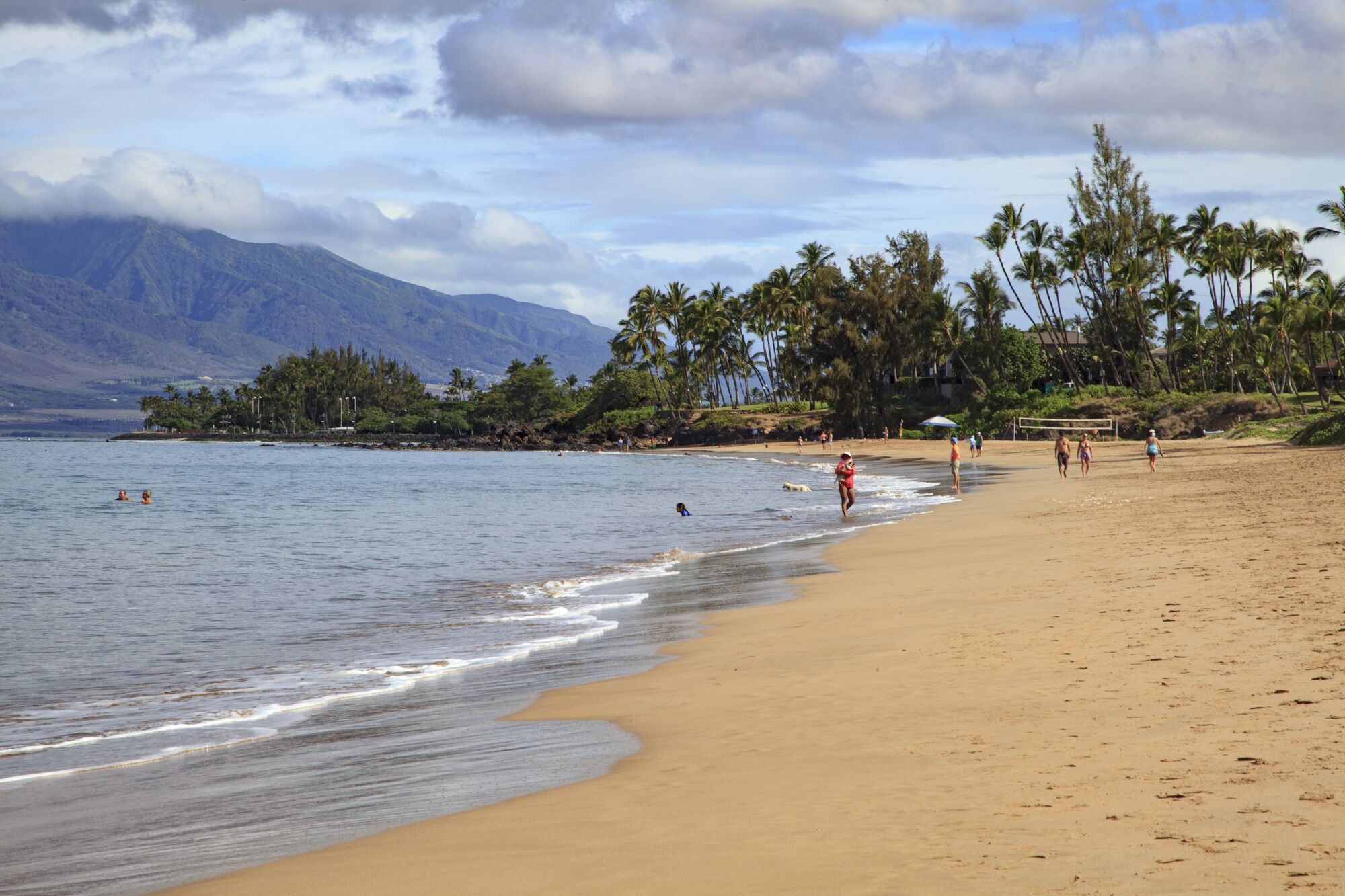
Hawaii’s New Green Fee: A Bold Step Toward Environmental Protection
As Hawaii approaches the second anniversary of the Maui wildfires, which devastated 17,000 acres of land and caused $5.5 billion in damage, the state is taking a proactive approach to address future climate-related disasters. Governor Josh Green has introduced a groundbreaking initiative known as the “green fee,” aimed at leveraging tourism revenue for environmental conservation.
The green fee, approved by the legislature on May 2, marks the first of its kind in the United States. It involves increasing the existing tourism levy from 10.25% to 11%, resulting in an additional $2 per day for each of Hawaii’s 10 million annual tourists. Unlike traditional tourism taxes that fund infrastructure like roads and public transportation, this new fee will be dedicated exclusively to environmental projects. These include efforts to restore beaches and coral reefs, as well as the removal of fire-prone grasses.
This initiative is expected to generate approximately $100 million annually, significantly boosting Hawaii’s budget for green infrastructure. In 2021, the state allocated only 1% of its economy to such projects, leaving a shortfall of about $560 million per year. According to Jack Kittinger, senior vice president for Conservation International’s Center for Regenerative Economies, this funding gap is a major contributor to the decline in environmental quality.
The Maui fires served as a catalyst for the legislative action, prompting Governor Green to push for the bill after years of unsuccessful proposals. “Those fires profoundly awakened our state to the reality that we have to have a mechanism to mitigate risk and prepare for future potential disasters,” Green explains.
The green fee will take effect on January 1, 2026, but it has already sparked a broader conversation about sustainable tourism management across the U.S. and globally. Similar initiatives are emerging elsewhere, such as the recent introduction of tourism fees for foreign visitors in national parks and the implementation of new rules in destinations like Venice and Bhutan to manage tourism impact.
Addressing the Challenges of Tourism
Hawaii's tourism industry brings in 10 million visitors annually, placing significant pressure on the state’s ecosystem. This includes increased trampling of trails and vegetation, littered beaches, and greater strain on water and sewage resources. To tackle these issues, Green has outlined several priority projects, including securing roads threatened by ocean surge and fortifying crumbling bluffs.
These investments aim to preserve tourism sites and improve the quality of life for locals while also creating jobs. Each island’s legislators will contribute to determining the specific priorities. If successful, the green fee could expand; if not, it may be discontinued within the year.
An example of small changes leading to big impacts can be seen on Kauai’s Nepali coast. By eliminating parking at a beach park and introducing a pay-to-ride shuttle service, once-trampled areas began to recover, and local jobs were created. This model serves as a blueprint for statewide efforts.
Shifting Focus: From Promotion to Stewardship
To emphasize sustainability, Governor Green is phasing out the Hawaii Tourism Authority (HTA), an agency that has led policy and marketing efforts since 1998. The HTA will be replaced by the Destination Stewardship Organization, a nonprofit focused on community values, sustainability, and control rather than treating tourism as a commodity.
Despite some criticism, particularly from budget-conscious surfers who refer to the new levy as a “surf tax,” the overwhelming consensus is that neither tourists nor hotels are significantly affected by the increased fee. Carl Bonham, a professor of economics at the University of Hawaii, notes that the hotel industry supports the bill because the funds are being reinvested in protecting the environment that sustains tourism.
However, concerns remain about the growing number of fees and permits that tourists must navigate. Online forums reflect frustration over the complexity of these requirements. Malia Hill, director of policy for the Grassroot Institute of Hawaii, warns that these challenges could negatively impact the destination’s appeal and visitor spending.
A Model for Other States?
Hawaii’s green fee draws inspiration from international examples such as Bhutan’s Sustainable Development Fee and Palau’s Pristine Paradise Environmental Fee. These high fees help manage tourism in delicate ecosystems, attracting fewer but higher-paying travelers. Similar initiatives are gaining traction in other destinations, including Venice, Greece, the Maldives, Bali, and New Zealand.
Green believes that Hawaii’s approach could serve as a model for other states, especially those facing similar climate challenges. “I have had some interest from two or three governors,” he says. “It’s probably different for everyone, but I expect other places that have challenges with the climate, especially those with long shorelines or fire hazards, to do some version of this.”
As Hawaii moves forward with its green fee, the state is setting a precedent for using tourism revenue as a tool for environmental protection, aiming to preserve its natural wonders for future generations.

Posting Komentar untuk "Hawaii's New Tourism Tax Targets Climate Change Costs"
Posting Komentar