
His In-Law Visits Are Great—Until the GPS Causes Offense
Understanding the Conflict
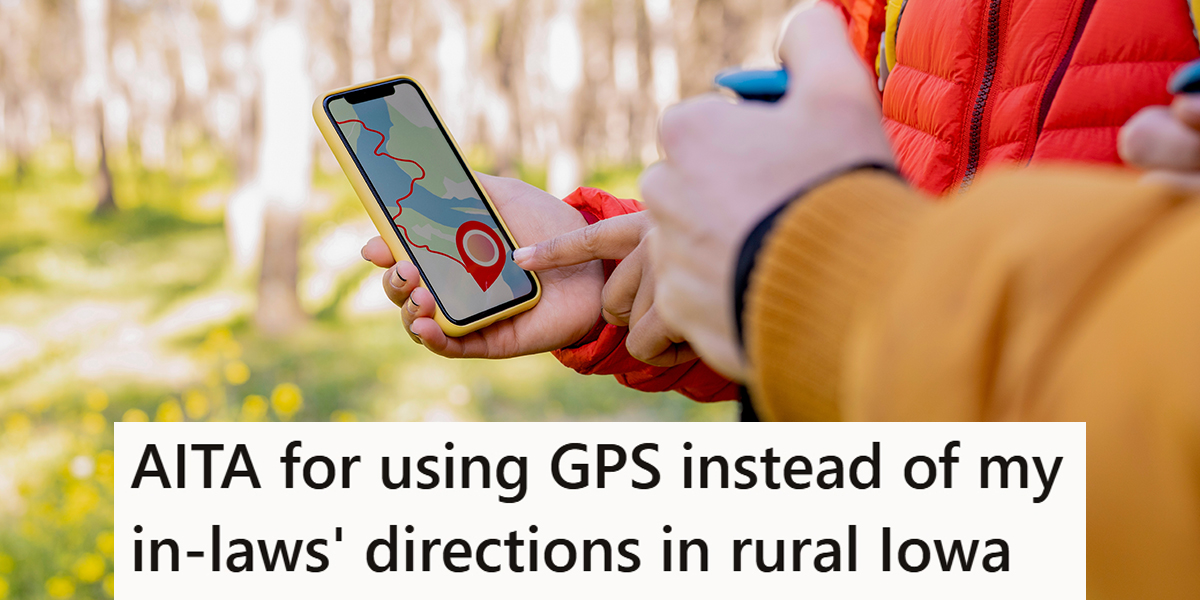
In many households, there are moments when technology and tradition clash. This is especially true in situations where family members have differing opinions on how to navigate the world. One such situation involves a person who finds themselves at odds with their in-laws over the use of GPS navigation versus traditional directions.
The individual in question has been married to an Iowan for nearly two decades and regularly visits rural Iowa for holidays and family gatherings. While they deeply love their in-laws, there is a persistent issue regarding the way directions are given during these visits. The in-laws, who are not particularly tech-savvy, tend to rely on their own knowledge of the area, which often leads to longer and less efficient routes.
The Problem with Traditional Directions
In rural Iowa, it's common to travel 30-50 miles to reach destinations like coffee shops, stores, or restaurants. The in-laws have established routes that they believe are the best, but these often involve gravel roads and other less-than-ideal conditions. Despite this, they refuse to consider the GPS suggestions, even when it's clear that the recommended route is faster and more efficient.
When the individual has tried to point out the advantages of using the GPS, the in-laws dismiss the suggestions outright. They also ignore the potential benefits of GPS in terms of alerting them to road closures or traffic issues. Even when these situations occur, the in-laws seem to brush off the importance of the technology, often laughing it off and continuing on their original path.
A Double Standard?
One particular instance stands out. The individual was driving and noticed that the GPS suggested a route that would save 12 minutes compared to the in-laws' preferred path. Instead of following the traditional route, the individual chose the faster option, pretending not to hear the in-laws' directions. This decision caused some irritation, but the individual felt it was necessary to move past outdated methods.
What is frustrating is that the in-laws do use GPS when visiting the individual's home state, which is a much larger metro area. This inconsistency highlights a double standard, as they recognize the value of technology in one setting but not in another.
Perspectives from Others
This situation sparked discussions on platforms like Reddit, where users shared their own experiences and opinions. Some people believe that the choice of route should be up to the driver, while others acknowledge that sometimes the data available in rural areas isn't always accurate. However, many still argue that trusting a GPS over traditional directions is a better approach.
Others have shared similar stories, noting that navigating rural areas can be challenging regardless of the method used. The key takeaway from these discussions is the need for open communication and mutual respect between family members, especially when it comes to matters of navigation and technology.
Conclusion
Navigating the balance between tradition and technology can be complex, especially within family dynamics. While it's important to respect the knowledge and experience of older generations, it's equally vital to recognize the benefits that modern technology can offer. Finding a middle ground that respects both perspectives can lead to smoother interactions and a more harmonious relationship.

Posting Komentar untuk "His In-Law Visits Are Great—Until the GPS Causes Offense"
Posting Komentar