
Homes More Affordable in 11 Major U.S. Cities
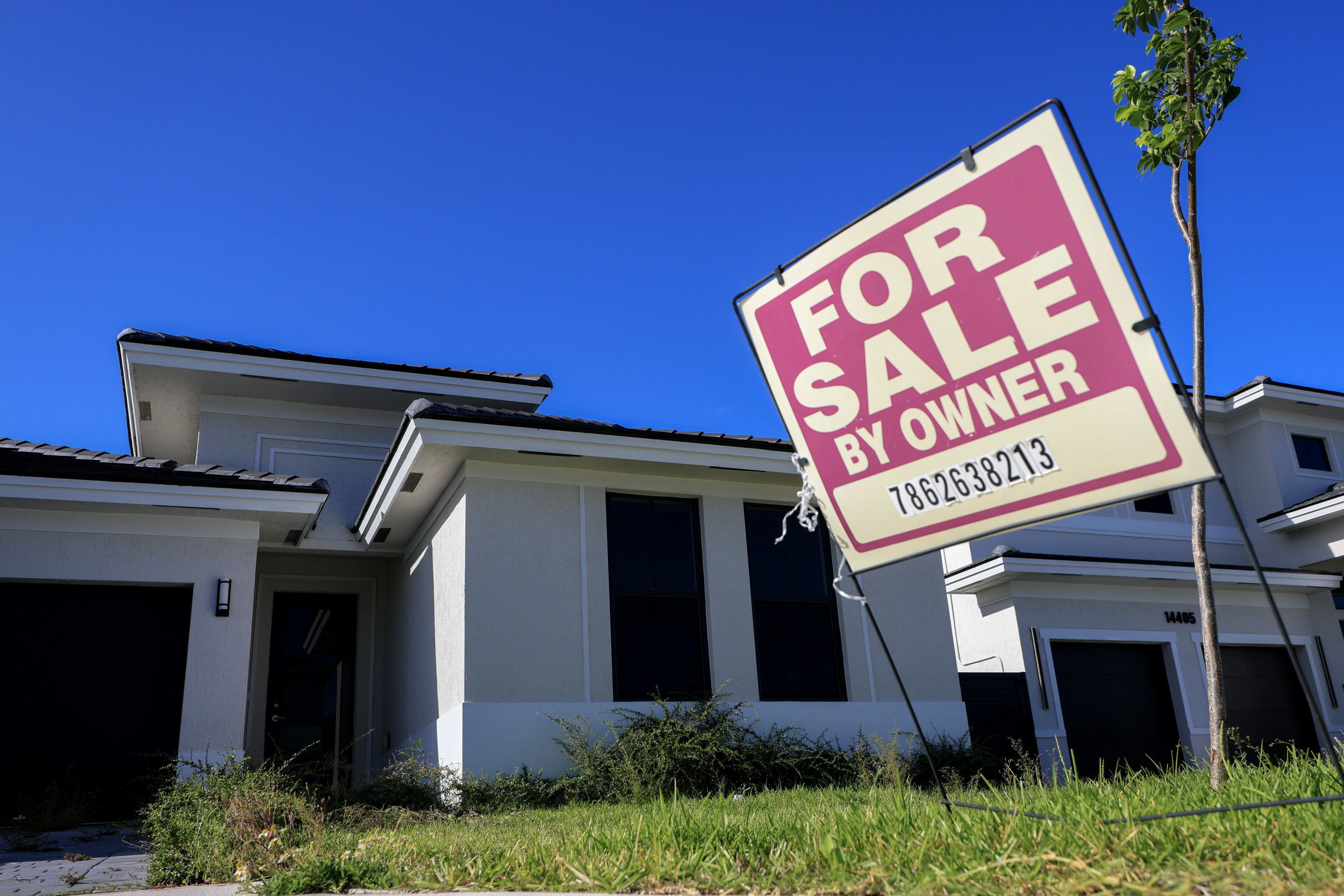
Housing Affordability Trends in Major U.S. Metro Areas
Housing affordability in a dozen major metropolitan areas is showing signs of improvement, as the national housing inventory increases. This trend is counterbalanced by rising median home prices and higher mortgage and interest rates. Understanding these shifts is essential for both potential homeowners and policymakers who are working to bridge the gap between income levels and the cost of owning a home.
The nationwide challenge remains significant, with the average buyer needing to earn about $25,000 more than the median household income to afford a median-priced home. According to Redfin's analysis, the situation continues to be tough, but some relief is emerging in certain regions.
Key Developments in Housing Affordability
New data from Redfin, released on August 6, highlights positive changes in 11 major U.S. metro areas, many located in the Sun Belt. These cities previously experienced rapid price growth during the pandemic. The data, based on Multiple Listing Service (MLS) information as of June 2025, shows that the annual income required to purchase a median-priced home has decreased in 11 of the 50 largest U.S. metro areas.
Oakland, California, saw the most significant drop at 4.6 percent, with the required income falling to $244,073. Other cities experiencing notable declines include West Palm Beach, Florida (-3.7 percent); Jacksonville, Florida (-3.5 percent); San Diego (-3.2 percent); and Tampa, Florida (-2.1 percent). Additional cities such as Atlanta, Phoenix, St. Louis, Orlando, Sacramento, California, and Dallas also reported measurable improvements in affordability.
This trend is largely due to falling home prices, which resulted from a surge in housing construction during the pandemic. Similar reductions were observed in other cities. Florida stood out with four metros—West Palm Beach, Jacksonville, Tampa, and Orlando—on the list, attributed to reduced prices amid increased insurance costs, HOA fees, and natural disasters affecting the market.
Despite these improvements, affordability gaps still exist. The typical U.S. homebuyer needs an annual income of $112,131 to afford the median-priced home, which is about $25,000 more than the median household earns. Nationwide, an estimated 39 percent of household income goes toward housing, slightly down from 40.5 percent a year ago. About 34.6 percent of home listings are considered affordable to the typical household, representing a minor improvement compared to the previous year.
Contrasting Trends in Different Regions
Conversely, some of America’s most affordable metros faced increased difficulty, with the income needed to buy rising rapidly. Detroit saw a 9.9 percent increase, though it remains the lowest required income among major metros at $57,432. Other Rust Belt cities like Cleveland, Newark, Chicago, and Pittsburgh also reported increases as influxes of buyers drive up prices despite their historical affordability.
Midwestern cities like Detroit and Cleveland still offer median home prices around half the national average, making them attractive for people relocating from high-cost coastal regions.
Challenges in Home Affordability
Andrew Lieb, a real estate litigator, noted that the two main issues affecting home affordability are mortgage rates and insurance costs. He explained that while mortgage rates affect everyone, insurance costs are location-specific. For example, living near water or having a large property can significantly increase insurance expenses.
Andrew Ragusa, a real estate broker in New York City and Long Island, mentioned that there are no current affordability improvements in his region. He highlighted challenges in Florida, where homes are often standardized and lack uniqueness, leading to competition among sellers and lower prices.
Perspectives from Real Estate Professionals
Katie Shook, a Redfin Premier real estate agent in Phoenix, shared insights into the current market dynamics. She noted that buyers are struggling with affordability and are asking for major concessions. Sellers are now offering incentives such as covering closing costs to seal deals. Features like landscaped backyards or pools are no longer fetching the same returns, as buyers are less willing to pay premiums for them.
Future Outlook
With home prices leveling off or declining in several major metros and inventories expected to rise, industry analysts anticipate modest improvements in affordability across more markets by the end of 2025. Redfin’s data suggests that national home prices could fall by up to 1 percent by year-end, providing opportunities for potential buyers to reenter the market. However, real estate markets remain highly regional, with varying conditions across different areas.

Posting Komentar untuk "Homes More Affordable in 11 Major U.S. Cities"
Posting Komentar