
How Food Reaches the Grocery Store
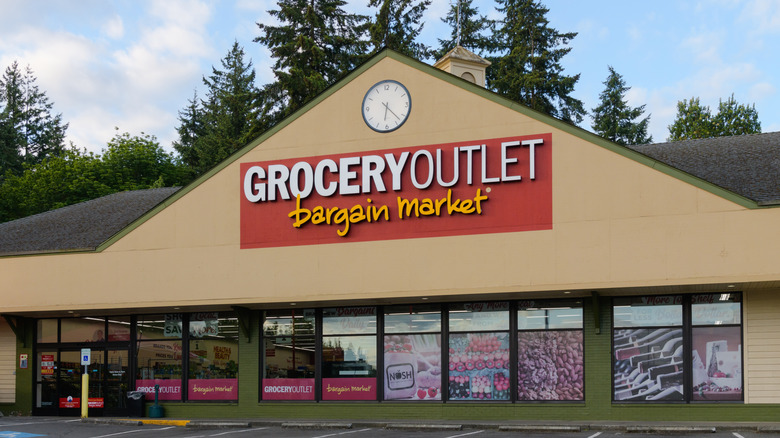
The Rise of Grocery Outlet: A Hidden Gem in the Grocery Market
When it comes to finding great deals on groceries, Costco, Sam's Club, and Aldi often come to mind. These retailers are known for their competitive pricing and bulk shopping options, making them popular choices for budget-conscious shoppers. However, there's another player in the grocery game that might not be as widely recognized but offers some of the most impressive discounts—Grocery Outlet.
With over 500 locations across the United States, Grocery Outlet has carved out a niche for itself by providing significant savings on brand-name products. Unlike traditional supermarkets, which rely on consistent inventory and fixed pricing, Grocery Outlet takes a different approach. It sources its products through opportunistic buying, meaning it purchases surplus or excess items from manufacturers at a fraction of the cost. This strategy allows the chain to offer deep discounts without compromising on quality.
How Does Grocery Outlet Get Its Products?
The way Grocery Outlet acquires its merchandise is unique. It often buys products that manufacturers have in excess due to various reasons such as surplus inventory, packaging changes, or manufacturing overruns. These items are typically sold at a much lower price than what they would normally command, allowing Grocery Outlet to pass on the savings to customers. As a result, the average price at Grocery Outlet is about 40% lower than that of a typical supermarket. Some of its "Wow! Items" can even be up to 70% cheaper.
This dynamic sourcing model means that the product selection at any given store can change frequently. While this might be frustrating for shoppers who love certain items, it also creates an element of surprise and excitement. Many customers enjoy the thrill of discovering new bargains each time they visit.
Independent Ownership and Localized Selection
Most of Grocery Outlet’s stores are independently operated, with individual owners selecting the products they carry based on what they believe will appeal to their local communities. This localized approach allows for a more tailored shopping experience, as each store can adjust its inventory to meet the specific needs and preferences of its customers.
In addition to its wide range of discounted branded products, Grocery Outlet also offers fresh items such as meat, eggs, milk, and produce. These items are sourced in the same way as traditional supermarkets, but the chain still manages to sell them at prices that are either equal to or lower than the lowest supermarket prices in the area.
Expanding Its Reach and Brand Portfolio
To further enhance its offerings, Grocery Outlet has introduced its own private label brands, including Simply GO for regular groceries, GO Home & Haven for home and personal care items, and GO Paw & Pamper for pet products. These store brands provide additional value to customers while helping to keep costs low.
The company was founded in 1946 by Jim Read as a military surplus store in San Francisco, offering big price markdowns. It wasn’t until 1973 that the first independent operator store opened in Redmond, Oregon. Over the next few decades, the chain expanded its offerings, adding fresh produce in the 1990s and meat sales shortly after. Today, Grocery Outlet operates 533 stores across 16 states, with a significant presence in California and now expanding into the Southern U.S. thanks to the acquisition of United Grocery Outlet in 2024.
Tips for Smart Shopping
For those looking to maximize their savings, there are a few helpful tips. Shopping for groceries just once a week can help avoid impulse purchases, while knowing when to avoid the store altogether can prevent unnecessary spending. By leveraging the unique model of Grocery Outlet, shoppers can find incredible deals on high-quality products without breaking the bank.

Posting Komentar untuk "How Food Reaches the Grocery Store"
Posting Komentar