
I Grew Up Upper-Middle Class: 3 Money-Saving Habits I Never Chose to Waste
Understanding the Value of Money
Growing up in an upper-middle-class environment doesn’t always equate to extravagant spending. In fact, it often teaches individuals how to avoid unnecessary expenditures. When comfort and access are guaranteed, people tend to recognize which items are truly worth their cost—and which are just overpriced hype. This awareness can shape financial habits that last a lifetime.
Designer Clothing: A Lesson in Value
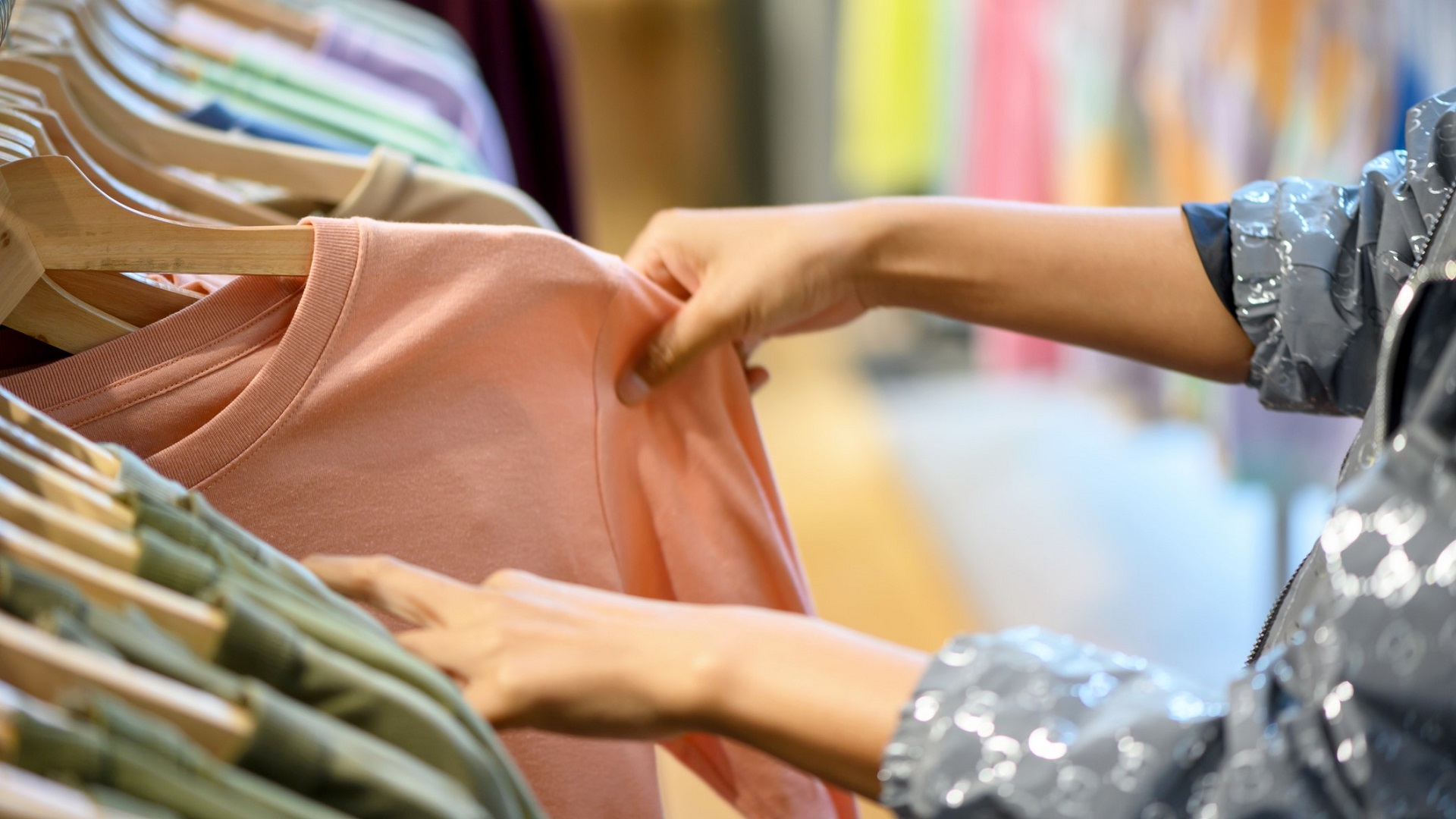
Amanda New, founder and CEO of Cash For Houses Girl, shared her insights on the things she never wastes money on. Having grown up in an upper-middle-class home, she was exposed to high-end fashion long before she could afford it herself. While designer clothing is undeniably appealing, New explained that investing hundreds of dollars in a single piece isn't always practical.
Instead of splurging on designer labels, she has learned to find affordable alternatives that look just as good. Thrift stores, online consignment shops, and markdowns at favorite retailers offer trendy options at a fraction of the price. This approach not only saves money but also promotes sustainable shopping habits.
Avoiding Excessive Technology Upgrades
In today's fast-paced world, new technology is constantly being released, making it tempting to upgrade gadgets frequently. However, New emphasized that this habit can be costly and environmentally damaging. Instead of chasing the latest trends, she advocates for investing in quality products that last longer and have a smaller environmental footprint.
By choosing reliable devices that serve their purpose for several years, individuals can save money while also contributing to a more sustainable future. This mindset reflects a broader understanding of value beyond just immediate gratification.
Combating Impulse Buying
Impulse buying is a common pitfall that many people face. Whether it's due to a sale or the allure of a new item, these spontaneous purchases can lead to unnecessary spending and contribute to waste. New highlighted the importance of mindful consumption as a way to combat this issue.
Before making a purchase, she suggests taking a moment to consider whether the item is truly needed or if it’s just a passing desire. This practice helps reduce the number of unused items that end up in landfills, promoting a more thoughtful approach to consumerism.
Additional Tips for Financial Wisdom
There are several other ways to build wealth and manage money effectively. For instance, earning passive income can be a straightforward process that starts with small steps. By exploring different avenues, individuals can create multiple streams of income that support their financial goals.
Moreover, understanding the median income for the upper-middle class can provide valuable insights into financial planning. Knowing where you stand financially can help in making informed decisions about spending, saving, and investing.
Conclusion
The lessons learned from growing up in an upper-middle-class environment can have a lasting impact on one's financial habits. By focusing on value, sustainability, and mindful consumption, individuals can make smarter choices that benefit both their wallets and the planet. These principles not only help in avoiding wasteful spending but also contribute to a more responsible and thoughtful approach to life.

Posting Komentar untuk "I Grew Up Upper-Middle Class: 3 Money-Saving Habits I Never Chose to Waste"
Posting Komentar