
Is There a Generation Gap in Location Sharing?
Understanding the Debate Around Location Sharing in Relationships
In today’s digital age, sharing your location with a partner has become a common practice for many. However, it's also sparked a lot of discussion and debate. Some people see it as a convenient tool, while others view it as an invasion of privacy. The question is: should you share your location with your partner, and does your age play a role in this decision?
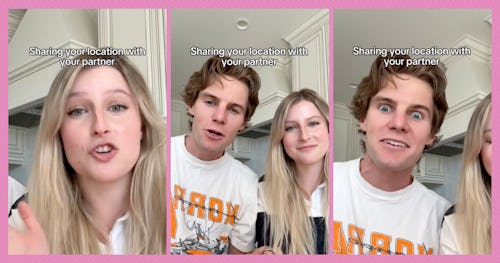
A recent TikTok video by creators Maya and Hunter brought attention to this topic. They suggested that whether or not someone supports location sharing often depends on their age. According to them, people over the age of 35 tend to be more skeptical about sharing locations, seeing it as a form of control or mistrust. On the other hand, younger individuals are more likely to see it as a helpful feature for safety and convenience.
Maya and Hunter shared their own experiences, highlighting how they don’t feel the need to constantly check each other’s locations. For them, it’s more about trust than tracking. “I can’t remember the last time I checked her location, other than just to find out where she parked,” Hunter said. This sentiment reflects a broader trend where younger generations are more open to using technology in ways that enhance their relationships without compromising personal space.
However, this isn’t a universal opinion. Many people, regardless of age, have mixed feelings about location sharing. Some argue that it’s unnecessary, especially when simple communication methods like texting can suffice. Others believe that the convenience of knowing where a partner is at any given moment can be beneficial, especially in situations where timing matters, such as coordinating dinner plans or ensuring someone is safe.
Perspectives from Different Generations
The debate around location sharing isn't strictly divided by age, but there are noticeable trends. Older individuals often express concerns about privacy and autonomy, viewing constant tracking as a potential sign of distrust. They may have grown up in an era where personal space was more valued, and the idea of being monitored by a partner feels intrusive.
On the flip side, younger generations tend to be more tech-savvy and comfortable with digital tools. For them, location sharing is often seen as a way to stay connected and ensure safety. It's not uncommon for friends or partners to share their locations as a gesture of trust and closeness.
Despite these differences, there are also those who fall in the middle. Some people might use location sharing occasionally, depending on the situation, rather than as a constant feature. Others may choose not to share their location at all, preferring traditional methods of communication.
Safety vs. Privacy
One of the most compelling arguments for location sharing is safety. In situations where someone is traveling alone or in an unfamiliar area, knowing their location can provide peace of mind. For example, a person might share their location with a friend or partner during a late-night drive home, ensuring that someone knows where they are if something goes wrong.
However, this argument doesn’t always hold true for everyone. Some people feel that the ability to know where someone is at any time can lead to overstepping boundaries. There’s a fine line between being considerate and being overly controlling, and this line can vary from relationship to relationship.
The Role of Trust in Relationships
At the heart of the debate is the concept of trust. If two people trust each other, they may not feel the need to track each other’s movements. Conversely, if there's a lack of trust, location sharing could be seen as a way to monitor a partner’s behavior. This dynamic can create tension, especially if one person feels pressured to share their location even if they’re uncomfortable with it.
Ultimately, the decision to share your location should be based on what feels right for both individuals involved. There’s no one-size-fits-all approach, and what works for one couple may not work for another. Open communication and mutual understanding are key to navigating this aspect of modern relationships.
Conclusion
Whether or not to share your location with your partner is a personal choice that depends on various factors, including age, trust, and individual preferences. While some see it as a convenient tool, others view it as an unnecessary intrusion. The key is to find a balance that respects both parties’ comfort levels and ensures that the relationship remains healthy and respectful.

Posting Komentar untuk "Is There a Generation Gap in Location Sharing?"
Posting Komentar