
Knoxville Family Lost $1.8K and Home in Rental Scam Trap
A Scam That Left a Family Homeless
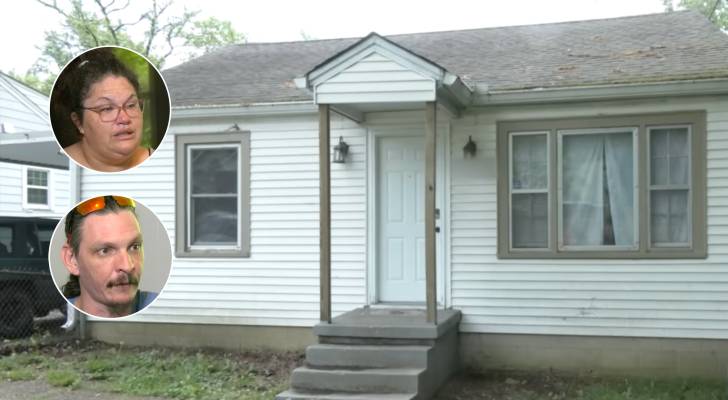
When Alex Todd, his sister-in-law Natalie Ryffel, and their spouses were looking for a rental home in Knoxville, Tennessee, they turned to Facebook Marketplace. The listing appeared to be within their budget, so they reached out to the landlord. Instead of meeting them in person, the landlord instructed them to view the property themselves using a lockbox code. This was supposed to be a self-viewing home.
The couple didn’t see any red flags during the process. They paid $1,800 — $850 for rent, $850 for a security deposit, and a $100 application fee — and were given another lockbox code to move in. However, shortly after moving in, they received a notice from the realty company stating that they were illegally residing at the property and had to vacate immediately.
The landlord, Buh-laal Mustafa Hatim, had initially contacted Todd through phone and text messages. He sent an official-looking contract and requested payments through Chime. Todd said he didn’t think anything was wrong at the time, as he assumed the landlord might not have a traditional bank account. But it turned out to be a scam.
The real estate company involved has offered the family a free week-long stay at a hotel while they search for a new place to live. However, the chances of recovering the $1,800 they lost are slim. “You have people who work hard for that money, only for it to be gone,” Ryffel said.
Understanding Rental Scams
In 2024, the FBI received over 9,359 complaints related to real estate fraud, with total losses exceeding $173 million. While the breakdown by specific scam types isn’t clear, rental scams are becoming increasingly common. One such method is the self-showing scam, where fraudsters pose as real estate agents or landlords.
Scammers often access legitimate listings and gain access to lockboxes by creating fake accounts. They then allow tenants to tour the property on their own, collect payment, and disappear. This is why it’s crucial to be cautious of any rental that doesn’t involve an in-person meeting with the landlord or property manager.
Red Flags to Watch For
There are several signs that can help you identify a potential scam:
- Money First: If the landlord asks for payment before you’ve even seen the property, this is a major red flag.
- Too Good to Be True: If the rent is significantly lower than what’s typical in your area, it may be too good to be true.
- Untraceable Payments: Requests for payments via cash, cryptocurrency, or gift cards should raise concerns.
In Todd and Ryffel’s case, cross-checking the listing on other platforms could have helped them avoid the scam. It’s also wise to verify the legitimacy of the property by calling the realty company directly and asking to meet the landlord in person.
Tips for Avoiding Scams
To protect yourself from rental fraud, consider the following steps:
- Double-check listings on multiple platforms like Zillow or Realtor.com.
- Verify contact information and reach out to the realty company directly.
- Never send money upfront without seeing the property in person.
- Be wary of unconventional payment methods like crypto or gift cards.
By staying informed and vigilant, renters can reduce their risk of falling victim to scams. Always trust your instincts and take the necessary precautions when searching for a new home.

Posting Komentar untuk "Knoxville Family Lost $1.8K and Home in Rental Scam Trap"
Posting Komentar