
Maui Residents Struggle with Uneven Recovery After Lahaina Fires
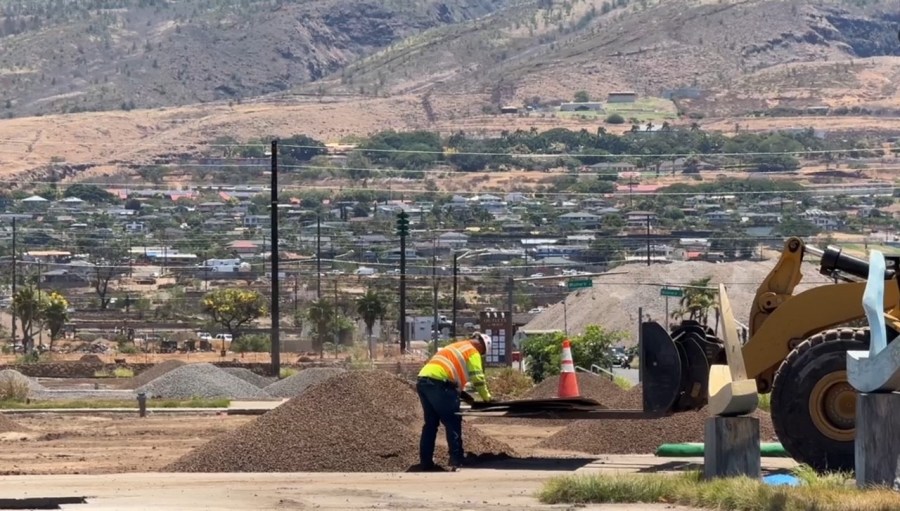
Two Years After the Lahaina Wildfires, Recovery Remains Uneven
Nearly two years after the devastating Lahaina wildfires, a new report provides insight into how residents of Maui are faring in the aftermath. While there are signs of progress, researchers from the University of Hawaii Economic Research Organization (UHERO) note that many families continue to face significant challenges.
UHERO’s latest study offers one of the most comprehensive looks at the recovery process on Maui, based on nearly a year of monthly survey data from over 950 individuals affected by the fires. The findings reveal both positive developments and ongoing struggles for those impacted.
One of the key observations is that more residents have transitioned into permanent housing. The number of people living in shelters or temporary rentals has decreased by half since late 2024. Additionally, median rents are beginning to stabilize, and nearly three-quarters of those receiving rental assistance are paying less than they did before the fires.
However, despite these improvements, many families still struggle with financial burdens. The job market on Maui has not fully recovered, and full-time employment has yet to return to pre-fire levels. According to Rick Nava, a Lahaina resident and Board Chair for the Maui Chamber of Commerce, the loss of Front Street—a major employment hub—has had a lasting impact.
“Front Street provided employment for a lot of the people here. That’s the perfect place for them to have a second job. It’s no longer there, and a lot of jobs here do not pay enough to survive,” Nava said.
The report also highlights economic challenges. Nearly 60% of households report earning less than they did before the fires, and poverty rates have nearly doubled, with one in four households now living below the poverty line.
While some areas show signs of improvement, others reveal growing disparities. The need for food, housing, and financial assistance has declined for some, but for others, the gaps remain wide.
Carl Bonham, UHERO Executive Director, acknowledged the slow pace of recovery. “I would characterize this as about where we would have expected. We would like to be further along, but maybe that was not reasonable,” he said.
For many, recovery extends beyond just housing and jobs—it includes a sense of safety. Recent brush fires in Kaanapali have reignited fears among residents who lost their homes in the original disaster.
“We have all this dry land again, all the following, you know, everything that happened with basically the fuel to the fire. It’s there again. I mean, hopefully we have more firefighters this time. But you know, the best solution is to prevent the fire from happening,” Nava said.
UHERO emphasizes that the recovery process remains uneven. The report, titled “Progress and Vulnerability Two Years After the Wildfires,” underscores the need for continued support in addressing housing affordability and workforce access. Without these improvements, large segments of the population may continue to be left behind.
The findings are based on monthly survey responses collected over the past year and were released on August 5. The report serves as a critical resource for understanding the long-term impacts of the fires and identifying areas where additional support is needed.

Posting Komentar untuk "Maui Residents Struggle with Uneven Recovery After Lahaina Fires"
Posting Komentar