
Mazda Stays Positive About U.S. Market Despite $1.6B Tariff Hit
The Impact of Tariffs on Automakers
The increasing tariffs on imported vehicles and raw materials are beginning to take a significant toll on automakers' profits. General Motors is facing potential losses of $4-5 billion, Ford around $3 billion, and Stellantis approximately $2 billion—just for 2025. Mazda, too, is feeling the strain, with an estimated $1.6 billion impact from import taxes by the end of its fiscal year in March. However, the company's leadership remains optimistic about mitigating these challenges.
According to Automotive News, Mazda’s CEO, Masahiro Moro, believes that a "cocktail of countermeasures" could reduce the company's tariff exposure by 60 percent. This strategy comes as all automakers affected by Trump-era tariffs have devised ways to avoid financial losses due to the 15 percent import taxes and 50 percent duties on materials like aluminum and steel.
Mazda’s situation is particularly poignant given its relatively small market share in the U.S., at just 3 percent, which is the lowest among Japanese carmakers. Despite this, the company saw a 17 percent sales increase in 2024, with Moro and his team aiming to maintain this momentum in 2025.
Why Mazda Succeeded in 2024
Mazda’s success in the U.S. market can be attributed to its appealing lineup of affordable SUVs that offer reliability, versatility, and fuel efficiency. Americans have consistently shown a strong preference for Mazda’s vehicles, making them a favorite among consumers.
I’ve owned three Mazdas: a Miata, a small pickup, and a subcompact 323. When I was regularly reviewing cars, I was always impressed by the company’s offerings. What stands out about Mazda is its positive and fun-loving attitude, which has become a hallmark of the brand.
Facing a Tough Quarter
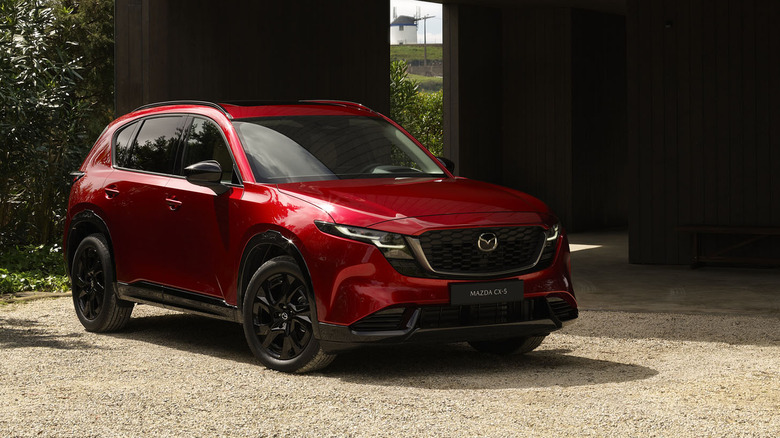
Despite this optimism, Mazda recently reported a net loss, prompting the company to adopt strategies aimed at reducing costs. These include raising prices and cutting incentives. A rough calculation suggests that if Mazda reduces the average $2,800 in incentives it has offered and increases sticker prices on its 2026 U.S. models, customers could face an additional cost of four or five thousand dollars for a CX-5.
The challenge ahead is significant: Mazda aims to cut operating costs by over half a billion dollars while still managing to turn a profit, albeit a much smaller one.
Focusing on High-Margin SUVs
One approach to overcoming these challenges is to focus more on selling high-margin SUVs such as the CX-50, CX-70, and CX-90. This strategy, combined with higher prices and fewer incentives, may help Mazda maintain its position in the U.S. market, which is comparable to BMW's.
While some might view the situation as a bleak one, there is a silver lining. If the overall U.S. auto market declines due to tariffs, all automakers could lose out equally. However, this scenario offers little comfort for companies like Mazda, which could face significant profitability losses.
A History of Resilience
Over the past two decades, the U.S. auto market has faced several challenges, including the financial crisis and the pandemic. While it's early days, some believe that the current tariff issues could surpass both of these events in their impact. Mazda has been part of the U.S. market since 1970, and it plays a significant role in the industry, selling about a third of the 1.3 million vehicles it produces annually.
In 2019-2020, Mazda partnered with Toyota to invest over $2 billion in an Alabama factory, located in a region known for its strong support of Trump. American Mazda owners generally love the brand, and the imposition of poorly conceived tariffs seems unnecessarily harsh.
For those interested in staying updated on the latest automotive news, joining the Jalopnik newsletter is a great way to receive regular updates directly in your inbox.

Posting Komentar untuk "Mazda Stays Positive About U.S. Market Despite $1.6B Tariff Hit"
Posting Komentar