
Middle-Income Workers Bear Heaviest Tax Load
Rising Tax Burden on Middle-Class Workers
Recent analysis indicates that middle-class workers are experiencing the most significant increase in their tax burden. This trend is attributed to a "stealth raid" on income tax thresholds, which has shifted more of the tax responsibility onto this group.
According to the TaxPayers’ Alliance, the share of income tax paid by individuals earning between £43,000 and £61,900 increased from 15.1% to 17% between 2021-22 and 2025-26. Meanwhile, the top 1% of earners, those making over £201,000 annually, saw their share of income tax fall from 30.7% to 26.6% during the same period.
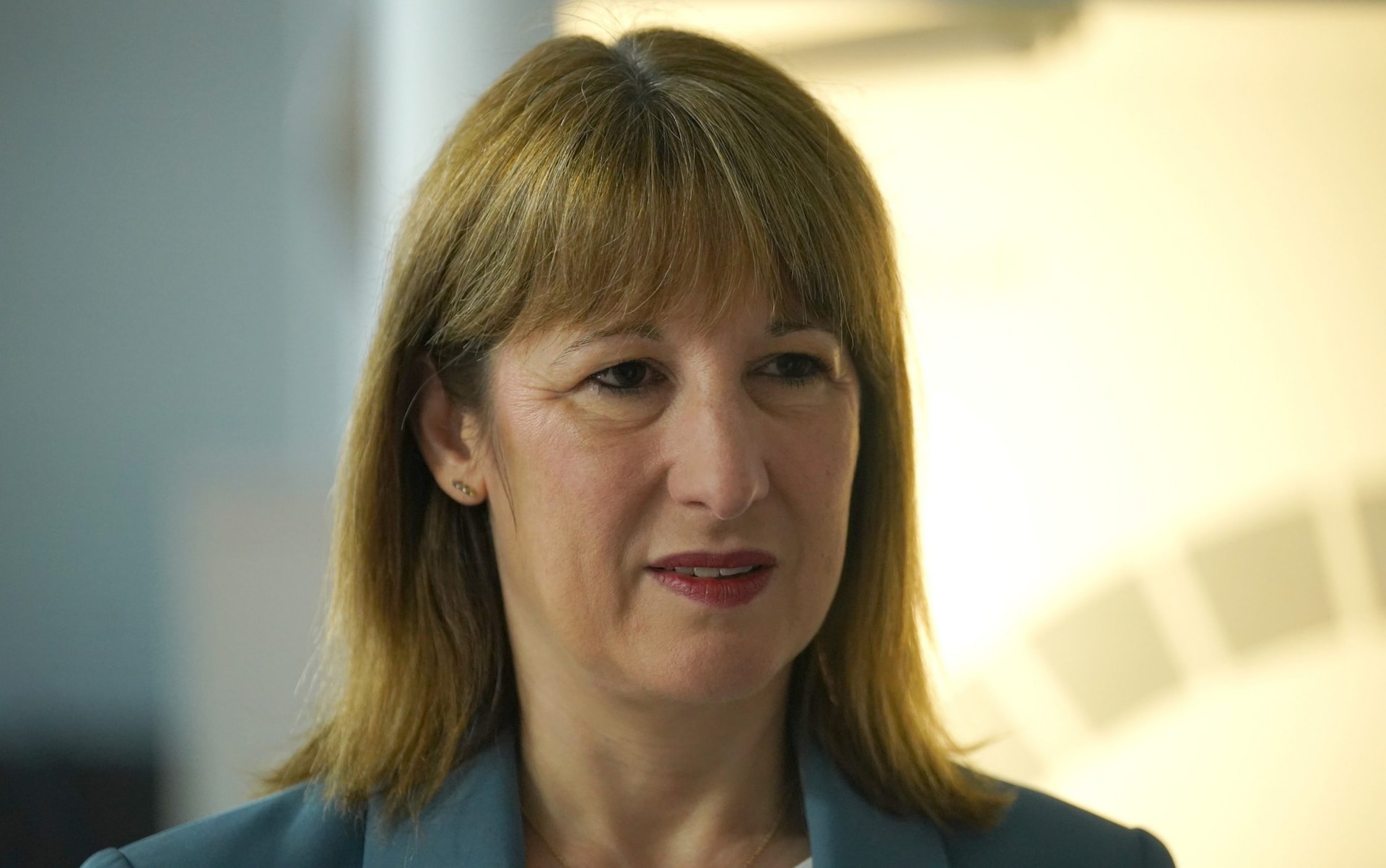
This shift comes as Chancellor Rachel Reeves deals with a £50bn black hole in public finances and declining tax revenue. High-net-worth individuals are increasingly looking to move abroad, with a 40% rise in directors relocating since Labour’s autumn Budget, according to the Financial Times.
The TaxPayers’ Alliance report highlights that the proportion of total income tax receipts increased for all groups except the top 1%. This change is due to stealth taxes introduced by previous governments. Income tax thresholds, including the £12,570 personal allowance, were frozen at 2021 levels by then-Chancellor Rishi Sunak until 2025-26. His successor, Jeremy Hunt, extended the freeze until 2027-28. Despite promises not to raise taxes on working people, Sir Keir Starmer has not ruled out extending the freeze further to 2029-30.
Keeping these thresholds frozen means that as wages rise due to inflation, more of an individual's income is taxed, a process known as fiscal drag. This has led to almost 2.9 million more people paying the basic rate of income tax in 2025-26 compared to 2021-22, and over 2.6 million more paying the higher rate. Including other rates, nearly 6 million more people are expected to pay income tax than in 2021-22.
John O’Connell, chief executive of the TaxPayers’ Alliance, commented on the situation: “This is the sad but inevitable result of successive governments’ assortment of anti-affluence tax policies, which penalise aspiration and success. The UK is now trapped in a doom loop with the Chancellor desperately scrabbling around for more cash to fill the fiscal black hole and increasingly finding her only option is to come after the middle classes.”
The National Institute of Economic and Social Research warned that slowing economic growth, a weak jobs market, and Labour’s failure to commit to welfare reform could cause Ms. Reeves to miss her borrowing targets by £41.2bn. When combined with the £9.9bn headroom she has committed to keeping, it means she faces a £51.1bn deficit in the autumn, which will need to be addressed through either tax increases or spending cuts.
The study also emphasized the importance of retaining high earners in Britain. Although the top 1% of earners contribute less to income tax, they still account for over a quarter of all income tax receipts. Analysis by the Financial Times found that 3,790 company directors left Britain between October and July, compared to 2,712 in the same period a year earlier. Notable departures include Richard Gnodde, Goldman Sachs’ most senior banker outside the US, Nassef Sawiris, co-owner of Aston Villa, and property tycoon brothers Ian and Richard Livingstone.
Labour’s tax reforms since coming to power last year have included abolishing the non-dom status and tightening inheritance tax rules. Laura Suter of AJ Bell noted that these policies have both pushed some of the wealthiest to leave the UK and increased tax bills for more taxpayers. This has resulted in an increasing proportion of the country’s total tax bill being paid by middle earners rather than the super-rich.
Trevor Williams, a former chief economist at Lloyds Bank, previously warned about a potential exodus of millionaires. He pointed out that since 2014, the number of resident millionaires in the UK dropped by 9%, while the global average for the world’s 10 wealthiest countries grew by over 40%. The US saw a 78% increase in millionaires during the same period.
The Treasury maintains that its Plan for Change aims to keep more money in people’s pockets. A spokesman stated, “This government inherited the previous government’s policy of frozen tax thresholds. At the Budget and the Spring Statement, the Chancellor announced that we would not extend that freeze. We are also protecting payslips for working people by keeping our promise to not raise the basic, higher or additional rates of income tax, employee National Insurance or VAT. That’s the Plan for Change – protecting people’s incomes and putting money into people’s pockets.”

Posting Komentar untuk "Middle-Income Workers Bear Heaviest Tax Load"
Posting Komentar