
Need Endless Thyme? Here's How to Propagate It Safely
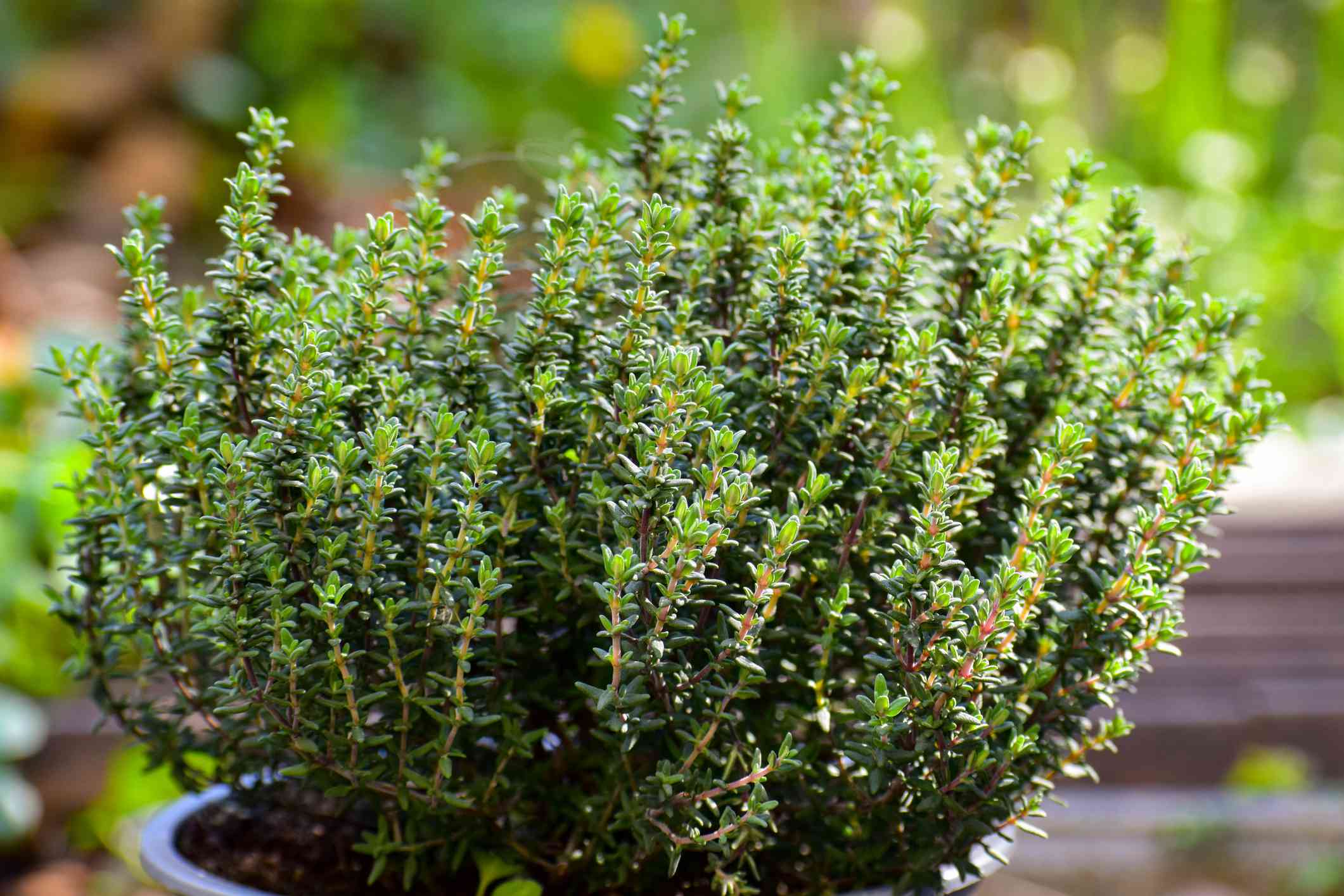
Understanding the Best Methods for Propagating Thyme
Thyme is a versatile and aromatic herb that enhances a wide range of dishes, from roasted meats to sauces and salad dressings. It's also a hardy perennial that can be easily propagated through various methods. While there are multiple ways to grow new thyme plants, some techniques are more effective than others. The most reliable methods include layering and rooting cuttings in water rather than soil.
Layering involves pinning a stem of an existing thyme plant to the ground so it can develop roots while still connected to the parent plant. This technique is particularly effective because it allows the new plant to receive nutrients and moisture from the original plant until it becomes independent. Rooting cuttings in water is another popular method, especially for those who prefer a simpler approach. This process involves placing cut stems in a jar of water until roots form, after which they can be transplanted into soil.
Why Soil Isn't the Best Choice for Stem Cuttings
According to Linda Shanahan, an herbalist and co-owner of Bluestem Botanicals, propagating thyme via stem cuttings in soil is not the most reliable method for home gardeners. She explains that using soil or vermiculite can lead to inconsistent results, making it harder for cuttings to establish themselves. Instead, she recommends using layering as a more dependable alternative.
Layering is straightforward and requires minimal equipment. Start by selecting a healthy, living thyme plant already growing in the ground. Choose a strong, flexible stem and bend it down toward the soil surface. Use a floral pin, paperclip, or small weight to keep the stem in contact with the soil. Over time, the buried portion of the stem will develop roots. Once roots have formed, the new plant can be separated from the mother plant and potted independently.
How to Successfully Root Thyme Cuttings in Water
If you prefer to root thyme cuttings in water, the key is to start with fresh, healthy stems. Store-bought thyme may not be as effective due to its age or handling. Instead, take cuttings from a living thyme plant. Select non-woody stems that are at least 4 inches long. Remove any leaves from the lower third of the stem to prevent them from rotting in the water.
Place the cuttings in a clean glass or jar filled with fresh water, ensuring that the leafless part of the stems is fully submerged. Keep the jar in a warm location, away from direct sunlight. Change the water every few days to maintain cleanliness and prevent bacterial growth. Within about a month, you should see roots forming. At this point, transplant the rooted cuttings into a standard houseplant potting mix and keep the soil consistently moist.
Timing and Care for Successful Propagation
The best time to propagate thyme via cuttings in water is during the spring or summer when the plant is actively growing. For layering, the ideal time is also during the summer months, although it can be done in the fall as well. If you're starting thyme from seeds, it’s best to begin indoors in midwinter, around eight weeks before your area's last frost date.
After planting rooted cuttings or seedlings outdoors, it's important to wait before harvesting a significant amount of the plant. Shanahan advises allowing the thyme to develop strong, leafy growth before winter to ensure it has enough energy to survive the cold season. This is especially crucial for young plants in their first year.
Additional Tips for Growing Thyme
When starting thyme from seeds indoors, use flats or takeout containers with drainage holes to save space and manage moisture effectively. Place the containers under grow lights and maintain a temperature of around 70°F for optimal growth. Pot up the seedlings two or three times before moving them outdoors to provide them with fresh nutrients and better growing conditions.
Whether you're harvesting thyme for culinary use or taking cuttings for propagation, avoid overharvesting the plant. Removing too much of the mother plant can weaken it and potentially cause it to die. Always leave enough green growth at the base so the plant can recover and continue thriving.
By following these methods and tips, you can successfully grow new thyme plants and enjoy their fragrant, flavorful presence in your kitchen and garden. With proper timing, care, and attention, thyme can become a reliable and rewarding addition to your herb collection.

Posting Komentar untuk "Need Endless Thyme? Here's How to Propagate It Safely"
Posting Komentar