
Nissan Pushes Back EV Production at Mississippi Plant – What's Next?
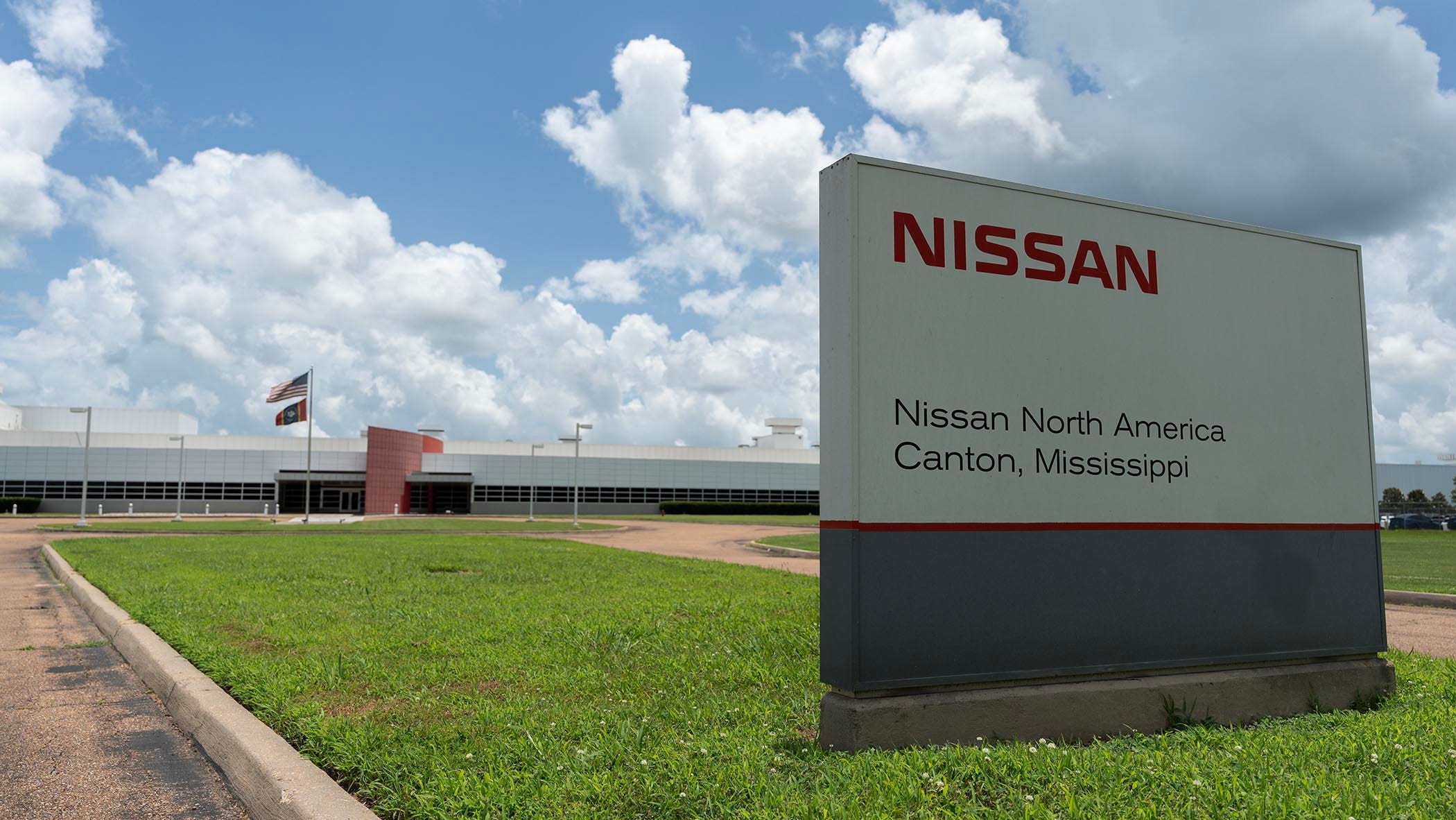
Strategic Shifts and Uncertainties at the Canton Nissan Assembly Plant
Nissan has recently made a significant announcement regarding its production plans at the Canton Assembly Plant in Mississippi. Despite the positive developments expected at the facility, including the potential for new electric vehicle (EV) production, there is a notable delay that has raised concerns among industry observers.
According to multiple industry sources, Nissan is postponing the 2028 launch of two electric SUV models at the Canton plant. This decision was confirmed by Nissan North America to the Clarion Ledger on August 5. Amanda Plecas, a representative from Nissan, explained that the company is making a strategic adjustment to ensure that the facility continues to deliver competitive vehicles that meet customer expectations.
This shift marks a departure from previous commitments. In 2022, Nissan announced a $500 million investment to transform the Canton plant into an EV production site, with plans to start manufacturing in 2025. The initiative aimed to preserve and upskill approximately 2,000 jobs at the facility near Jackson.
However, recent reports indicate that the production timeline for these EVs will be delayed by 10 months. While the specific models affected have not been disclosed, the impact on both the Nissan and Infiniti brands is clear. Industry sources suggest that the delay could be attributed to several factors, including changes in market conditions and regulatory environments.
Impact of Policy Changes on EV Sales
The current landscape for electric vehicle sales is influenced by various policy changes. For instance, the clean vehicle tax credits, which were part of a major legislative effort, are set to expire. Additionally, a lucrative loophole on leasing EVs will end on September 30. These changes may affect consumer behavior and long-term production strategies.
Nissan’s financial performance has also contributed to the uncertainty. The company reported a $4.5 billion loss in the first quarter and has announced plans to lay off 20,000 workers. This financial pressure underscores the need for strategic adjustments in production timelines and resource allocation.
Future Plans and Collaborations
Despite the delays, the Canton Assembly Plant remains a key player in Nissan's future strategy. It is not among the seven plants that will be closed globally. Instead, the facility may see increased activity in the coming years as Nissan explores new opportunities.
Mitsubishi Motors has expressed interest in joint-production opportunities with Nissan in the United States. Takao Kato, president of Mitsubishi Motor, emphasized the importance of increasing production in the U.S. to maintain sales in the region. While no concrete details have been released, the potential collaboration could involve using existing Nissan plants.
Plecas mentioned that Nissan and Mitsubishi are considering discussions on producing and selling next-generation SUVs under both brands. This initiative aims to improve plant utilization and expand model lineups for both companies. However, specific details about the vehicles or the impact on individual facilities remain undisclosed.
Battery Production and Partnerships
Nissan has also made progress in securing battery production for its EVs. The company has reached an agreement with SK On, a South Korean firm, to supply batteries for the EVs produced at the Canton plant. However, with the delay in EV production, the location of these batteries remains uncertain.
Interestingly, the batteries will be manufactured in Kentucky, where Ford Motor is scaling back its EV ambitions. This allows Nissan to utilize part of Ford’s Kentucky battery plant. The shared facility in Glendale, Kentucky, is expected to produce batteries for both Ford and Nissan, providing a lifeline for Nissan amid its financial challenges.
Ensuring Stability at the Canton Plant
Despite the uncertainties, the Canton plant appears to be relatively safe for now. Nissan’s recent cost-cutting measures, which include eliminating 11,000 more jobs and closing seven production plants, did not target the Canton facility. The plant’s stability is further supported by potential shifts in production strategies.
For example, Nissan is considering changing course on its Sentra production in Mexico, potentially using the Mississippi plant to manufacture the sedan. This move could align with broader strategies to leverage tariffs and other trade policies.
Additionally, reports suggest that Nissan may close two of its car assembly plants in Japan as part of a restructuring plan to cut costs and improve profitability. These developments highlight the ongoing challenges and adaptations within the automotive industry.
Conclusion
The Canton Nissan Assembly Plant remains a focal point for Nissan’s future plans, despite the recent delays in EV production. As the company navigates financial pressures and strategic shifts, the plant’s role in the broader automotive landscape continues to evolve. Collaborations with partners like Mitsubishi and access to critical resources such as battery production underscore the resilience and adaptability required in today’s dynamic market.

Posting Komentar untuk "Nissan Pushes Back EV Production at Mississippi Plant – What's Next?"
Posting Komentar