
No New Prisons: Feds to Use 1,000 Empty Beds for Detainees
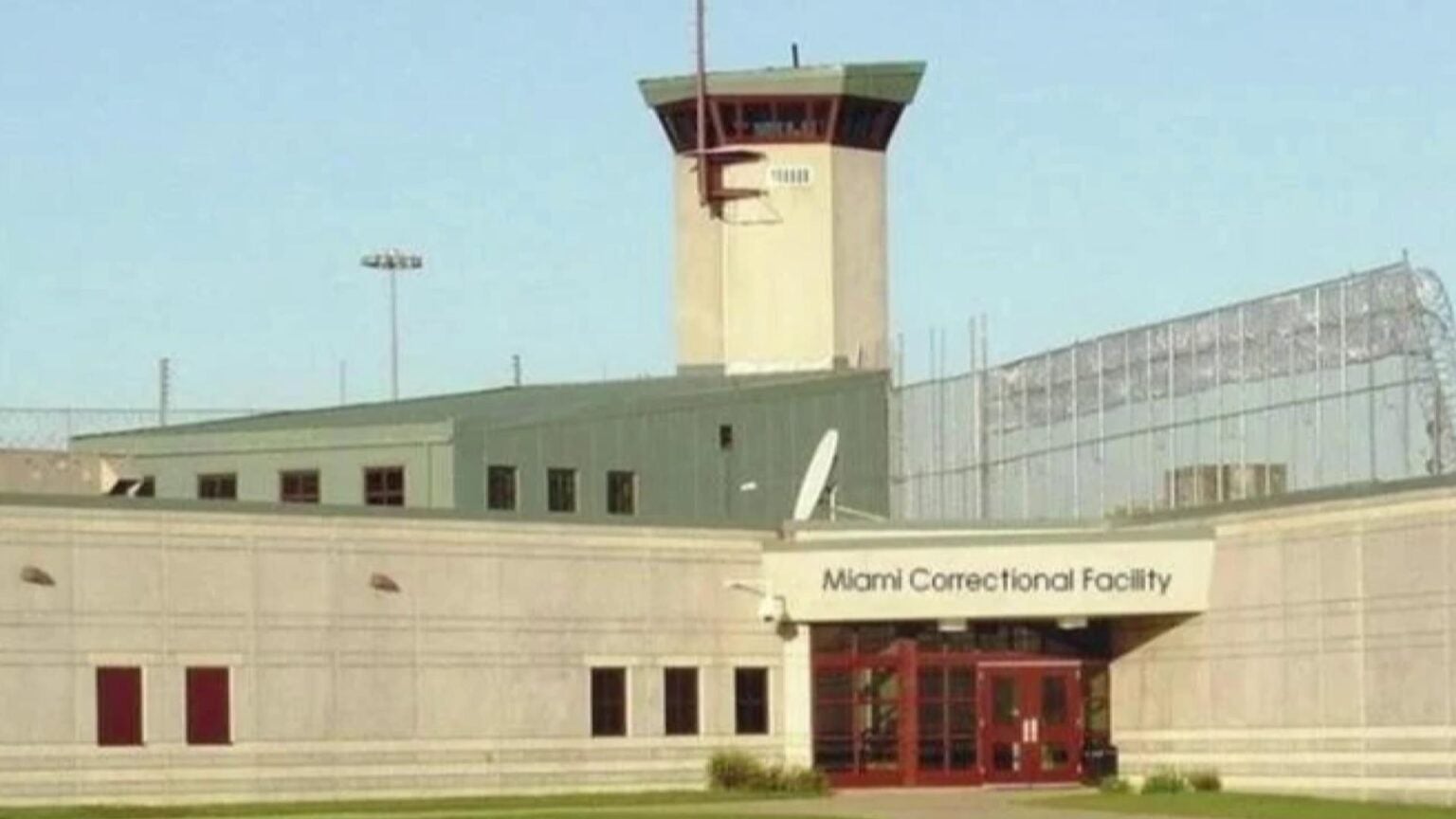
The Controversy Surrounding the "Speedway Slammer" in Indiana
A recent development in Indiana has sparked widespread confusion and debate over a plan to house up to 1,000 immigrants in the state. The controversy is centered around a project that has been dubbed the "Speedway Slammer," which has led to public concern and media speculation.
Many people online believe that new construction will add 1,000 beds for immigration detention. This perception may stem from misleading federal messaging. For instance, U.S. Homeland Security Secretary Kristi Noem recently posted on social media: “COMING SOON to Indiana: The Speedway Slammer.” She stated that the federal government is partnering with Indiana to expand detention bed space by 1,000 beds, thanking Governor Mike Braun for his collaboration.
However, the Indiana Department of Correction clarified that there will be no expansion of the existing Miami Correctional Facility in Bunker Hill. Instead, the facility is making 1,000 previously unused beds available to the federal government. The Miami Correctional Facility has a total capacity of over 3,100 beds, with approximately 1,200 currently unoccupied. Details about the partnership are still being finalized.
Reactions from INDYCAR and Indianapolis Motor Speedway
INDYCAR and the Indianapolis Motor Speedway have expressed concerns over the use of the term "Speedway Slammer." The name evokes the state's famous racing events, and the U.S. Department of Homeland Security even posted an altered photo of a race car with a prison in the background.
In a corporate statement, the organizations said they were unaware of plans to incorporate their imagery into the announcement. They emphasized their stance on public policy and political issues, stating that they prefer not to have their intellectual property used in this context moving forward.
Cost and Operational Concerns
Cost estimates for hosting federal detainees remain unclear as the federal government plans a "nationwide" approach. Kevin Orme, who directs the Indiana Department of Correction's Construction Services Division, mentioned that the empty beds are "ready for occupancy." He explained that the agency is heating and cooling the structures regardless of occupancy, but must maintain temperature and humidity levels to avoid structural issues.
Orme directed questions about costs to the agency’s commissioner, Lloyd Arnold. Governor Mike Braun acknowledged the cost issue as valid but did not provide specific figures. He emphasized that any services provided to the federal government should be compensated.
Future Plans and Expansion
Tricia McLaughlin, Noem’s deputy, mentioned that the "Speedway Slammer" is expected to be operational quickly, drawing a comparison to the previous "Alligator Alcatraz" initiative. She indicated that the federal agency aims to replicate its deal with Indiana nationwide, calling it a "cost-effective" way to increase detention capacity and expedite deportations.
It is important to note that the partnership involving the Miami Correctional Facility is separate from the construction of a new prison in LaPorte County. A 4,200-bed facility is under construction at a cost of $1.2 billion, with an expected completion date in 2027.
Ongoing Uncertainties and Public Response
As the situation unfolds, the public remains divided. While some support the idea of using existing facilities to manage immigration detention, others raise concerns about the potential impact on local communities and the ethical implications of such measures. The use of the term "Speedway Slammer" has further fueled the debate, with critics arguing that it trivializes both the immigration issue and the significance of Indiana's racing heritage.
The state continues to navigate these challenges, balancing federal mandates with local interests and public sentiment. As more details emerge, the focus will likely shift to how the program is implemented, its long-term effects, and the broader implications for immigration policy across the country.

Posting Komentar untuk "No New Prisons: Feds to Use 1,000 Empty Beds for Detainees"
Posting Komentar