
Ohio Governor's Office: CSU Students Lose RTA Passes Over 'Ridiculous' Law Interpretation
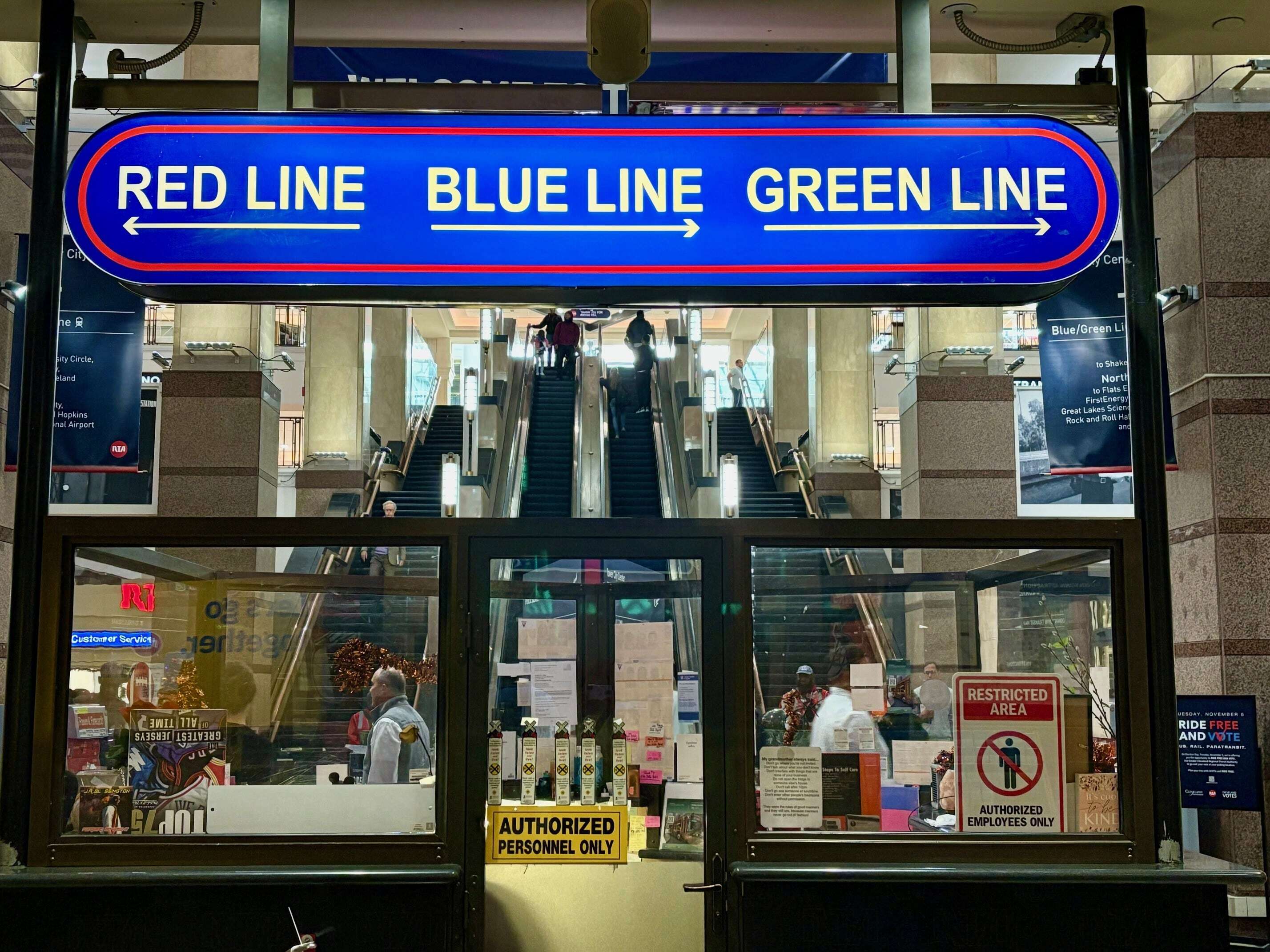
Ohio Governor’s Office Criticizes Cleveland State University’s Decision to Discontinue U-Pass Program
Cleveland State University’s (CSU) decision to stop offering the U-Pass program, which allows students to ride public transportation for free, has sparked controversy. The move, which affects students in the Greater Cleveland area, has been labeled a “ridiculous reading” of the law by Gov. Mike DeWine’s press secretary.
The U-Pass program, which cost students $57.50 per semester, was discontinued by CSU as part of a new state budget law signed by DeWine earlier this year. The law includes a provision stating that “special purpose fees and service charges shall be for services or benefits furnished to individual students or specific categories of students and shall not be applied uniformly to all enrolled students.” This language is at the center of the debate.
According to CSU, the decision to end the U-Pass was based on this provision. However, the governor’s office argues that the university’s interpretation of the law is incorrect. Dan Tierney, DeWine’s press secretary, said the provision was “fairly standard language” meant to ensure that fees benefit all students, not just a select group.
Without the U-Pass, students will now have to pay $95 per month to use the Rapid and local buses. The fee will no longer be charged for the fall semester. CSU has since entered into discussions with local transit officials to find an alternative solution that offers discounted fares for students.
Tierney emphasized that the issue is not about whether students use the U-Pass or not. He compared it to meal plans, where students may not use every meal but the plan still exists. “A student doesn’t eat every meal on their meal plan. That doesn’t mean that the university cannot offer a meal plan anymore,” he said.
Other Institutions Continue to Participate in U-Pass Program
CSU is the only institution in the region to discontinue the U-Pass program. Cuyahoga Community College, Case Western Reserve University, the Cleveland Institute of Music, and the Cleveland Institute of Art continue to offer the program.
The Greater Cleveland Regional Transit Authority (RTA) has also expressed interest in working with CSU to find a new arrangement. Robert Fleig, an RTA spokesman, stated that the U-Pass program is not an opt-in program and that eligibility is determined by participating educational institutions.
“While our discussions are ongoing, a new agreement has not been finalized,” Fleig said.
Despite the governor’s comments, there has been no direct pressure from the RTA to bring CSU back into the program. When asked why the RTA couldn’t push CSU to return, the organization did not provide a response by late afternoon.
Legal Implications and Ongoing Discussions
The legal debate over the U-Pass stems from the budget bill signed by DeWine in June. A review of the budget’s development shows that the provision in question originated from the governor’s office. Tierney defended the language, saying it was intended to prevent universities from charging all students for services that only a portion of them use.
CSU claims that fewer than half of its students actually used the U-Pass, which led to the decision to discontinue it. However, Tierney argued that this does not justify ending the program. He maintained that the law allows for such programs as long as they are available to all students.
As the situation continues to unfold, both CSU and the RTA are working to find a solution that meets the needs of students while complying with state law. The outcome of these discussions could set a precedent for other institutions facing similar challenges.

Posting Komentar untuk "Ohio Governor's Office: CSU Students Lose RTA Passes Over 'Ridiculous' Law Interpretation"
Posting Komentar