
Opinion: New Strategy to Curb Russian Energy and Safeguard U.S. Trade
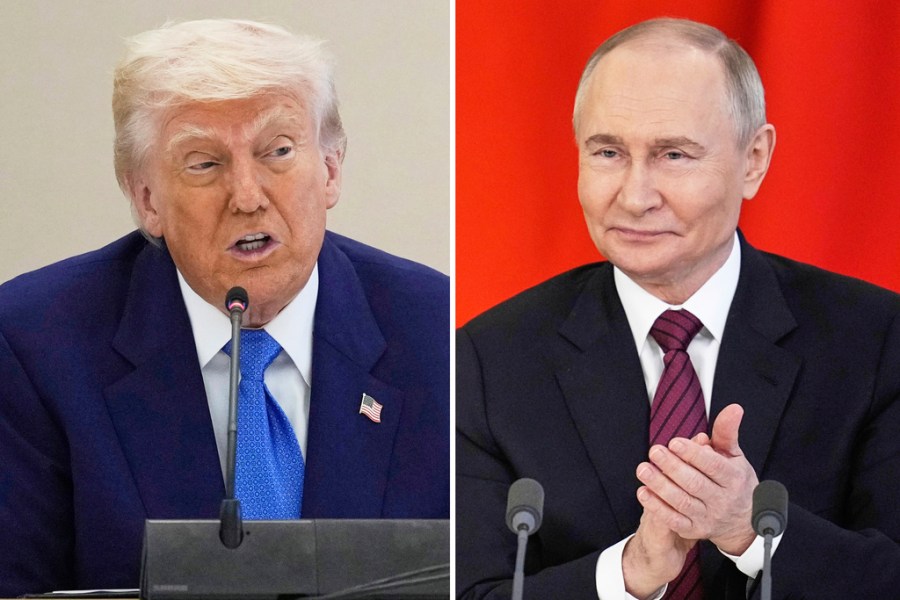
President Trump’s Escalating Tensions with Russia
President Trump has shown increasing frustration with Russian President Vladimir Putin, particularly over the past two months. He has been threatening the Kremlin with what he refers to as “secondary” sanctions. These would involve imposing high duties on imports from countries that continue to purchase Russian energy resources. Despite these warnings, Russia appears largely unfazed by Trump’s threats, as well as by recent remarks from Senator Lindsey Graham (R-S.C.).
Several authoritative sources argue that the U.S. cannot afford to impose even 100 percent duties on major trading partners like China, India, or Turkey. If all of Russia’s energy trading partners were subjected to new tariffs, it could significantly disrupt U.S. foreign trade and damage relationships with at least 26 countries. This raises serious questions about the feasibility of such a strategy.
I believe that the new tariffs proposed by Trump are unlikely to be implemented by the updated deadline for Russia. We have seen previous examples, such as the 125 percent duties on China, which lasted less than a month. Recently, Trump announced 50 percent tariffs against Brazil, 25 percent against India, and 15 percent on the European Union. A 100 percent duty seems unrealistic. I would suggest rethinking the overall approach to make the tariffs more practical and sustainable.
The Goal: Reducing Russia’s Energy Supply
The apparent goal of Trump’s plan is to reduce Russia’s energy supply to the global market. By making Russian oil more expensive for buyers, the U.S. aims to limit its influence. However, this approach has faced challenges. For instance, the European “oil price cap” initiative failed, leading to discounts for Russian oil and encouraging smuggling. This has resulted in the creation of a “shadow tanker fleet” that continues to move Russian oil despite the restrictions.
Trump’s position may seem more effective in this regard, but the core issue lies in the scale of the proposed measures. The previous strategy, proposed by Senators Graham and Richard Blumenthal (D-Conn.), called for applying duties to all imports coming into the U.S. from Russia’s energy trading partners. While this approach is aggressive, it lacks differentiation and could be too extreme. A more balanced strategy would focus on the actual amount of money countries pay to Moscow for energy resources.
Targeting Specific Imports
For example, in 2024, India sent $115 billion in goods and services to the U.S. and paid $49 billion for Russian oil. China exported $513 billion in goods to the U.S. while purchasing Russian oil, gas, and coal worth up to $76 billion. The EU’s figures were $939 billion in exports and $34 billion in purchases of Russian energy resources.
If the U.S. applies 100 percent tariffs linked to the Russian energy resources imported, it would result in additional duties for India at 42.6 percent of its exports to the U.S., China at 14.8 percent, and Europe at 3.6 percent. These figures are manageable and still double the price of Russian oil for importing nations.
A Strategic Approach
If this strategy is adopted, the total additional duties would equal the entire volume of Russia’s energy exports, $261.9 billion for 2024. Considering that the U.S. combined imports of goods and services amounted to $4.11 trillion, this figure represents less than 6.5 percent in additional tariffs. This seems like a fair price for undermining Russia’s status as an “energy superpower.”
This measure would also render Russia’s “shadow fleet” ineffective, as it would double the price of Russian energy for any country except those with zero exports to the U.S. Such countries, if they exist, are not significant oil importers that could help Moscow substitute the declining demand for its oil and gas.
A Proposed Amendment
I suggest amending the Graham and Blumenthal bill to impose duties on goods or services imported into the U.S. based on each country’s previous year’s imports of Russian energy resources. This approach would effectively target Russia’s energy exports over the next two to three years, putting Putin’s economy on the brink of collapse without damaging America’s trade relationships with its key commercial partners.
If Trump adopts this plan on August 11, the chances of stopping Russia’s aggression against Ukraine could rise significantly.

Posting Komentar untuk "Opinion: New Strategy to Curb Russian Energy and Safeguard U.S. Trade"
Posting Komentar